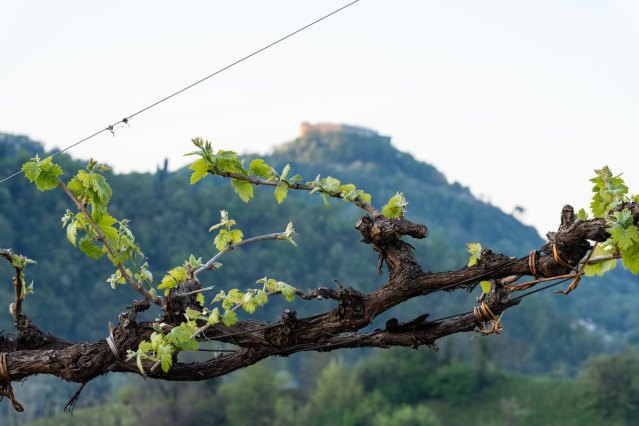
Once upon a time there was Asolo, a walled medieval city in northeastern Italy in the province of Treviso less than 60 miles (100 km) from Venice. Its beauty attracted the Queen of Cyprus Caterina Cornaro in the 1400s and this hillside rich landscape was a magnet for writers like Robert Browning and Ernest Hemingway, drawn to the peaceful setting of Asolo and the area around it and Montello another tiny medieval town nearby. And once upon a time there is still Asolo and Montello and here in this precious landscape a world renowned wine emerges, the Asolo Prosecco DOCG, the smallest designation within the world of Prosecco, made entirely from vineyards located on the local hillsides. DOCG means Denominazione di Origine Controllata e Garantita, the label that guarantees the geographical origin and quality of an Italian wine. The Asolo Consortium was created in 1985 and brings together 64 family-owned wineries. The vineyards are almost hidden on the hilly landscape of the region which has a marvelous wild forest.
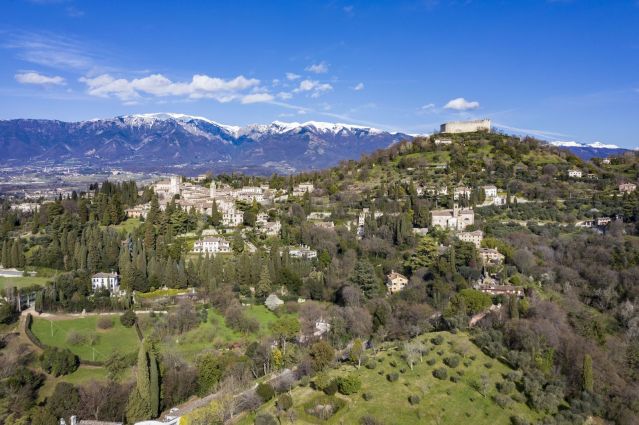
Nature, culture and savoir-faire all join forces to create the distinctive Prosecco sparkling wines of the region. Prosecco wine making here is entirely hillside-based, largely manual and covers about 6% of the total area for the denomination. These are purely delightful Proseccos the result of the growers whose centuries of expertise have enabled them to turn these steep hillsides with a mosaic of soils into a full range of Asolo Prosecco sparklings: extra dry, brut, extra brut and dry.
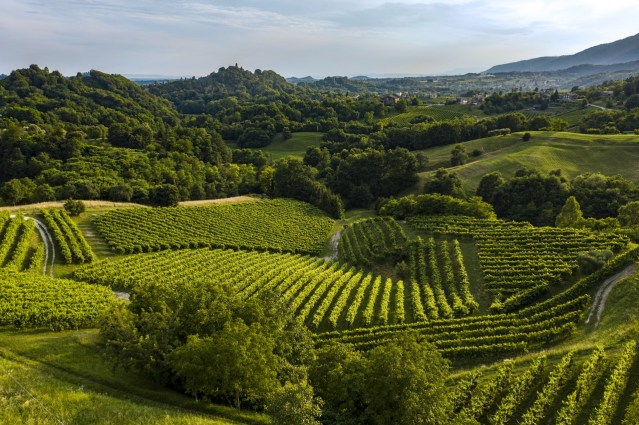
They get a little extra help from the soil as the Asolo area features limestone pebbled with pebbles. Montello on the other hand enjoys clay-like soils giving its wines complexity and minerality. It is also what gives the Asolo Prosecco Superiore DOCG its originality. It was here that the Extra Brut style was introduced for the first time for a sparkling wine. And bonus: the proximity of the Adriatic Sea protects the land from the cold winds of the Dolomites proffering a temperate climate for the vine plants to thrive in.
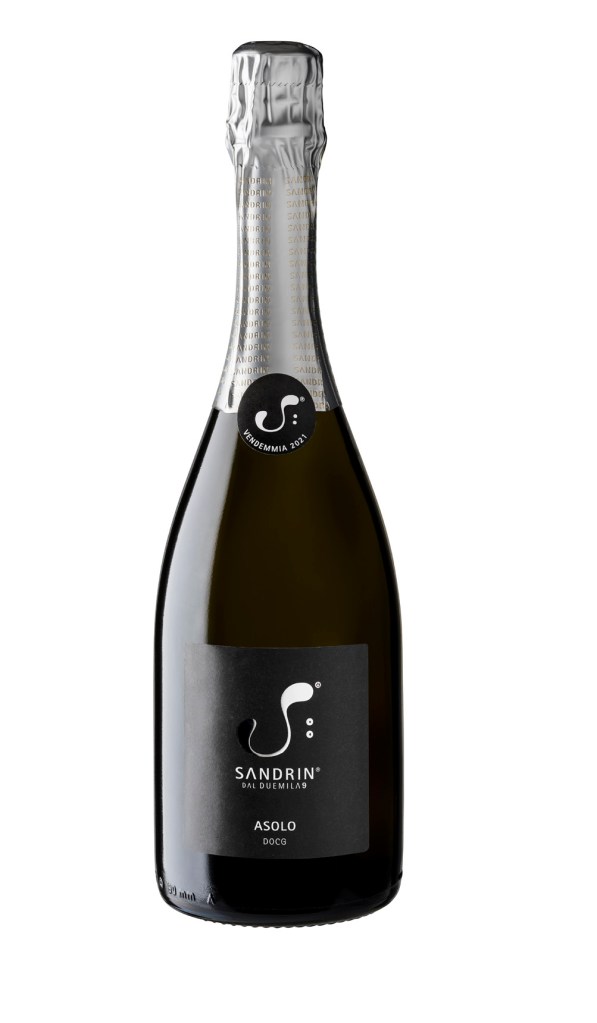
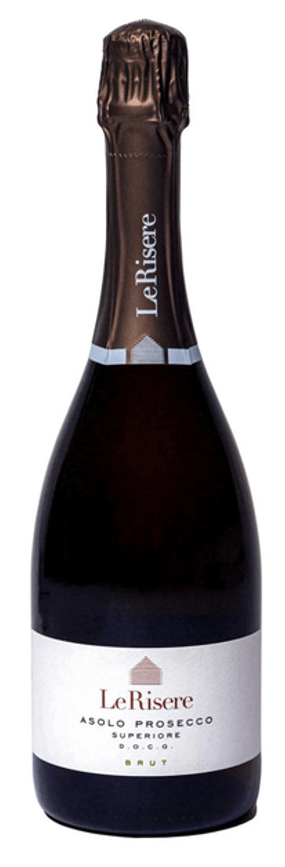
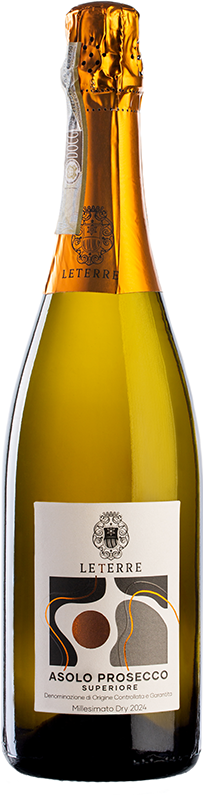
A selection of Asolo Proseccos DOCG. Photos courtesy Asolo Prosecco. Handout via The Gourmet Gazette
But the grape varieties, too, are key. The primary grape is what is now called Glera (originally it was called Prosecco). The Asolo Prosecco Superiore DOCG sparkling wines also take advantage of four native varieties that have been maintained by the wine growers over the years: Glera Lunga, Verdiso, Perera, and Bianchetta all imparting their own stamp on these wines. Patience proved to be beneficial to the local growers who resisted the temptation to uproot these lower-yielding grapes. Glera Lunga is ancient and has only recently been recognized as a distinct variety. Verdiso, known for high acidity, historically was used to balance warmer vintages while Bianchetta provided support in cooler years. Perera contributes pear notes and acidity.

An Asolo Prosecco Col Fondo produced according to the sui lieviti traditional method which is used for 1% of the Consortium’s Proseccos. It is not disgorged and undergoes a second fermentation on the lees much like for champagne. A selection of Asolo Proseccos DOCG. Photo courtesy Asolo Prosecco. Handout via The Gourmet Gazette
The Gourmet Gazette had the privilege of tasting these sparkling wines, that seemingly merge from bountiful nature, in Paris recently. Smooth and dry, with mellow fruit flavours plunging forth on the palate, light and zesty. There is also a wild note of forest herbs towards the end note, no doubt due to the surrounding biodiversity-filled forest. Part of the Asolo-Montello area is included in the Monte Grappa Biosphere Reserve, recognized by UNESCO. Of particular interest is the sui lieviti traditional method which is used for 1% of the Consortium’s Proseccos. It is not disgorged and undergoes a second fermentation on the lees much like for champagne. While they open up to various food pairings, we still enjoy Proseccos as an aperitif with olives, black, green and violet and mild cheeses, like Fontina, Italian fontina, please. And we like to know that it comes from the region of Asolo, recognized as one of the most beautiful villages in Italy, with a strong medieval identity. The Rocca, built between the 12th and 13th centuries, is the symbol of the Asolo Prosecco DOCG logo. https://www.asoloprosecco.com/home
©Trish Valicenti for The Gourmet Gazette

Discover more from The Gourmet Gazette
Subscribe to get the latest posts sent to your email.
Categories: Gourmet Fare

