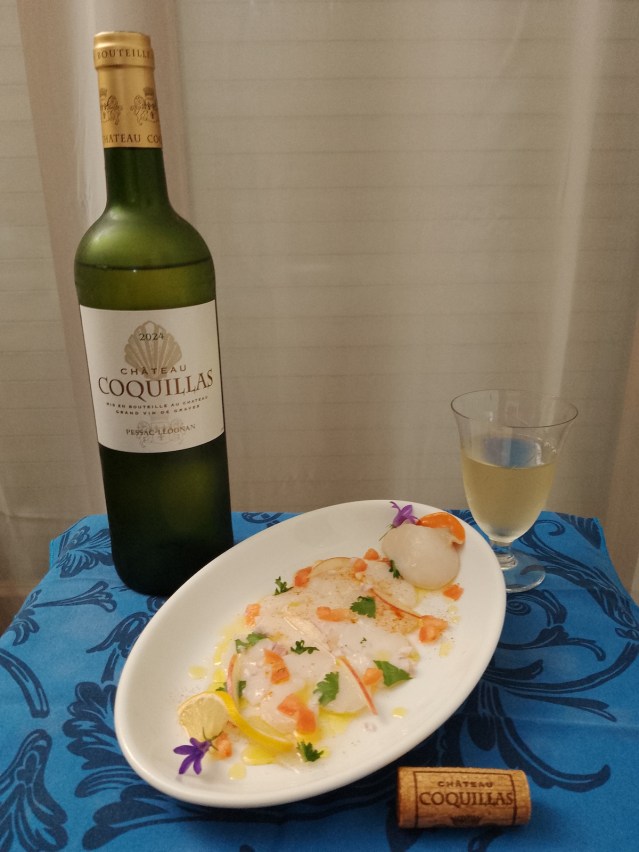
Paris, France — At The Gourmet Gazette we recently feasted on a carpaccio of coquilles Saint-Jacques (King scallops with the coral on) infused with lemon, olive oil, coriander, apple and mild red Espelette pepper from the French Basque country. But that was not all. The dish of many savors, from our test kitchen, was designed to pair perfectly with one of our favourite white wines: Chateau Coquillas 2024, an AOP Pessac-Léognan from the Château de France estate in Bordeaux country. It’s one of those perfecty dry whites yet buttery at the same time. The white wines of 2024 were « very nice » explained estate-owner Arnaud Thomassin. Its color was pale, its blend of predominant Sauvignon (80%) and Semillon (20%) grape varieties, a winning combination. But there’s more.
Château de France hosted a tasting of its splended wines followed by a food and wine pairing lunch at the Bonhomme bistro in one of the great authentic Parisian neighorhoods near the Folies Bergère and on the edge of Montmartre. It all began with the aforesaid Chateau Coquillas 2024 white followed by a superb Château de France white 2024 AOP Pessac-Léognan with the same proportion of grape varieties that were grown in a deep gravelly soil. Keep this one in mind for some well-aged goat cheese. The wine was promisingly pale, indicating that it can be kept for a while in the cellar. Next up was the COQ’ORICO By Coquillas 2022 AOP Pessac-Léognan from Château de France, the color of purple, a heady, fun and fruity wine made for convivial gatherings, a case in point being a barbecue, for instance. It’s made to be enjoyed in its younger days and should only be kept for three to five years.
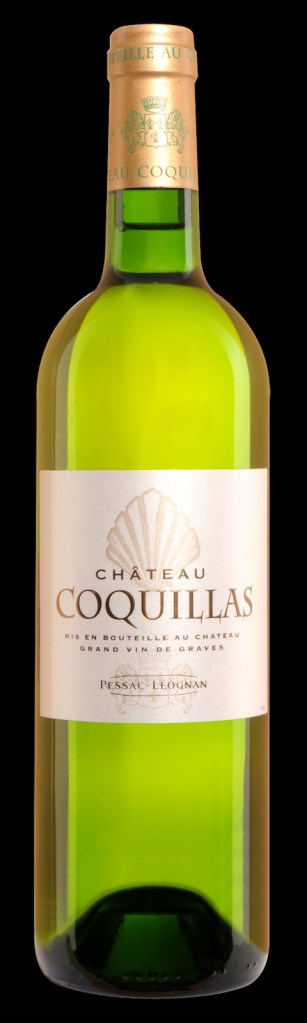
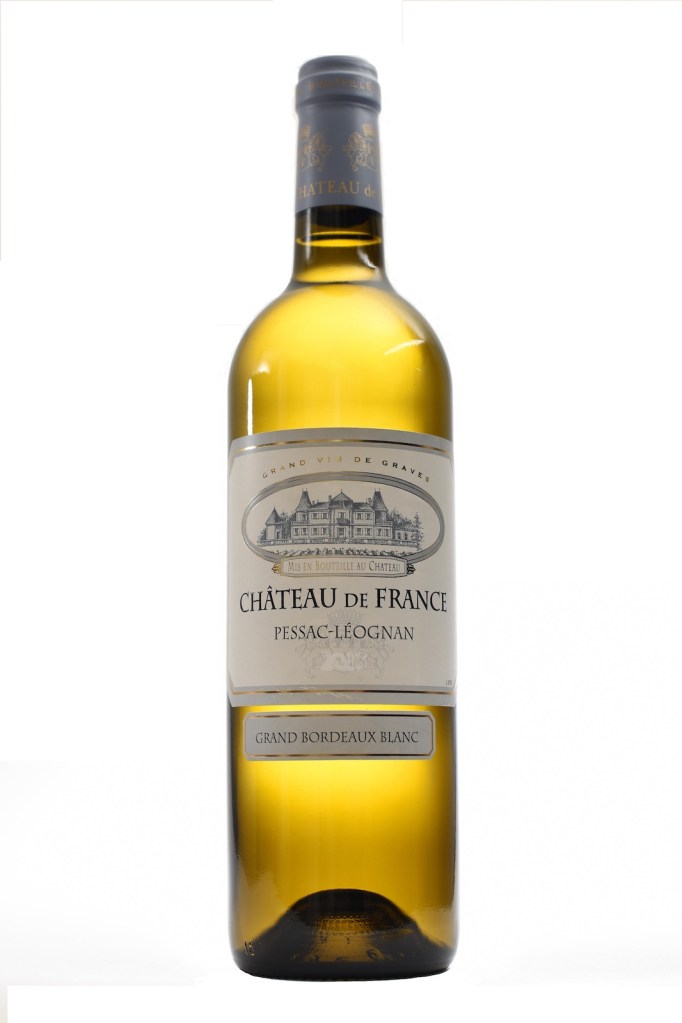
The white wines of Château de France AOP Pessac-Léognan. AOP, the acronym for Protected Designation of Origin, is the European version for AOC, the French acronym for Controlled Designation of Origin. Photos Courtesy Château de France. Handout via The Gourmet Gazette
A Chateau Coquillas red 2022 AOP Pessac-Léognan brought together Cabernet Sauvignon (35%) and 65% Merlot. Château de France has brought this out in a magnum version as well (everything tastes better from a magnum) and its deep Bordeaux color was an early indication of its tasteful taste. The year 2022 was a very good year in the region, explained Mr. Thomassin so we moved onto a Château de France red 2022 AOP Pessac-Léognan with its enormous bouquet and decided it was a must buy.
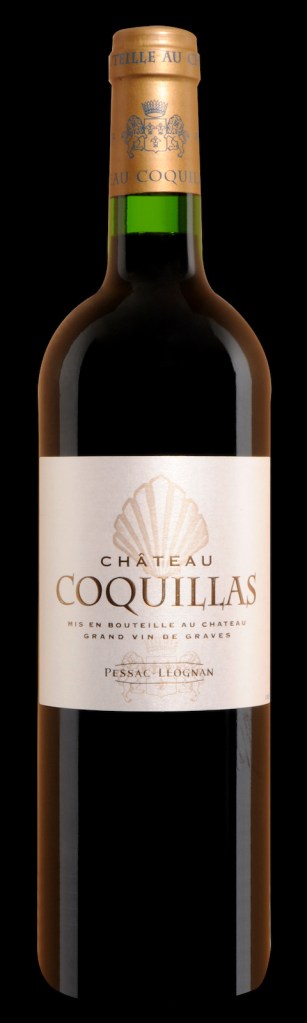
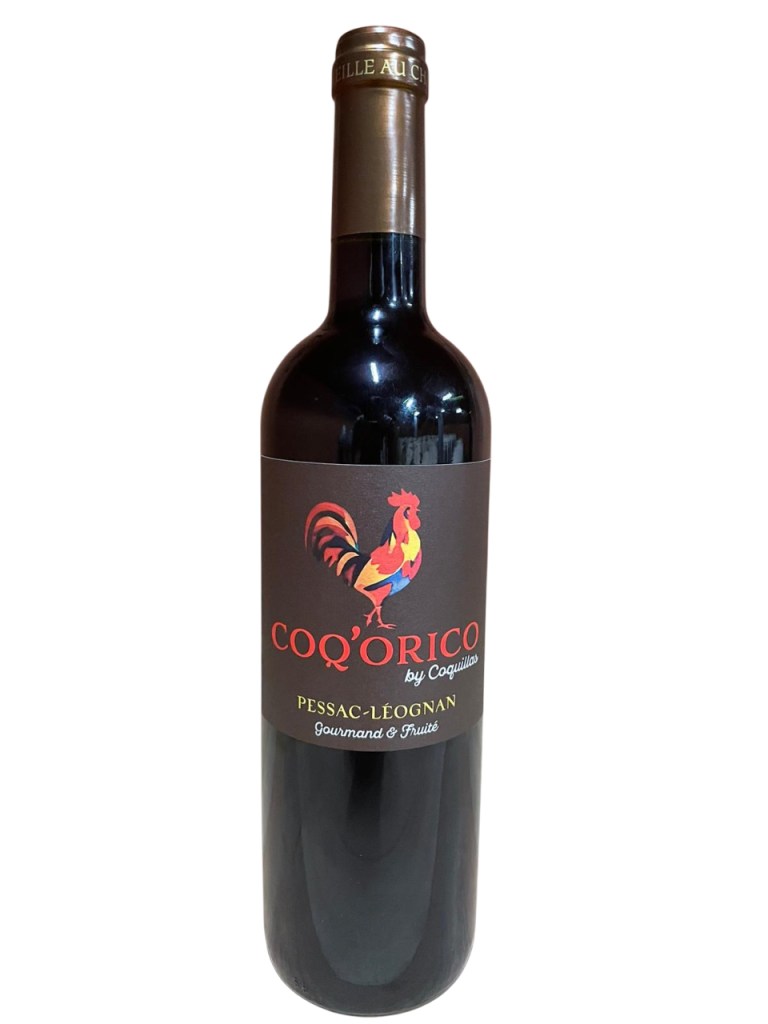
Red wines of Château de France AOP Pessac-Léognan. AOP, the acronym for Protected Designation of Origin, is the European version for AOC, the French acronym for Controlled Designation of Origin. Photos Courtesy Château de France. Handout via The Gourmet Gazette
The pairings turned out to be perfect. the Bonhomme bistro sources all of its products directly from local and regional producers around France so the Château de France white 2022 AOP Pessac-Léognan went well with octopus with radishes, Jerusalem artichokes and piquillo peppers for some punch. We were then treated to a rare Château de France red 2016 AOP Pessac-Léognan a blend of Cabernet Sauvignon (54%) and Merlot (46%), which was served with local chicken from the rural Gâtinais country in the greater Paris region with carrot purée. But the real surprise came with a Château de France red 2020 AOP Pessac-Léognan that worked very well with a butterscotch chocolate mousse. A warm vintage in which the round finesse of Merlot dominated (62%) over the Cabernet Sauvignon (38%).
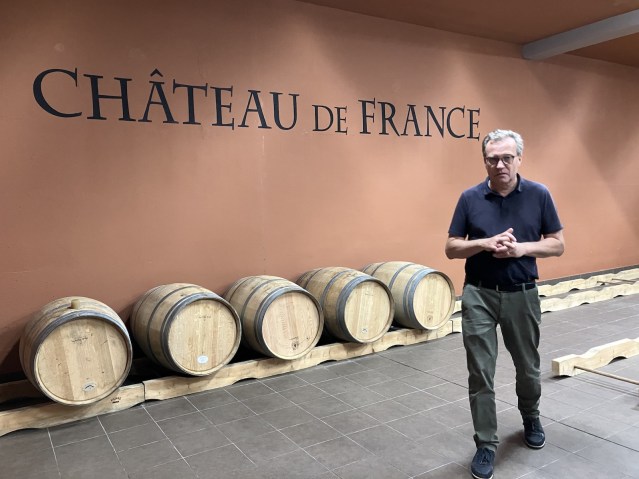
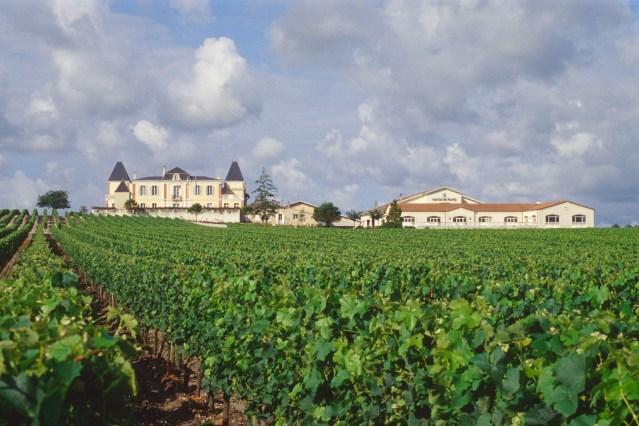
The Château de France has been owned by the Thomassin family since 1971 and the family is one of the oldest estate owners in the Pessac-Léognan appellation, a relatively recent appellation dating from 1987. The vineyards are articulated around the late 18th century Château de France castle which was built upon the foundation of an old manor house whose vaulted cellar remains in place today. The estate received the French label for its sound approach to the environment in 2018 and beehives were installed in the vineyard in 2019. The environmental practices of the estate include reducing energy consumption, methods for treating parasites and the protection of the health and well-being of its employees and neighbors. In recognition for its sound environmental practices the estate was designated one of the Wines of Tomorrow (Vins de Demain) in 2022 by the Fondation du Vin. « We support biodiversity by engaging in practices that preserve and use the natural zones in the heart of our parcels and around our property and so respect the eco-system and beauty of the countryside, » explains estate-owner Arnaud Thomassin who is the second generation of the family to manage the estate.
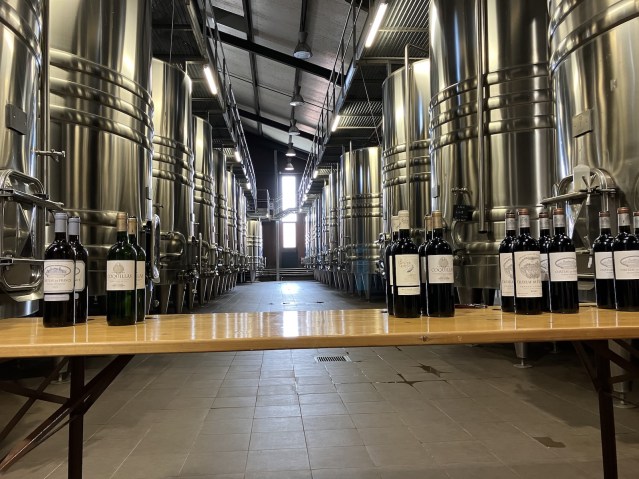
The family-owned estate which is about nine miles from Bordeaux, has some 100 acres (40 hectares) in the AOC Pessac-Léognan growing region including some 90 acres (36 hectares) of the Cabernet Sauvignon and Merlot grape varieties for the reds and nearly 10 acres (4 hectares) of Sauvignon and Sémillon for the whites. The house’s red and white wines are both recognized and highly regarded in France and abroad. The house is a member of the Union of the Grands Crus of Bordeaux and the scenic estate is open to visits by reservation. ©Trish Valicenti for The Gourmet Gazette. 98 Avenue de Mont de Marsan, 33850 Léognan, France, Tel: + 33 (0)5 56 64 75 39. https://chateau-de-france.com/
Discover more from The Gourmet Gazette
Subscribe to get the latest posts sent to your email.
Categories: Gourmet Fare
 The Gourmet Gazette