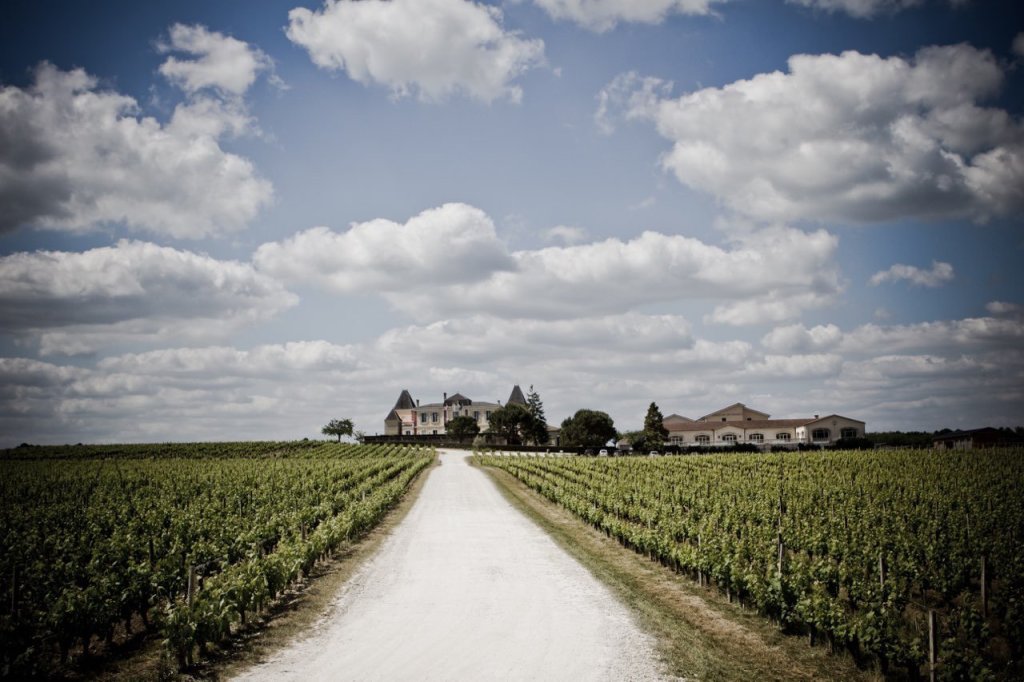
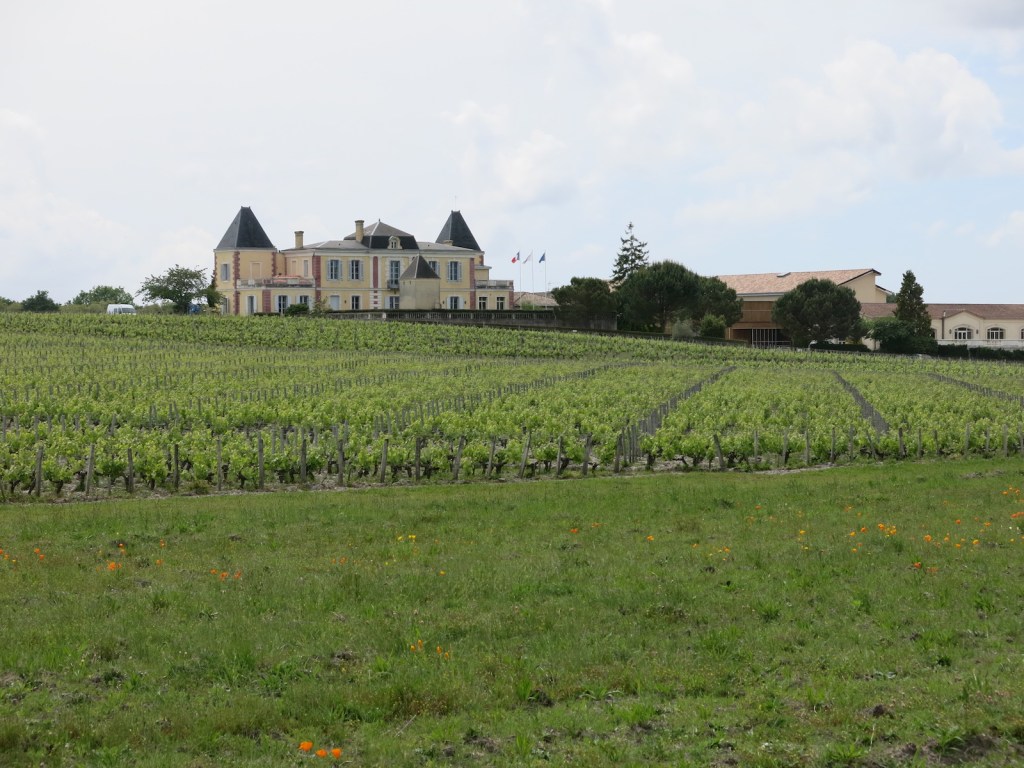
The vineyards of Château de France are articulated around the late 18th century Château de France castle. Photo Courtesy Château de France. Handout via The Gourmet Gazette
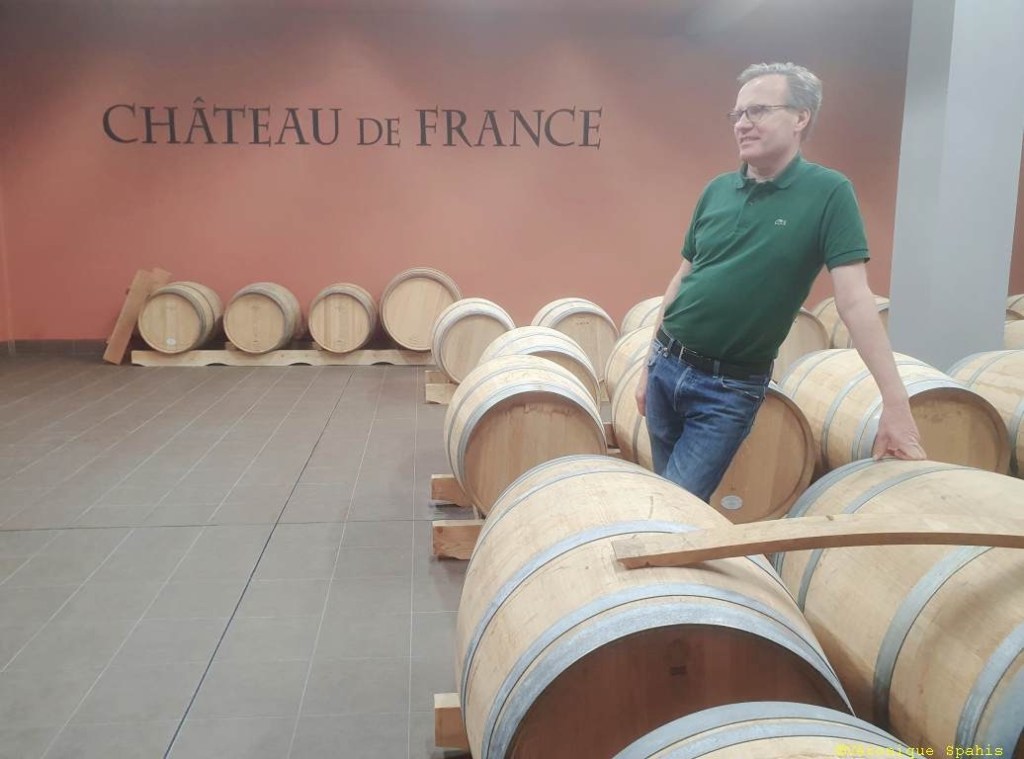
Paris, France —Pessac-Léognan has come to Paris once again and not any Pessac-Léognan, one of our favorites Château de France with its rich family-owned traditions, a family that has owned Château de France, a Pessac-Léognan Graves in the region of Bordeaux for over 50 years now. Arnaud Thomassin, the second generation of the family, is currently at the helm of the house bolstered by his sisters Véronique and Virginie.
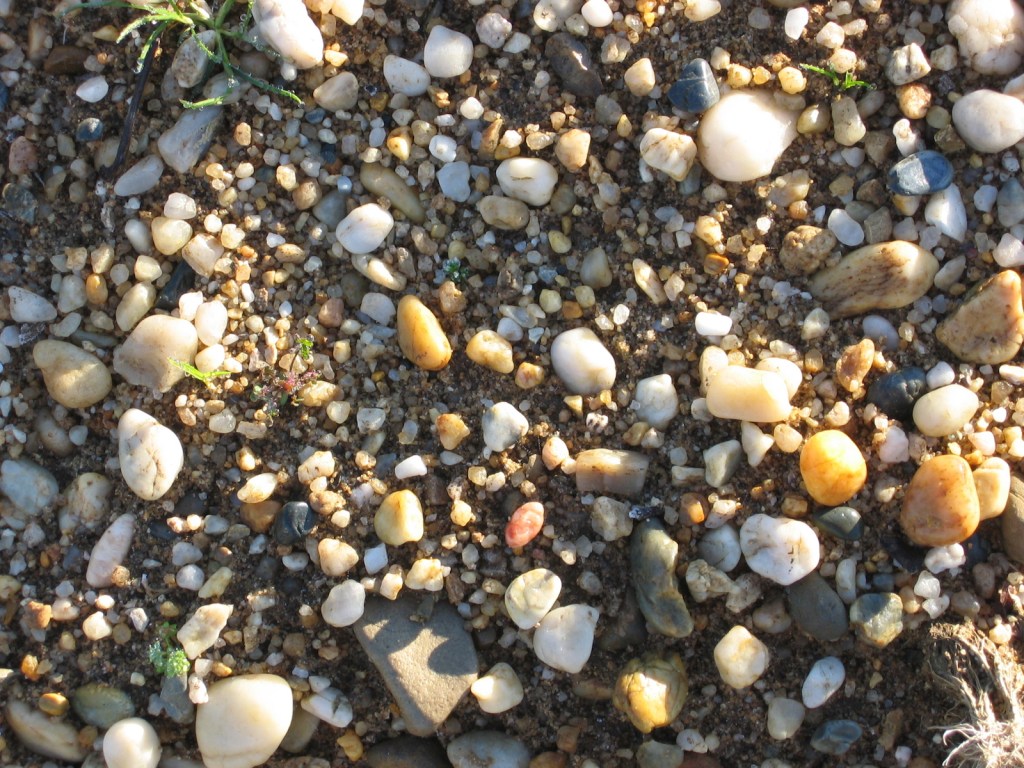
The vineyards of Pessac-Léognan, which earned the highly sought after AOC, the French acronym for Controlled Designation of Origin in 1987, are located in the northern region of the Graves wine producing region of Bordeaux. The forest of the Landes offers the vineyards shelter from the west while the climate here is gentle, regulated by the nearby Atlantic Ocean. These are parcels of the good earth that are shrouded in a pre-historic history. The Château de France estate is located on the Grave region’s typical and rare Ferbos soil and possesses vineyards located in the lieu known as le Coquillat whose root means sea shells for the land is riddled with 19-million-year-old fossils from the ground up to the vine plant creating a remarkable earth over the millennia that expresses itself in the red and white wines the house produces here.
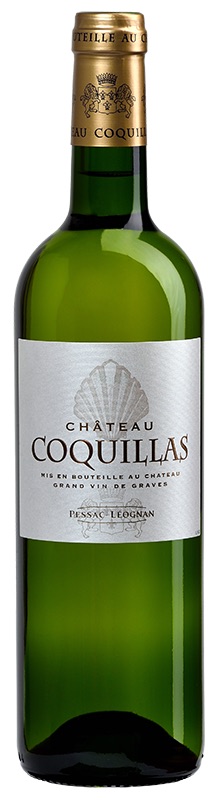
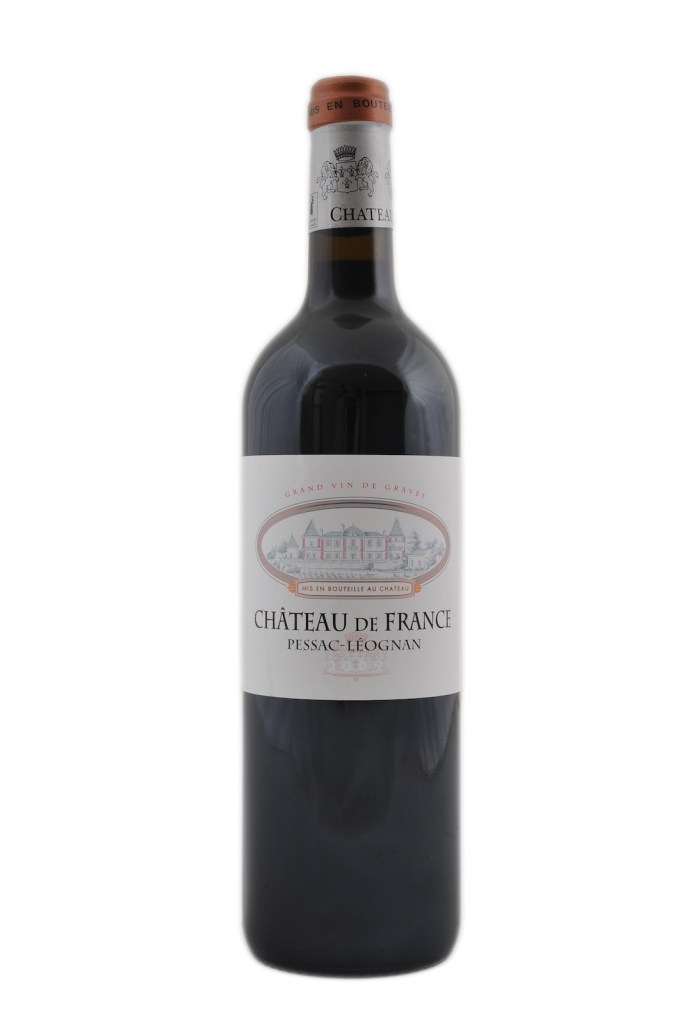
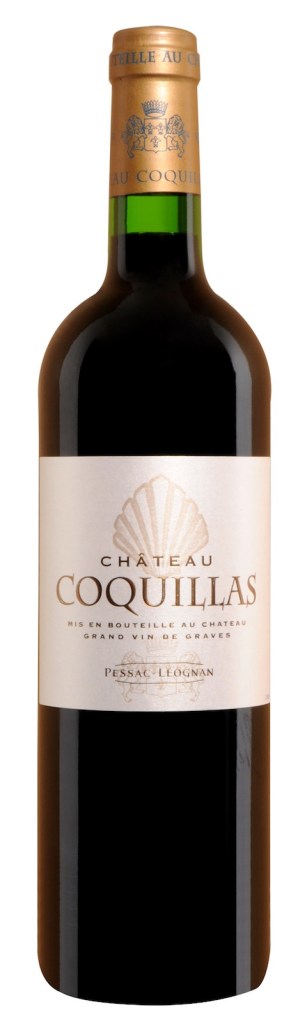
The wines of Château de France AOP Pessac-Léognan. AOP, the acronym for Protected Designation of Origin, is the European version for AOC, the French acronym for Controlled Designation of Origin. Photos Courtesy Château de France. Handout via The Gourmet Gazette
The house, in keeping with the age-old tradition of this land, produces both red and white wines. And proffered an exceptional array of its wines during a tasting at the Dame Augustine restaurant in Paris. A newly opened spot serving delicious traditional French cuisine in the bustling Gobelins neighborhood of Paris, strategically located between the Botanical Gardens and the food-oriented rue Mouffetard. The Château Coquillas Blanc 2022 AOP Pessac-Léognan proved to be fruity and opulent emanating from the sun-drenched year of 2022. The wine brings together the Sauvignon grape variety (80%) with the Sémillon (20%) variety. This was followed by a bountiful white Château de France 2022 AOP Pessac-Léognan, made in the same grape varieties in the same proportions but in a different soil. This is a wine that can be kept for five to eight years and is a winner with smoked fish or finely prepared fish in a rich sauce, a beurre blanc immediately comes to mind.
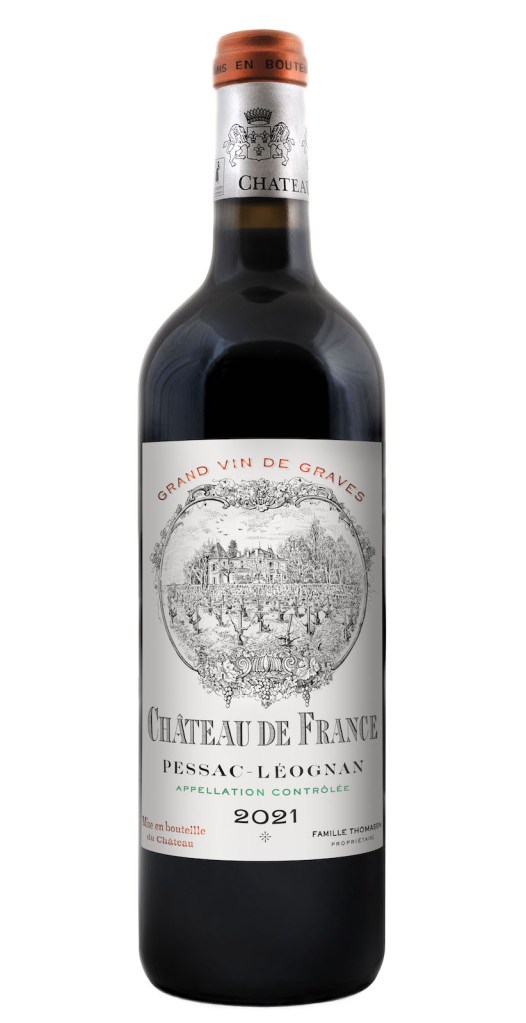
Next up was a Château Coquillas Rouge 2021 AOP Pessac-Léognan which proved to be excellent, offering that lovely body that the seas-shell laden soil provides. The wine blended together 57% Cabernet Sauvignon with 43% Merlot varieties. Meanwhile the red Château de France 2021 AOP Pessac-Léognan was heady, delightfully delicious with its combination of 62% Cabernet Sauvignon and 38% Merlot blend. The tasting wound up with a special wine, the red Château de France 2021 AOP Pessac-Léognan special 50th anniversary wine (marking the five decades that the estate has been presided over by the Thomasson family), a pure Cabernet Sauvignon in all of its wealth emanating from carefully selected plots on the estate. It also bears the historic label of Château de France from the 1920s. The red wines inspired hearty game dishes or pungent cheeses like a very ripe Camembert.
It was an admirable finale to the tasting before we moved onto the serious wine and food pairing carefully thought out by the team at Dame Augustine upon sampling the wines sent up from the estate. The white Château de France 2020 was savored with razor clams poached in brine and served with a yuzu-flavored mayonnaise and fresh garden herbs. While the pungent red Château de France 2018 was memorable with slow-cooked ultimately tender beef cheek, a strong tasting piece of beef, served with carrots (grown in sandy soil and so powerful in their own right) with briny beef broth and coriander. Chocolate and red wine are a tricky combination, but since everything was powerful, the warm chocolate mousse garnished with Tonka bean chocolate ice-cream, chocolate flavored caramel and roasted cocoa, the red Château de France 2020 pulled it off.
The vineyards are articulated around the late 18th century Château de France castle which was built upon the foundation of an old manor house whose vaulted cellar remains in place today. The estate received the French label for its sound approach to the environment in 2018 and beehives were installed in the vineyard in 2019. The environmental practices of the estate include reducing energy consumption, methods for treating parasites and the protection of the health and well-being of its employees and neighbors. In recognition for its sound environmental practices the estate was designated one of the Wines of Tomorrow (Vins de Demain) in 2022 by the Fondation du Vin.
« We support biodiversity by engaging in practices that preserve and use the natural zones in the heart of our parcels and around our property and so respect the eco-system and beauty of the countryside, » explains estate-owner Arnaud Thomassin.
The Thomassin family is among the longest running of estate owners in the Pessac-Léognan appellation. The estate was purchased by Bernard Thomassin in 1971. The family-owned estate which is about nine miles from Bordeaux, has some 100 acres (40 hectares) in the AOC Pessac-Léognan growing region including some 90 acres (36 hectares) of the Cabernet Sauvignon and Merlot grape varieties for the reds and nearly 10 acres (4 hectares) of Sauvignon and Sémillon for the whites. The house’s red and white wines are both recognized and highly regarded in France and abroad. The house is a member of the Union of the Grands Crus of Bordeaux and the scenic estate is open to visits by reservation. ©Trish Valicenti for The Gourmet Gazette. 98 Avenue de Mont de Marsan, 33850 Léognan, France, Tel: + 33 (0)5 56 64 75 39. https://chateau-de-france.com/
And for an excellent dining experience at Dame Augustin in the heart of Paris: https://www.dameaugustine.com/
Discover more from The Gourmet Gazette
Subscribe to get the latest posts sent to your email.
Categories: Gourmet Fare

