
Ville-sur-Arce, France — It was a brilliant and bright September day in Champagne country, precisely in the Côte des Bar region at the southern edge of Champagne near Burgundy. The official harvest was set to begin. Manuel Henon, the managing director of the cooperative house of Chassenay d’Arce, was walking through the rows of vine plants in one of the house’s vineyards in this lush green and hilly countryside nestled into forest, hedgerows and crop land. He stopped and pulled out a bunch of grapes. “These grapes are twice the usual size,” he commented. And indeed they were, busting forth this Pinot Noir variety, the dominant grape variety in the Côte des Bar, indicating what is bound to be a vintage year, the 2023 vintage.

Chassenay d’Arce has the largest vineyard of all of the cooperatives in Champagne with 315 hectares (778 acres) stretching out over 14 villages in the Côte des Bar region of Champagne country. The cooperative’s champagnes are aged for at least three years and often as long as a decade or more. The Gourmet Gazette recently had the opportunity to taste an exceptional range of the cooperative’s elegant champagnes right at the estate house in Ville-sur-Arc during the 2023 harvest. And this was complemented by a food and wine pairing lunch with remarkable champagnes, albeit no longer available. The tasting all began with the house’s Essentielles line and its Cuvée Première – brut, always consistent, excellent value and delightfully refreshing and a perfect cocktail time wine. The same goes for the house’s delicious Cuvée Rosé – brut with its eye-catching salmon pink color and rich taste. We were thinking about pairing it with well, smoked salon and scallion cheese or tarama, that great Greek fish roe dish.

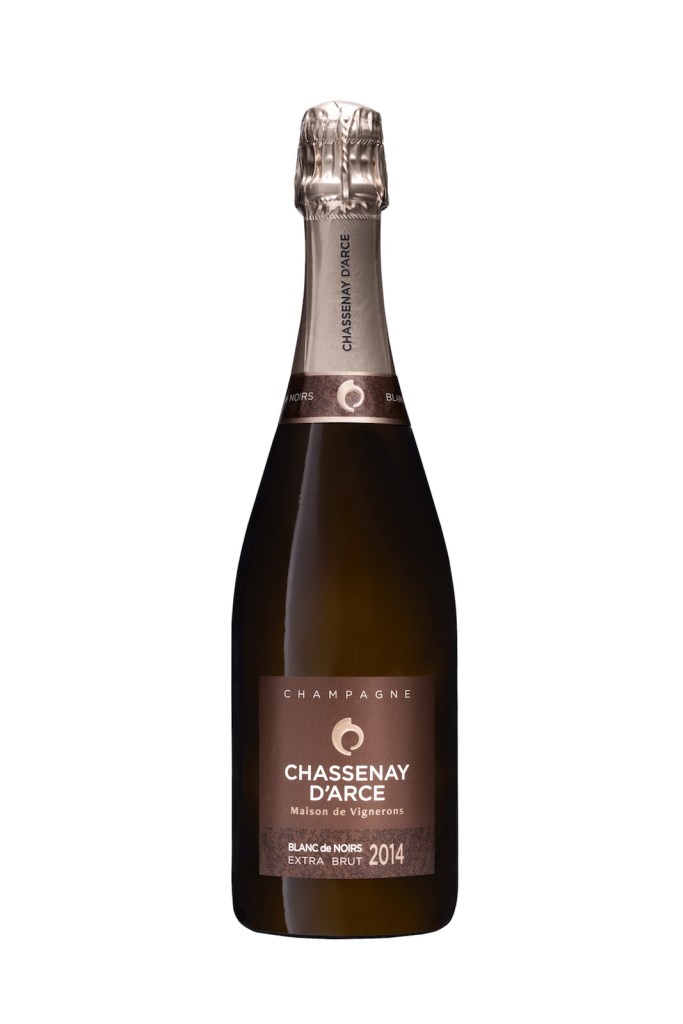
Moving on to the Les Caractères collection we headed into one of our favorites a Blanc de Blancs 2014 – brut made from 100 % Chardonnay grapes, a daring do in Pinot Noir country. “It’s a balancing act,” explained the house’s cellar master Romain Aubriot. This was followed by the house’s Blanc de Noirs 2014 – extra brut which was a 100% Pinot Noir affair, sturdy yet fresh. The Pinot Blanc 2014 – extra brut, made exclusively with one of Champagne country’s harder to come by grape varieties, the elusive Pinot Blanc, was another winner with added sugar of only 2% ( that means just two grams per liter). “It is difficult to put in more, it is difficult to pilot,” explained Mr. Aubriot. This is another good brunch champagne find, lochs, gravlax (cured salmon) and why not pastrami. From Les Confidentielles line, one of the house’s exceptional lines, we enjoyed the Confidences 2009 -brut an assembly of predominately Pinot Noir with a touch of Pinot Blanc and an even smaller touch of Chardonnay. This actually had notes of caramel. From the Authentiques collection we enjoyed a Cuvée Origine – extra brut Pinot Noir which was made primarily with the 2015 harvest, but the house did not want to bring it out as a millésime or vintage champagne. Wrapped up in completely recyclable packaging and labeling, this was a sparkler that could accompany poultry or fish even in a rich sauce. The Cuvée Audace 2014 – extra brut, so named because the house audaciously brought it out as a millésime, going against the grain that year, and its rich flavor justified the decision.
But moving along to the parings, while these champagne are no longer available, the menu dreamed up by chef Florent Paquet in collaboration with Chassenay d’Arce offers some ideal ideas. The Apolline 2002, a savant blend of Pinot Noir and Chardonnay accompanied a warm foie gras served with a quince and blackcurrant chutney and crunchy fennel. A Pinot Blanc 2008 did the deal for a supreme of farmer’s chicken accompanied by a flame-cooked prawn, Colonnata slab bacon and freshly picked oyster mushrooms from the woods surrounding the vineyards. We did have a sumptuous cheese course, too, and this was followed by a remarkable surprise, a hazel nut tarte with creamy chocolate and a compote of raspberries, accompanied by a rare treat, Chassenay d’Arce’s very own Ratafia de Champagne, the sweet liqueur that is made in Champagne country. Sweet and creamy, it is made with the last pressing of Pinot Noir, Chardonnay or Pinot Meunier varieties which is then fortified with the addition of grape-based brandy to the must.

It is a house of winemakers, Chassenay d’Arce, a champagne-making cooperative founded in 1956 by five pioneers and that brings together today 130 families and three generations of winemakers in the southernmost reaches of the northernmost wine-making region of France, Champagne country’s Côte des Bars in the Aude administrative region about 60 miles from Epernay. The Arce Valley is lined with a very specific good earth, specific to the Côte des Bar that was once covered by the sea. Here a dark, unique layer of marl soil is found dating from the late Jurassic period, a soil named Kimmeridgian. Marl is an earthy material, rich in clays and silt imparting a unique quality to the grapes that grow in it.
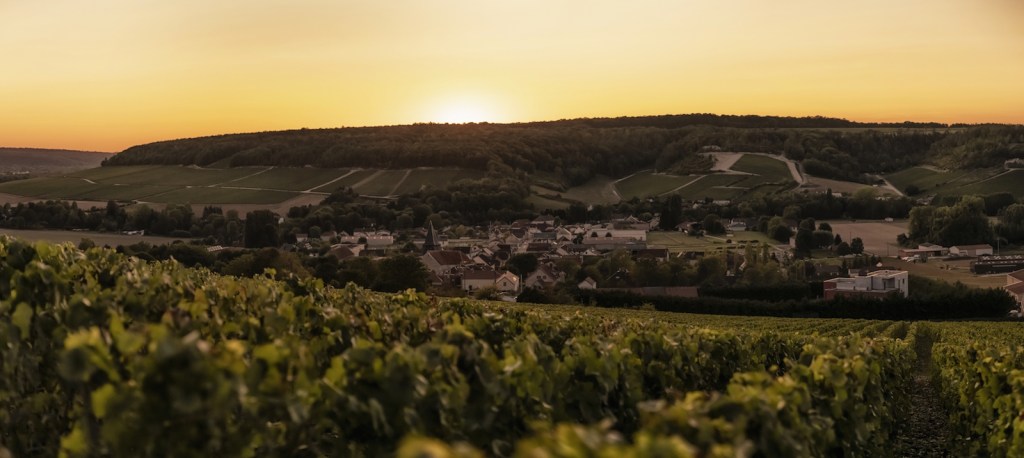
In the Côte des Bar, the vineyards are entwined with forests and the majority of the steep vineyards face south or southeast. Here the dominant grape variety is the Pinot Noir and the sun confers upon it fruity and delicate savors. It is a variety that has thus far weathered the storm of climate change. Chassenay d’Arce became the first champagne house to obtain the Vignerons Engagés (Concerned Winemakers) label in 2021 for the actions it has undertaken to protect the environment, and engage in sustainable development. Today 7.3% of its vineyards have been certified organic. You can visit Chassenay d’Arce and enjoy a tour of the cooperative’s headquarters, vineyards and facilities, a tasting or book a tasting of Chassenay d’Arce champagnes at one of the local restaurants.©Trish Valicenti for The Gourmet Gazette. https://chassenay.com/en/. 11 rue du Pressoir, 10110 Ville-sur-Arce, France, 33 (0) 3 25 38 30 70
Discover more from The Gourmet Gazette
Subscribe to get the latest posts sent to your email.
Categories: Gourmet Fare
 The Gourmet Gazette