
Time was of concern to Odysseus in his long odyssey to return home after the Trojan War. His entire journey including travelling to Troy and the ensuing war took 20 years. At one point he became trapped for 7 years on the island of the nymph Calypso, time he did not know had passed. In the land of the Lotus-Eaters, the past and the future are erased with only the present time counting. Even the flashback mechanism in the telling of the Odyssey relies on time as the story itself only lasts a few weeks to relate 20 years of lost time gone by.
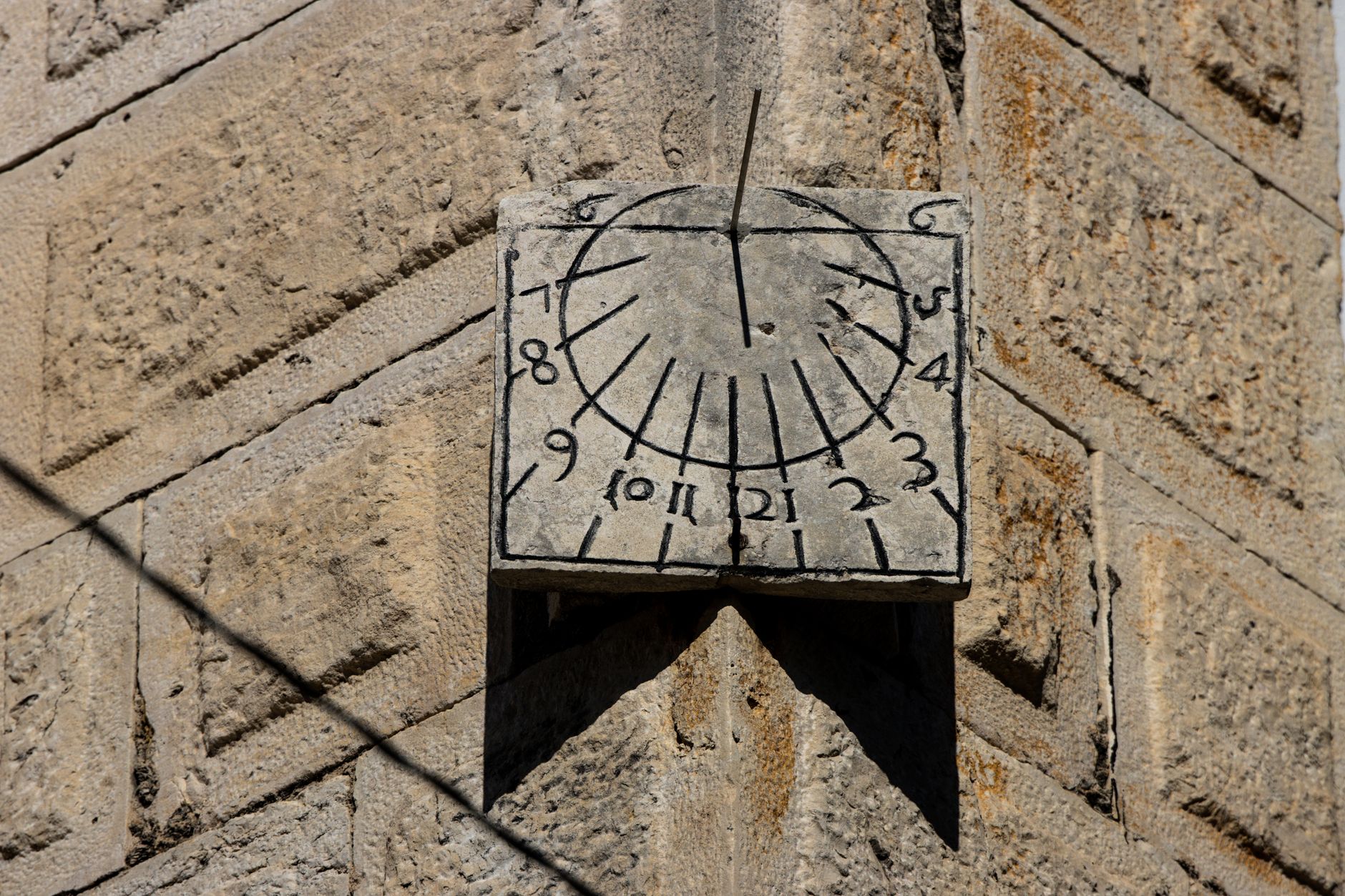
A sundial is an early timekeeping device that indicates the time of day using the position of a shadow cast by the sun.
Photo by Efrem Efre on Pexels.com Handout via The Gourmet Gazette
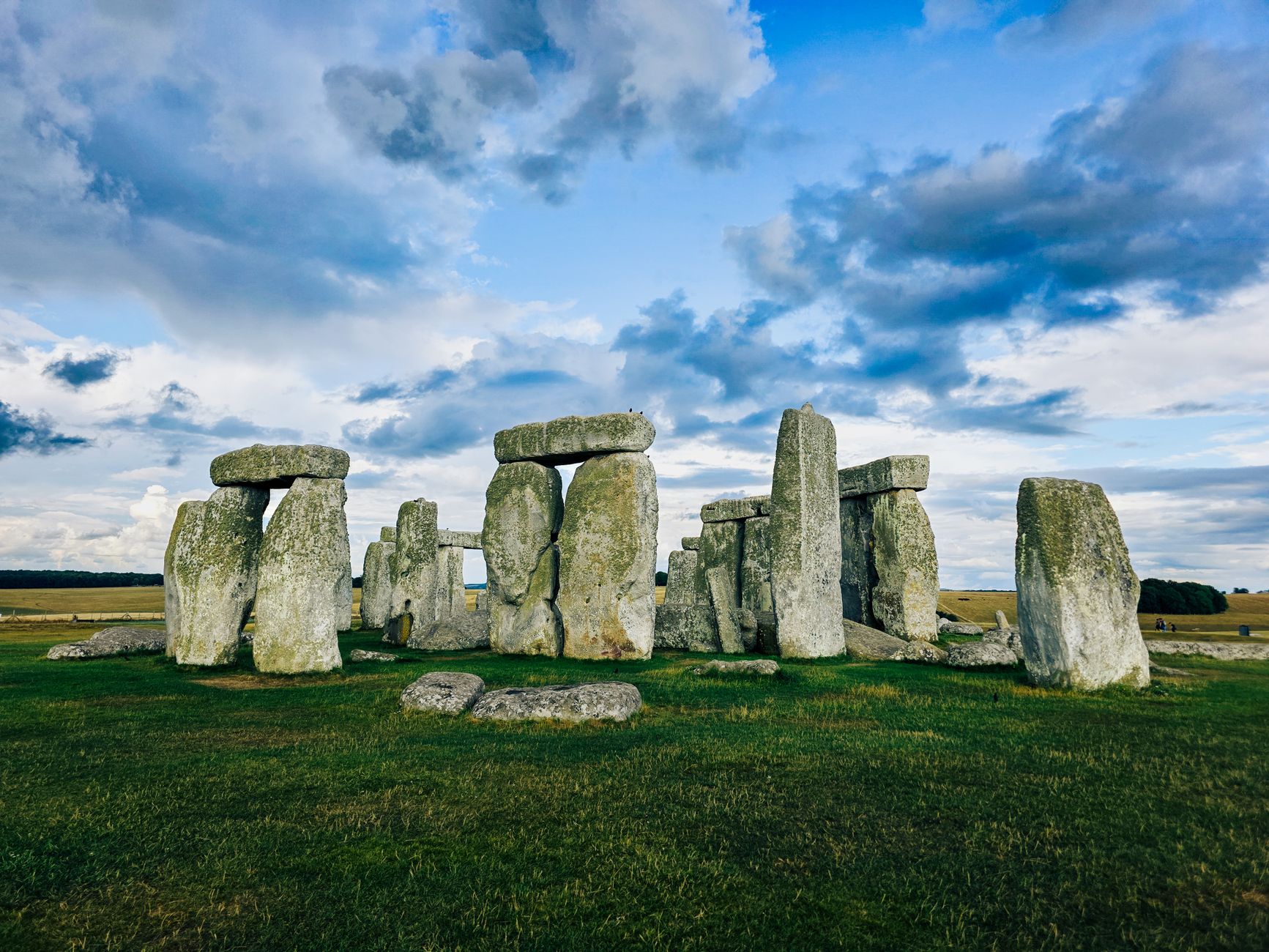
Back in Antiquity in the time of Odysseus celestial bodies like the Sun, the Moon, planets and stars were all used by the ancient civlizations to measure time. But water, incense and shadows were used as well. Shadow dials, sundials, hydraulic clocks and more were the instruments used to measure time in years, months, days. In fact anything that moves with consistency can be a timepiece. Stonehenge was a kind of pre-sun dial reflecting the solstices. The pre-historic Warren Field site in Scotland is perhaps the world’s oldest time teller, a lunisolar calendar tracking note of the Moon’s phases and the Sun’s position that was believed to have possibly been built 10,000 years ago.
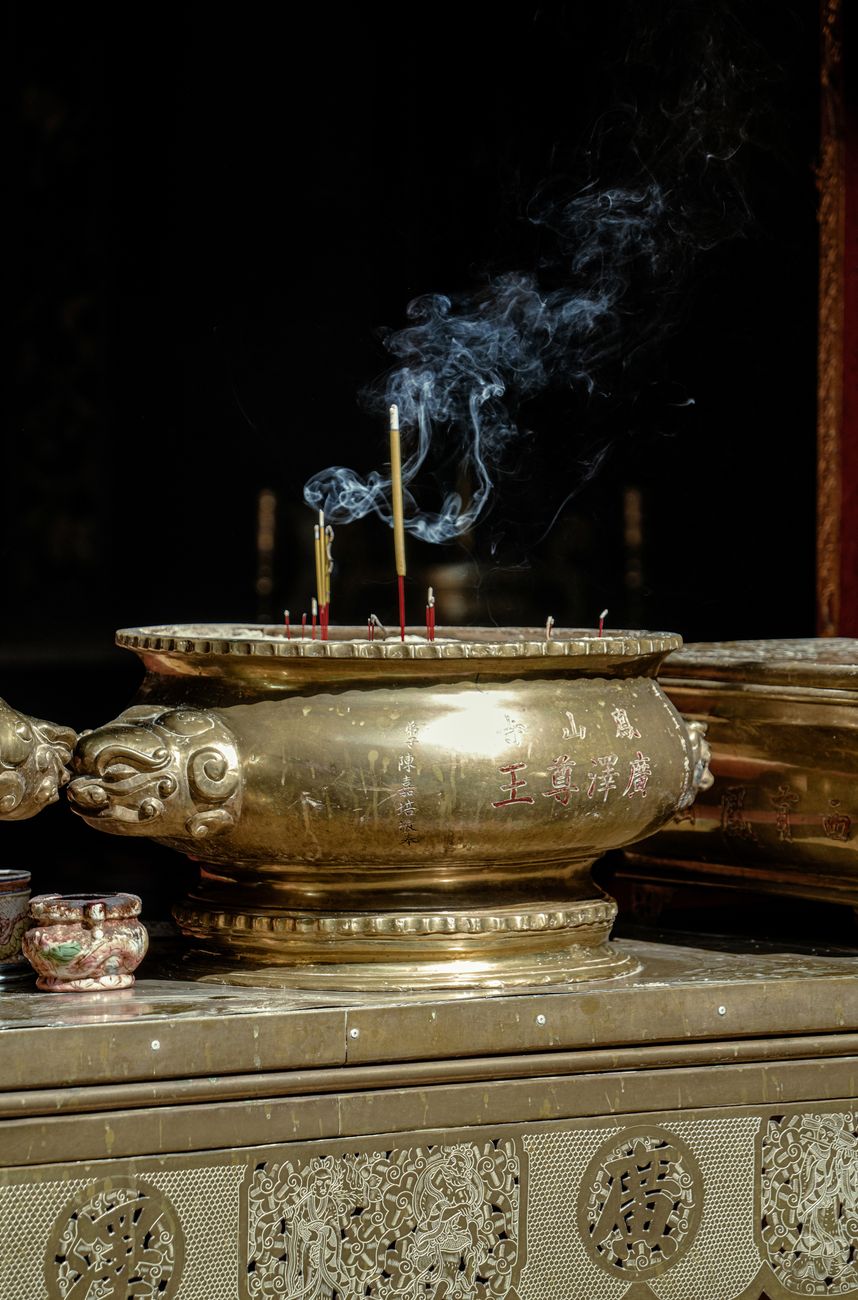
In Ancient China, Tibet and Japan, incense clocks told time by the gradual burning of specific types of powdered incense that were calibrated to burn at a consistent rate. These clocks were equipped with different compartments or markings that indicated the passage of time as the incense burned, explains the Northwest School of Aromatic Medicine. Photo by Felix Schickel on Pexels.com Handout via The Gourmet Gazette
You can explore ancient Greek methods of timekeeping— including the hydraulic clock of Archimedes and Plato’s alarm clock — and other technology of Ancient Greece at the Kotsanas museums at four locations in modern-day Greece. https://kotsanas.com/
©Trish Valicenti for The Gourmet Gazette
See also: https://thegourmetgazette.com/2026/07/07/moments-in-time-jaeger-lecoultres-odyssey-time/
Discover more from The Gourmet Gazette
Subscribe to get the latest posts sent to your email.
Categories: Gourmet Fair, Gourmet Time Wear

