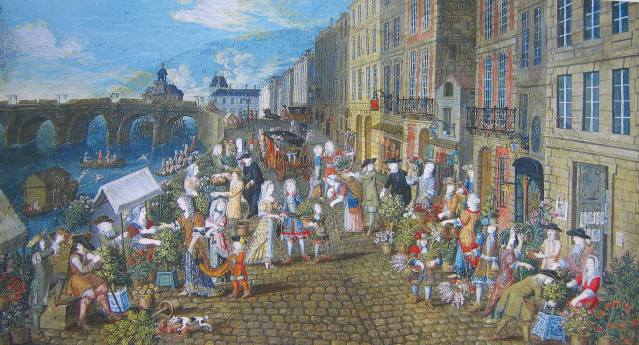
Marie de Rabutin-Chantal, better known as the Marquise de Sévigné, was born in Paris 400 years ago in the mansion of her grandparents. French aristocrat, avid letter writer she is regarded in France as one of the major icons of French 17th century literature. Her life and times are being celebrated throughout France this year and particularly at the Musée Carnavalet, the museum devoted to the history of Paris and where the elegant Madame de Sévigné lived from 1677 until her death in 1696 when it was one of the great private manor houses in the Marais neighbourhood. She was born on February 5th in 1626 in the Place Royale, today’s Place des Vosges. Louis XIII reigned over the land in close collaboration with his chief minister, the celebrated Cardinal Richelieu. In her lifetime it was the royal court that set the tone for fashion, taste and manners. She would live, read, write and be part of Parisian circles during the reigns of both Louis XIII and Louis XIV.
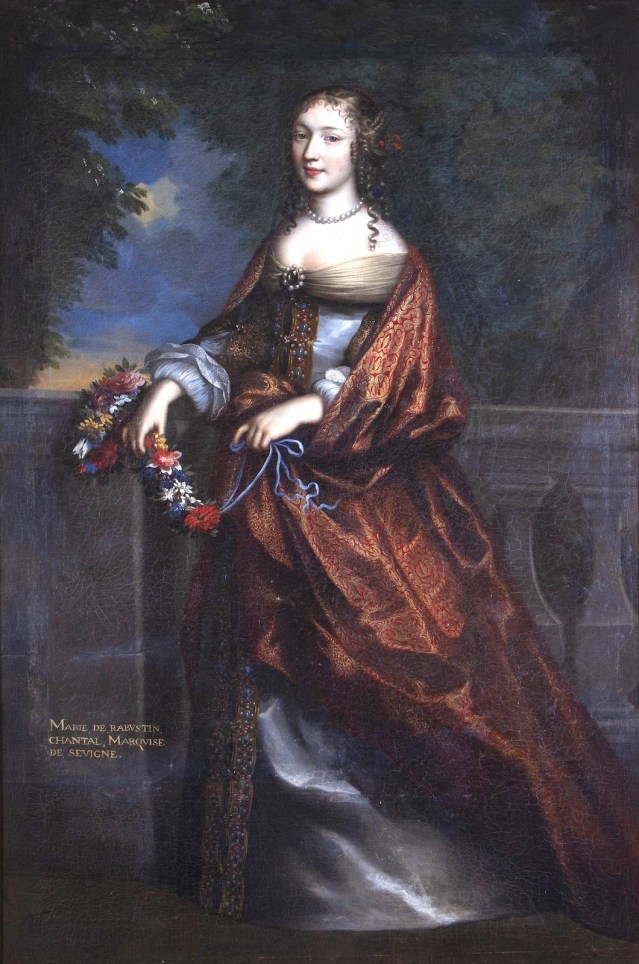
The future lady of letters was orphaned at the age of seven and upon the death of her maternal grandparents had the good fortune to be raised and educated by her uncle Christophe de Coulanges, the abbé of Livry, who became her guardian. She would call him « le Bien Bon » (the very good) in her letters for he would actively tutor her in arts and letters and brought in distinguished teachers for lessons in Italian, Spanish and Latin. She would go on to marry the Marquis de Sévigné, from one of the oldest aristocratic families in Brittany but he, widely regarded as not the greatest of husbands, would go on to be killed in a duel in 1651, leaving Marie, at the age of 25, a widow with two children to raise. Early widowhood and her excellent education combined to turn her into a woman with relative freedom and time to write her now famous letters, many of which were addressed to her daughter, Françoise-Marguerite, who moved to Provence where her husband was stationed thus setting the stage for a correspondence that would become one of the great French literary classics.
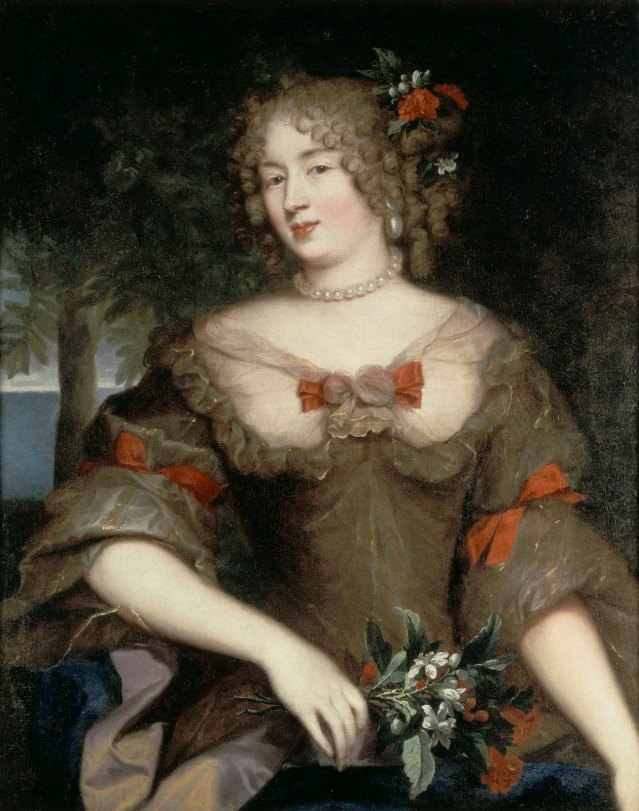
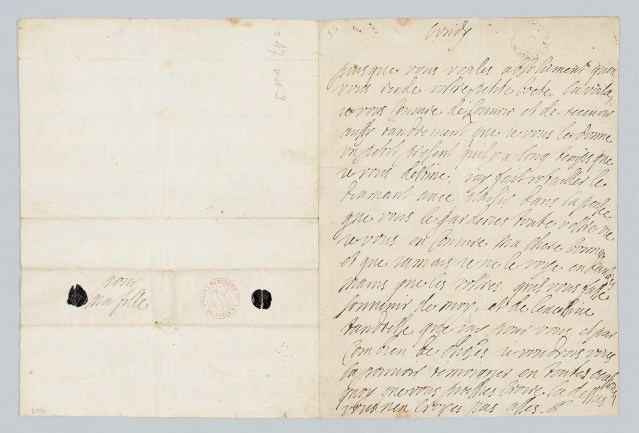
What is striking in the works of Madame de Sévigné are her vivid descriptions of Paris in the 17th century and her insights into herself and her personal activities, coming across clearly as a joyful and most intelligent of beings. Her writings reveal a deep appreciation of the natural world, as well, its colors, its mysteries, its spectacles evoked in « The Seasons » or « Adieu my Dear Forest. » Although her letters were copied and circulated in the 17th and 18th centuries, she refused to have them published in her lifetime. By the turn of the 19th century they had already become classics.
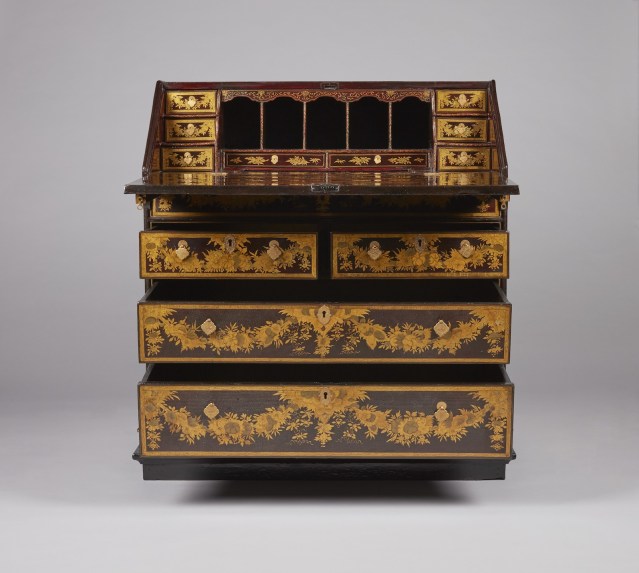
The exhibition, running unitl August 23rd, at the Carnavalet takes the visitor through the incredible journey that was not only the life but also the times of Marie de Rabutin-Chantal, Madame de Sévigné, through some 200 objects, documents, portraits and works of art, many emanating from the rich collections of the Musée Carnavalet. In her writings she would also explore the everyday goings-ons of life in Paris, life in her household and include commentary on subjects as diverse as medicine and religion. ©Trish Valicenti for The Gourmet Gazette
https://www.carnavalet.paris.fr/en
Discover more from The Gourmet Gazette
Subscribe to get the latest posts sent to your email.
Categories: Gourmet Fair

