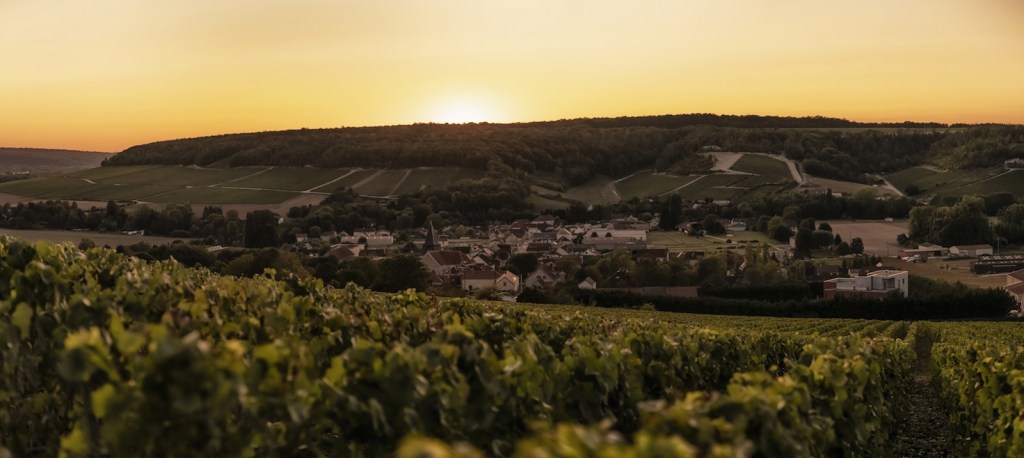
Chassenay d’Arce has the largest vineyard of all of the cooperatives in Champagne with 315 hectares (778 acres) stretching out over 14 villages in the Côte des Bar region of Champagne country. The cooperative’s champagnes are aged for at least three years and often as long as a decade or more. The Gourmet Gazette recently had the opportunity to taste an exceptional range of the cooperative’s elegant champagnes at the Renaissance Paris Arc de Triomphe hotel overlooking a sumptuous garden.

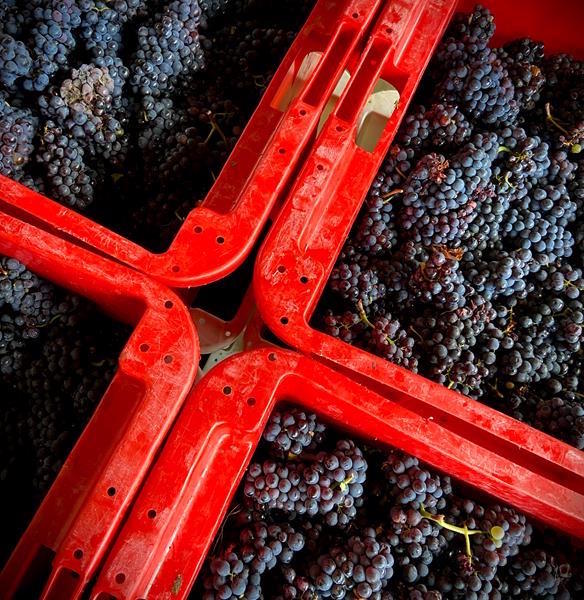
Left: Romain Aubriot, the cellar master at Chassenay d’Arce. Right: The 2022 harvest in the vineyards of Chassenay d’Arce. Photos courtesy Chassenay d’Arce. Handout via The Gourmet Gazette
It all began with the Les Essentielles line of champagnes, blends, but in which the emblematic grape variety of the Côte des Bar dominates: the pinot noir. The Cuvée Première – brut was a soothing and refreshing blend of pinot noir, chardonnay and the rarely found pinot blanc. Meanwhile in the same line the Cuvée Rosé – brut brought together the three aforesaid grape varieties along with some pinot meunier which often offers a certain structure to champagnes. This made for a perfect pink champagne helped along by the incorporation of red wine into the blend before bottling.
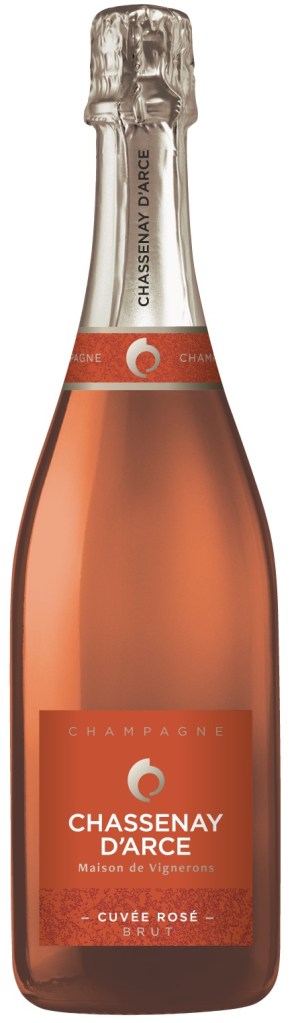
Photo courtesy Chassenay d’Arce. Handout via The Gourmet Gazette
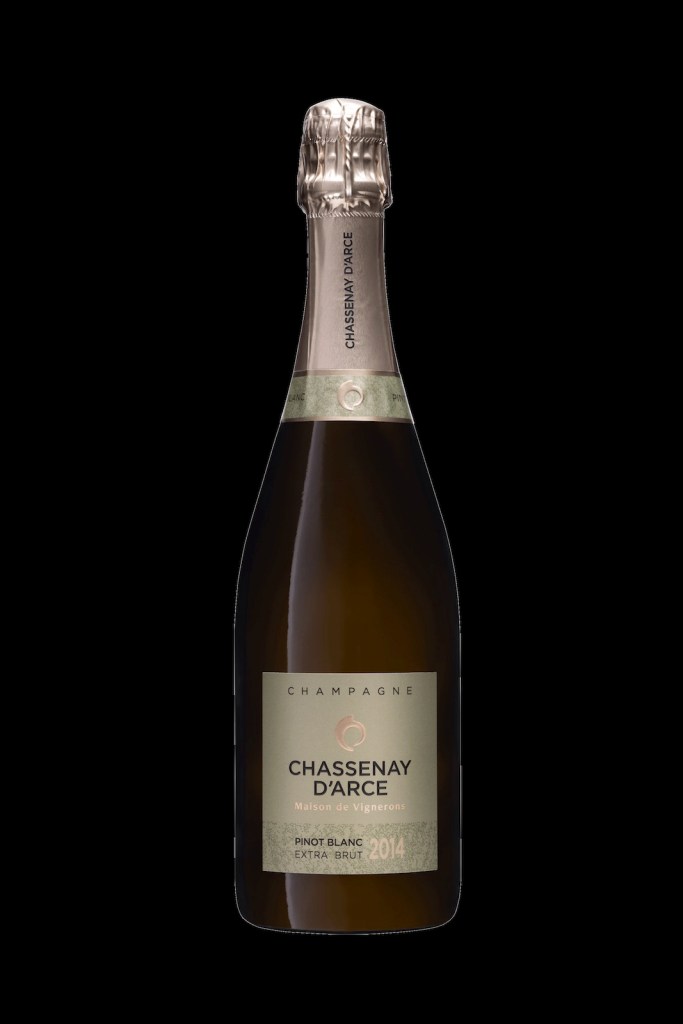
Les Caractères collection was, as its name implies, characteristic of each of the grape varieties that the wines are made with. The Blanc de Blancs 2014 – brut was a vintage made exclusively with chardonnay grapes and it proved to be highly fragrant and stood up well to a rich salmon gravlax. This was a bold move as the chardonnay grape variety is relatively rare in the Côte des Bar covering only 10% of the region’s surface. The Blanc de Noirs 2014 – extra brut vintage was made with 100% pinot noir grapes and was full bodied. Our favorite turned out to be a rare Pinot Blanc 2014 – extra brut made exclusively with the rare pinot blanc grape variety and which managed to be full-bodied and refreshing at the same time. Chassenay d’Arce has been able to retain a few parcels of this rare grape variety that covers only 0.3% of the surface in all of champagne country. But the good news is is that they are planting more.
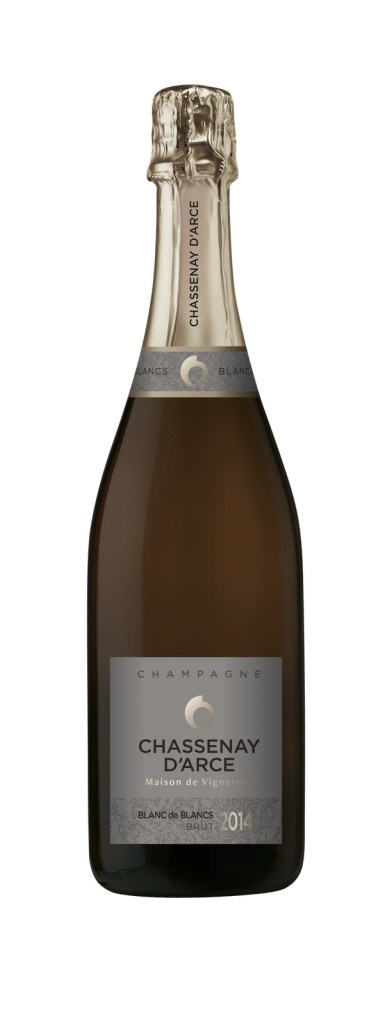
Photos courtesy Chassenay d’Arce. Handout via The Gourmet Gazette
The cooperative’s Confidences – brut 2009 vintage proved to be exceptional outfitted with a Cuvée des Sacres bottle used in earlier times and whose conical shape facilitates the sommelier’s pouring and whose name evokes the coronation of France’s kings which took place in Reims in Champagne country. This precious blend of pinot noir with a touch of pinot blanc and chardonnay, aged for 12 years, proved to be intense and was made with the old vine plants of the cooperative.

Photo courtesy Chassenay d’Arce. Handout via The Gourmet Gazette
We moved on to Les Authentiques which were also single grape variety champagnes made exclusively with the pinot noir. The Cuvée Origine extra-brut was a rich and noble champagne made from grapes from organically certified vine plants and holds up nicely against fish carpaccios. Meanwhile the Cuvée Audace 2014 extra-brut was a powerful and structured champagne emanating from an excellent vintage year. Only 9,000 bottles have been produced using grapes that were grown organically in the champagne.


Photo courtesy Chassenay d’Arce. Handout via The Gourmet Gazette
It is a house of winemakers, Chassenay d’Arce, a champagne-making cooperative founded in 1956 that brings together 130 families in the southernmost reaches of the northernmost wine-making region of France, Champagne country’s Côte des Bars in the Aude administrative region about 60 miles from Epernay. The Arce Valley is in the very southern most reaches of Champagne country near Burgundy with a very specific good earth, specific to the Côte des Bar that was once covered by the sea. Here a dark, unique layer of marl soil is found dating from the late Jurassic period, a soil named Kimmeridgian. Marl is an earthy material, rich in clays and silt imparting a unique quality to the grapes that grow in it.
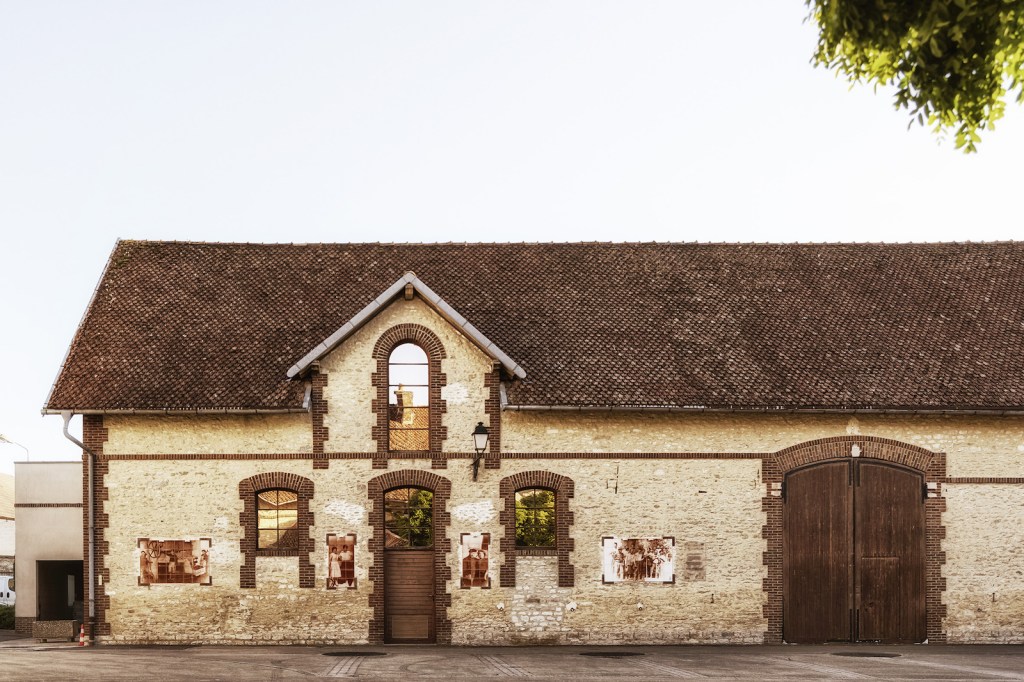
In the Côte des Bar the vineyards are entwined with forests and the majority of the steep vineyards face south or southeast. Here the dominant grape variety is the pinot noir and the sun confers upon it fruity and delicate savors. It is a variety that has thus far weathered the storm of climate change. Chassenay d’Arce became the first champagne house to obtain the Vignernons Engagés (Concerned Winemakers) label in 2021 for the actions it has undertaken to protect the environment, and engage in sustainable development. Today 7.3% of its vineyards have been certified organic. You can visit Chassenay d’Arce and enjoy a tour of the cooperative’s headquarters, vineyards and facilities, a tasting or book a tasting of Chassenay d’Arce champagnes at one of the local restaurants.©Trish Valicenti for The Gourmet Gazette. https://chassenay.com/en/. 11 rue du Pressoir, 10110 Ville-sur-Arce, France, 33 (0) 3 25 38 30 70
Discover more from The Gourmet Gazette
Subscribe to get the latest posts sent to your email.
Categories: Gourmet Fare


This is fascinating information about the grapes, the cooperative, the history, and the efforts to preserve the area and these unusual grapes! Photos are also fantastic. The house looks as though it walked out of a beautiful French fairy tale. Hope to visit on our next trip to France!
LikeLike