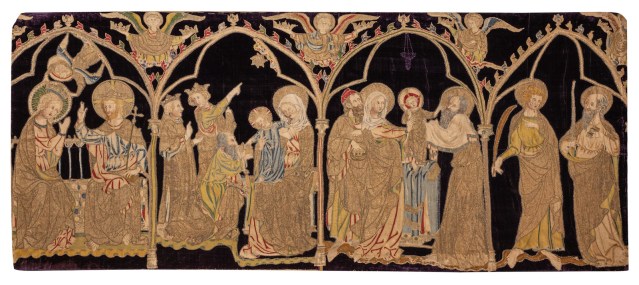
Troyes, France — The vibrant and resplendent court of the Counts (and Countesses) of Champagne glittered from the 10th to the 14th centuries when this principality, one of the most powerful in Europe, was also a great center of artistic creation. Templars, scholars, intellectuals and the great trade fairs all contributed to the reach of this court whose counts through marriage would also become the kings of Navarre.
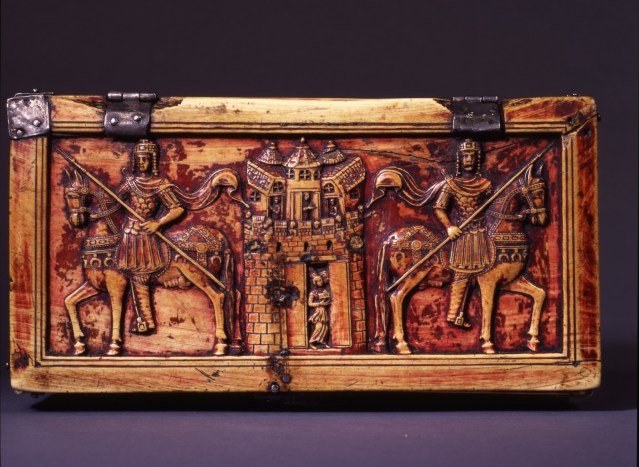
Perhaps one of the most brilliant of these courts was that of a countess, the Countess Marie of Champagne, daughter of Eleanor of Aquitaine and King Louis VII of France. Married to Count Henry I the Liberal of Champagne, she often managed affairs of state while he was off at war or the crusades. She inherited her mother’s love of literature and grew up in a court of troubadors and importantly she supported her friend Chrétien de Troyes who wrote the tale of Eric and Enide, circa 1170, the oldest Arthurian romance to have survived in any language. He would go on to write four more Arthurian romances in which a splendid court of riches, romance, courtly love and chivalry thrived. A vision of Camelot inspired by the Counts of Champagne and their court?
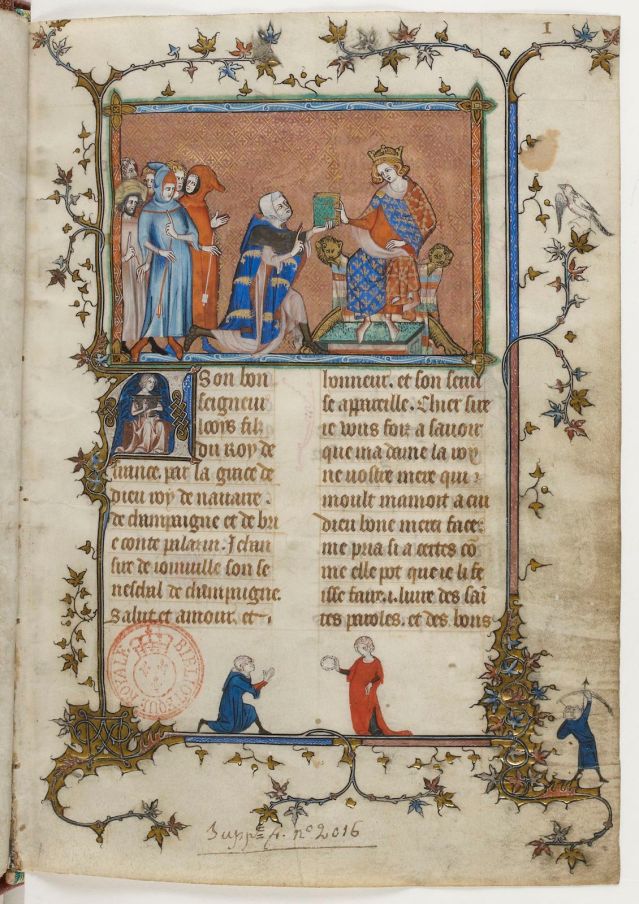
That rich history of the counts is being played out in a sumptuous exhibition underway at the Cité du Vitrail entitled «Passavant le meilleur ! La Champagne au temps des comtes » « Let the Best Go Forward! Champagne in the Age of Its Counts ». The Cité du vitrail is a museum and cultural centre dedicated to stained-glass. Troyes and the surrounding Aube administrative department are home to 40% of the world’s stained glass.
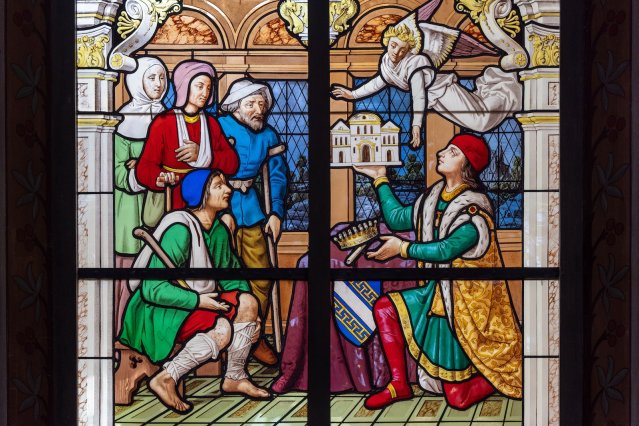
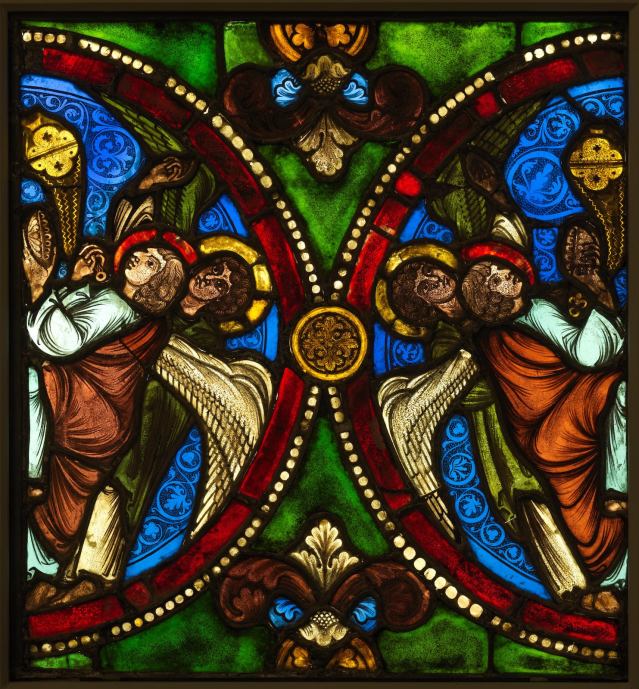
The exhibition explores the origins of the Principality of Champagne from its inception in the 10th century until it became part of the Kingdom of France in 1361. The show, covering four centuries of the fascinating medieval life and times of the Counts of Champagne, brings together a stunning array of works, objects and documents emanating from public and private collections from around the world offering a glimpse into the splendour of their lifestyle and why and how it became a cultural and commercial hub in the Middle Ages. Some 300 works plunge us into the heart of medieval Champagne, a Camelot of sorts.
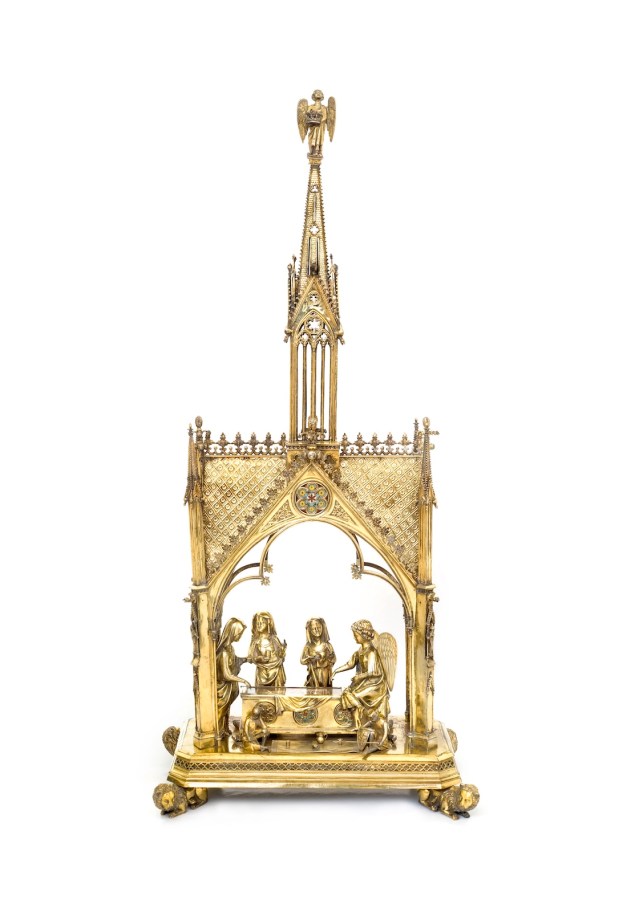
And what a Camelot it was. It was in the Cathedral of Troyes surrounded by its majestic stained glass windows that the Knights Templar were officially approved by the Council of Troyes on January 13th, 1129. Earlier still, Rabbi Solomon, the son of Isaac, best known as Rashi, a renowned medieval French commentator on the Bible and the Talmud was born in Troyes in 1040 and lived most of his life there. His work still serves among Jews as the most substantive introduction to biblical and post biblical Judaism.
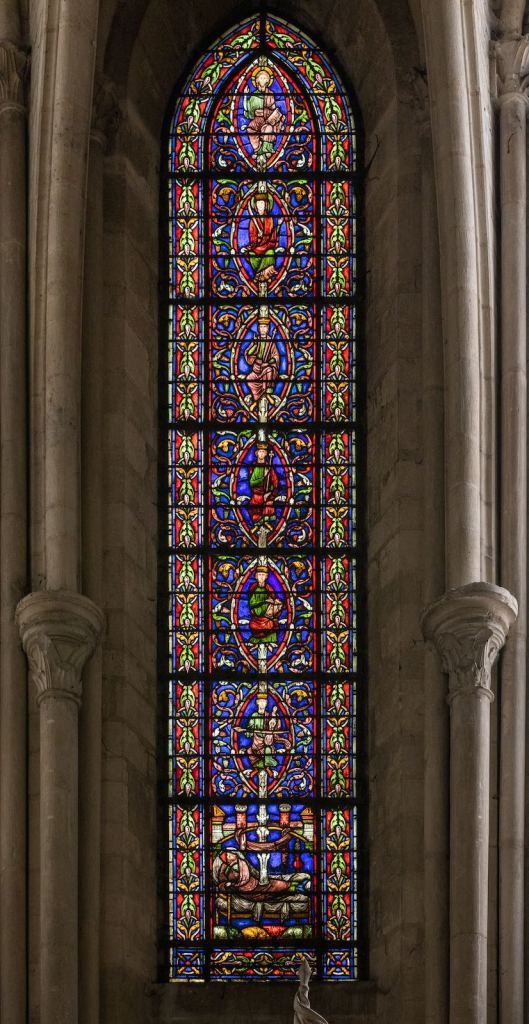
During the 12th and 13th centuries southern Champagne enjoyed a remarkable and decisive political, economic, religious, literary and artistic standing, transforming the principality into an essential component of Western Europe and the Kingdom of France, even before it became part of the latter in 1361. It was all about trade with the highly structured Champagne trade fairs held annually in Troyes and the neighboring cities of Bar-sur-Aube, Provins and Lagny enabling southern Champagne to be the place for international trade that had no equivalent. Leading personalities of the day included the abbot and mystic Bernard de Clairvaux who was at the Council of Troyes and would become Saint Bernard and the philosopher and theologian Peter Abélard. Religious orders abounded as well including the Templars but the Carthusians, Teutonic Order and the Order of Cistercians were all there as well, leaving behind a rich religious heritage.
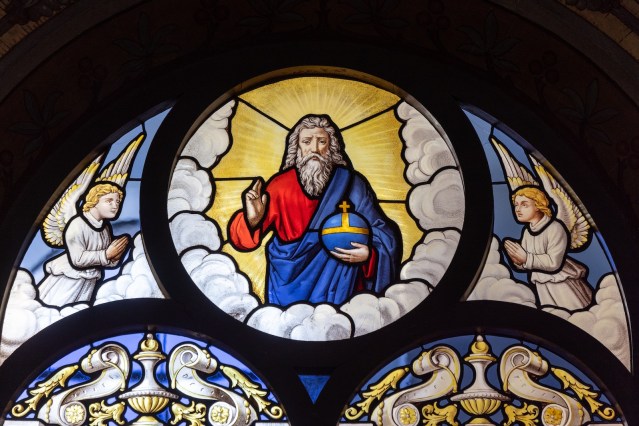
The Counts of Champagne exhibition is on until October 31st and the Cité du vitrail, the city of Troyes and the Stained Glass Route in the region are worth a visit in and of themselves. Conferences, guided tours, cultural events and parallel exhibitions are all on the agenda. ©Trish Valicenti for The Gourmet Gazette Hôtel-Dieu-le-Comte, 31 Quai des Comtes de Champagne, 10000 Troyes. Tel +33 (0)3 25 42 52 87. https://cite-vitrail.fr/
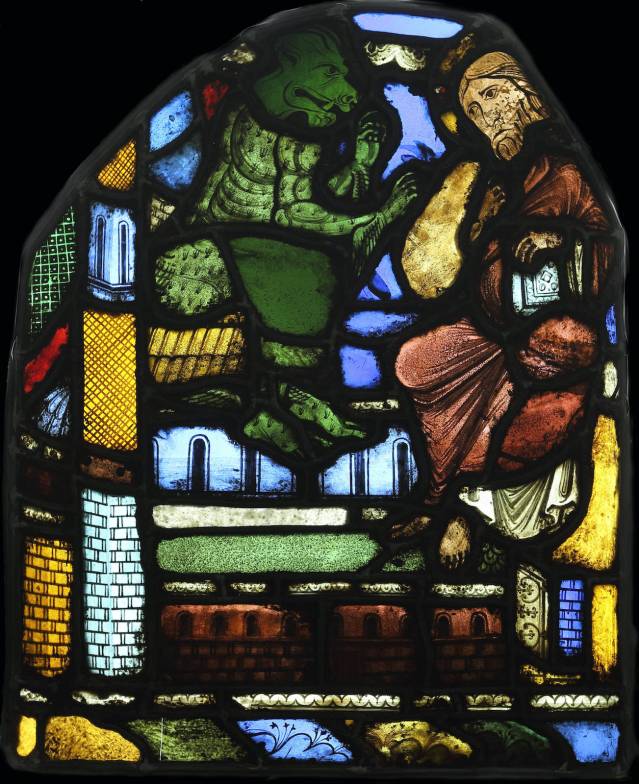
©Université Laval. Courtesy Cité du Vitrail. Handout via The Gourmet Gazette
Discover more from The Gourmet Gazette
Subscribe to get the latest posts sent to your email.
Categories: Gourmet Fair

