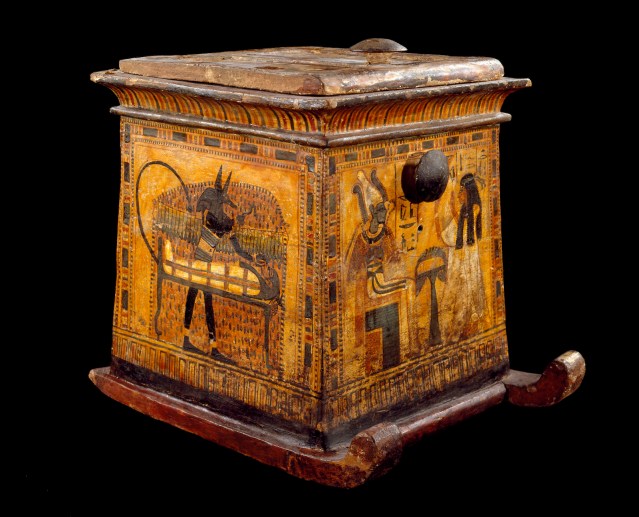
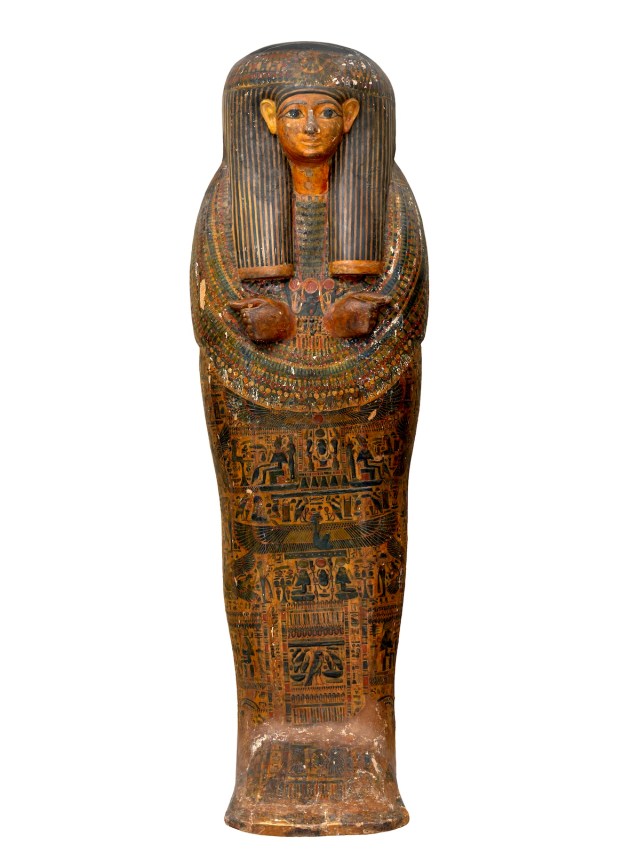
Paris, France — Mummies have fascinated for millennia. They’ve been around for millennia as well. They have emerged in popular culture, notably in film, witness The Mummy movies franchise which began back in 1932 with the original Mummy starring Boris Karloff as Imhotep, a vizier, high priest and sage of ancient Egypt, and is still drawing audiences today with the April 17th release of Lee Cronin’s The Mummy by Warner Bros. Pictures. The best known mummies come to us from Ancient Egypt where even cats and crocodiles, regarded as sacred animals, were mummified. And mummies represent an elusive endeavour: eternity. So it shouldn’t be surprising that mummies and mummification were not exclusive to Egypt. Mummification has been practiced — and continues to be practiced in some places —throughout the world for thousands of years. The oldest mummified bodies known to date are 9,000-years-old, belong to the Chinchorros culture and were discovered in a territory located between present-day Peru and Chile. And they also live on through their representation in literature, cinema, comic books and advertizing.
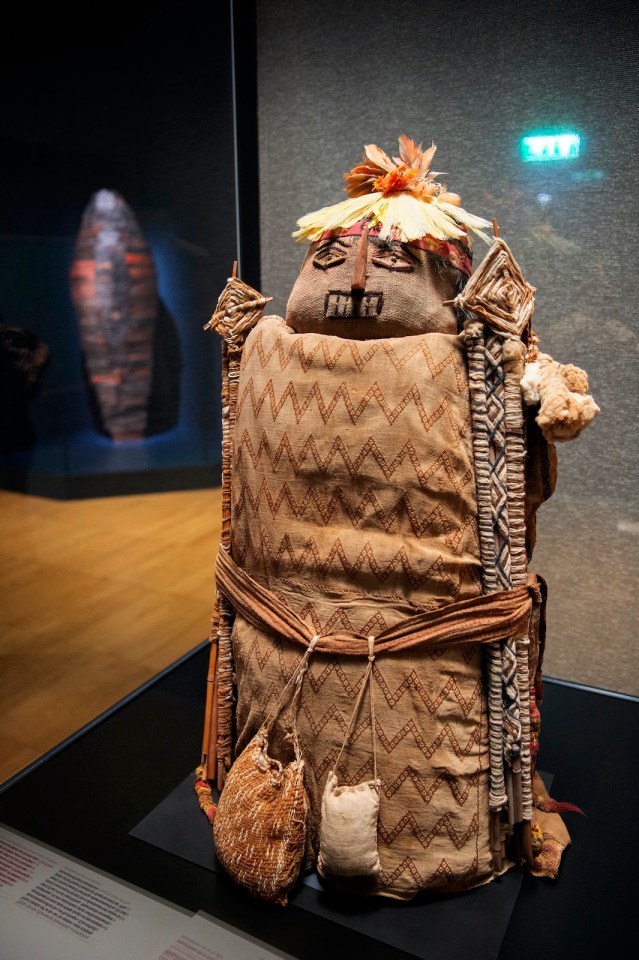
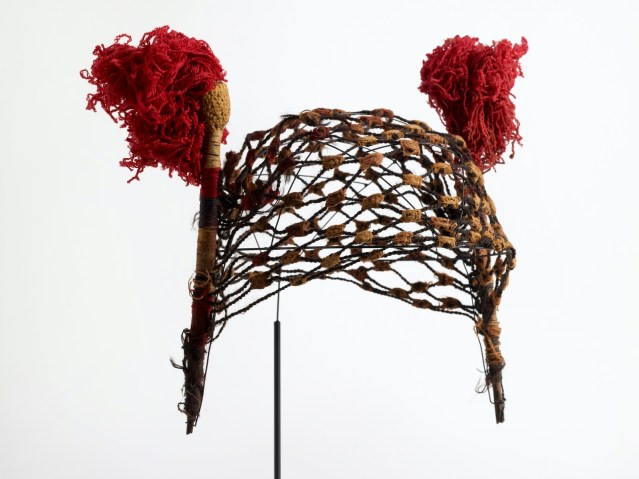
A show entitled Mummies is currently being played out at the Musée de l’Homme, France’s national anthropological museum, whose priceless and extensive collections include 70 mummies, these memento mori, which are a powerful reminder of our own ultimate end. Nine mummies are in the exhibition which includes objects, documents, short films and works of art. The exhibition takes a look at what mummification actually is and the evolution of practices involved through different ages and regions of the world. Egypt is of course evoked but so are the mummification practices of the Tovars in present day Indonesia, in the Baroque period in Sicily and in 19th century France. Techniques, rituals and the role played by archeology in the study and fascination of mummies are explored. It also takes a look at how mummies are studied today and underscores the necessity of approaching the science of mummy study as well as the exhibition with respect for the deceased. The exhibition includes a small and touching segment on the arrival of Ramses II in Paris in 1976 where it was sent for restoration. The mummy was welcomed as a head of stare and was driven around the Place de la Concorde and its Egyptian obelisk before arriving at the Musée de l’Homme where it was studied by 80 researchers for seven months and treated to stop the proliferation of mold and fungus before returning to Cairo.
« With this exhibition, the Musée de l’Homme aims to re-humanize its collections. Behind each mummy is a person, an individual with his beliefs, his gestures, his story and his journey of life and death that we can still try to trace. These bodies are not objects: they are witnesses. Their presence in museums raises as well essential ethical questions that the exhibition approaches in an open and responsible manner, » commented Aurélie Clemente-Ruiz, the director of the Musée de l’Homme.
The Musée de l’Homme was inaugurated in June, 1938 and focuses on the evolution of humans and human societies, combining biological, social and cultural approaches. It is located in the Passy wing of the Palais de Chaillot in Paris, a building originally constructed for the 1937 World’s Fair. It houses collections of prehistory, biological and cultural anthropology, a center for research, higher education and training, and the dissemination of knowledge on the evolution of humans and human societies, all under the same roof. The museum’s priceless collections include Cro-Magnon fossils while its prehistory and anthropology collections are among the finest in the world and worth a visit in and of themselves. The Musée de l’Homme is part of the Muséum national d’Histoire naturelle -France’s national natural history museum. The Mummies exhibition is on until May 26th and a special conference on May 11th on human remains is on the agenda from 6pm until 7:30pm. 17 Pl. du Trocadéro et du 11 Novembre, 75016 Paris. Telephone: + 33 (0)1 44 05 72 72. https://www.museedelhomme.fr/en
©Trish Valicenti for The Gourmet Gazette
Discover more from The Gourmet Gazette
Subscribe to get the latest posts sent to your email.
Categories: Gourmet Fair

