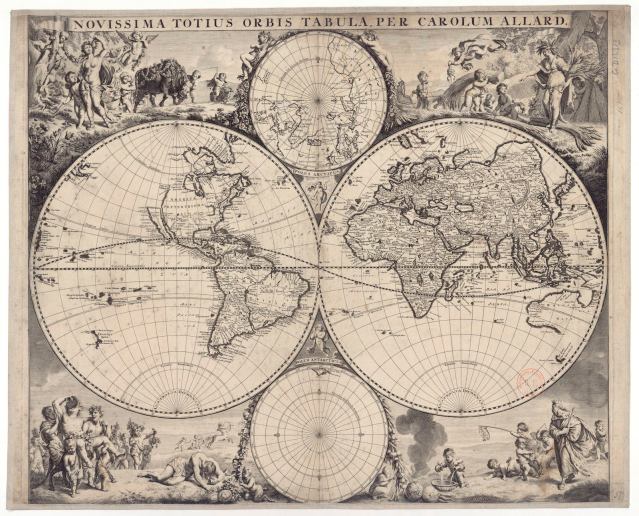
Paris, France —Tales of real-life explorers setting off for faraway places and unexplored realms of the planet usually caught the attention of the entire history or geography class. They set off from Spain, the Netherlands, England and France. They went to the Seven Seas, to the exotic worlds of the Pacific Islanders. French explorers like Samuel de Champlain founded Quebec City and entered into what is now Vermont where a large lake is named after him. French military officer and explorer Louis-Antoine, Comte de Bougainville would circumnavigate the globe starting in 1766, embarking, unknowingly, Jeanne Barret who would become one of the rare women to sail around the world prior to the 20th century. More recently Sophie Adenot, a colonel in the French Air Force, soared into space this year to the International Space Station for a long-duration mission.
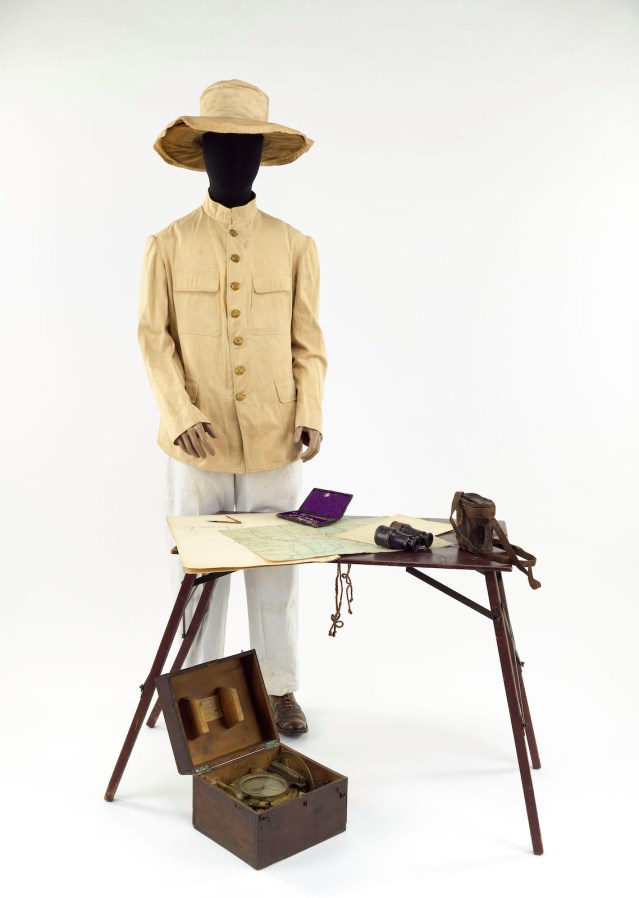
The Musée de l’Armée Invalides, France’s military museum housed in the Invalides, is currently celebrating the country’s rich history of three centuries of exploration in an exhibition entitled Explorations: a Matter of State. The unique show takes a look at expeditions and missions from the 18th century to the present day underscoring how science, power and the military all join forces. In 1763, France lost the Seven Years’ War and, with it, its first colonial empire in America and Asia. Against a backdrop of international rivalries, with the English and Dutch dominating the seas, the French monarchy sought to reaffirm its superiority by supporting vast expeditions around the world.
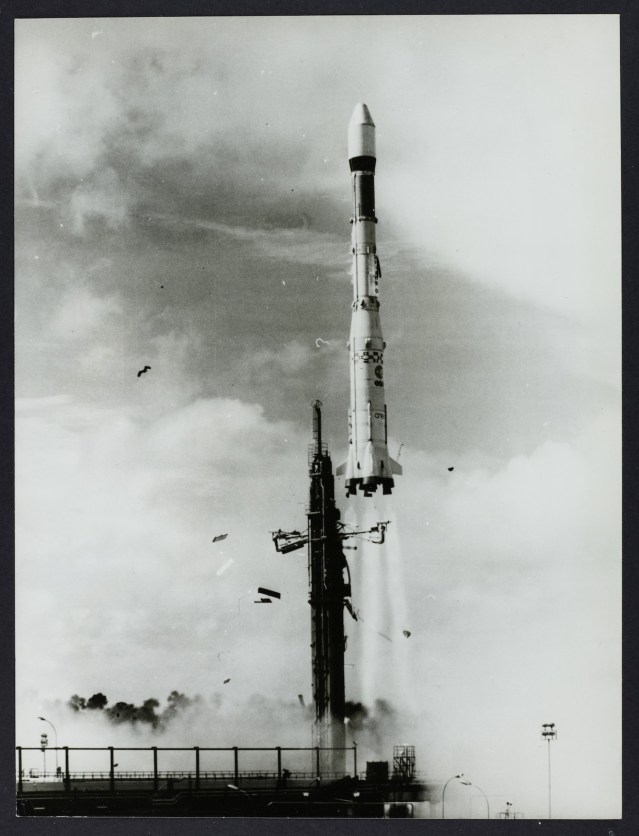
From the 18th century to the present day, the exhibition Explorations: A Matter of State traces the great explorations that France commissioned, prepared and conducted to the far reaches of known territories. The 18th century was dominated by intellectual, commercial and expansionist motivations. The 19th century was marked by scientific missions and territorial conquests linked to colonisation. At the end of the Second World War, the race to explore space and the depths of the ocean sought to reaffirm French power.
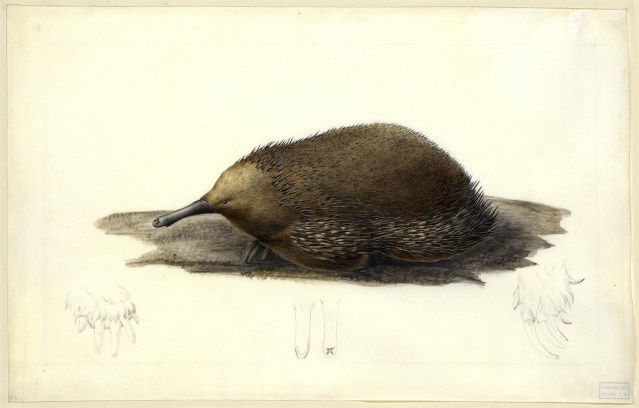
The show brings together intriguing objects, documents and works of art like a scale model of the Astrolabe, the legendary ship of the legendary Jean François de Galaup, comte de Lapérouse who died at sea in the Pacific, a painting of a funky-looking echidna from Tasmania, a cloth painting representing the life of Shenrab Miwo, the probable founder of the indigenous Bon religion of Tibet and a portrait of Colonel Sophie Adenot, a current French explorer. The exhibition, a discovery in and of itself, is on until August 16th, but the museum is worth a visit for its spectacular permanent collections, the golden dome and the tomb of Napoleon Bonaparte. 129 Rue de Grenelle, 75007 Paris, France. Tel: 01 44 42 38 77
https://www.musee-armee.fr/en/home.html
©Trish Valicenti for The Gourmet Gazette
Discover more from The Gourmet Gazette
Subscribe to get the latest posts sent to your email.
Categories: Gourmet Fair

