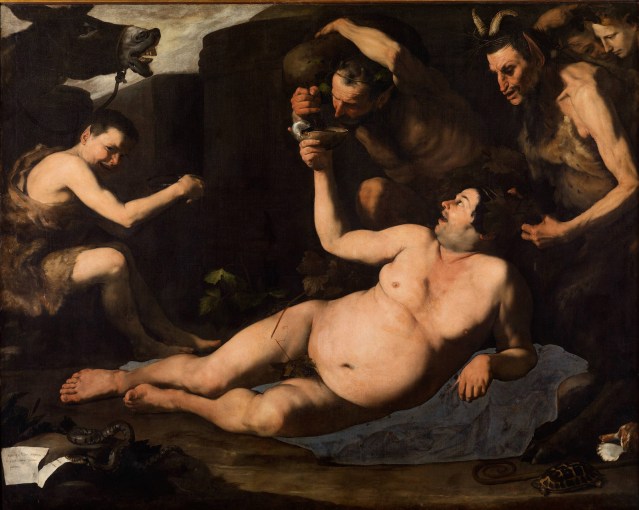
Paris, France — Martyrdom was his subject of predilection along with human cruelty. Brutal scenes of saints and satyrs, bound, flayed, crucified. All in agony. There is his Martyrdom of Saint Bartholomew, Apollo Flaying Marsyas, the Martyrdom of Saint Bartholomew and his Head of John the Baptist. Spanish painter, etcher and printmaker Jusepe de Ribera is regarded as one of the major artists of Spanish Baroque painting and one of the greatest artists of the 17th century. He spent his entire career in Italy mainly Naples, where he was known as the Lo Spagnoletto, the Little Spaniard.
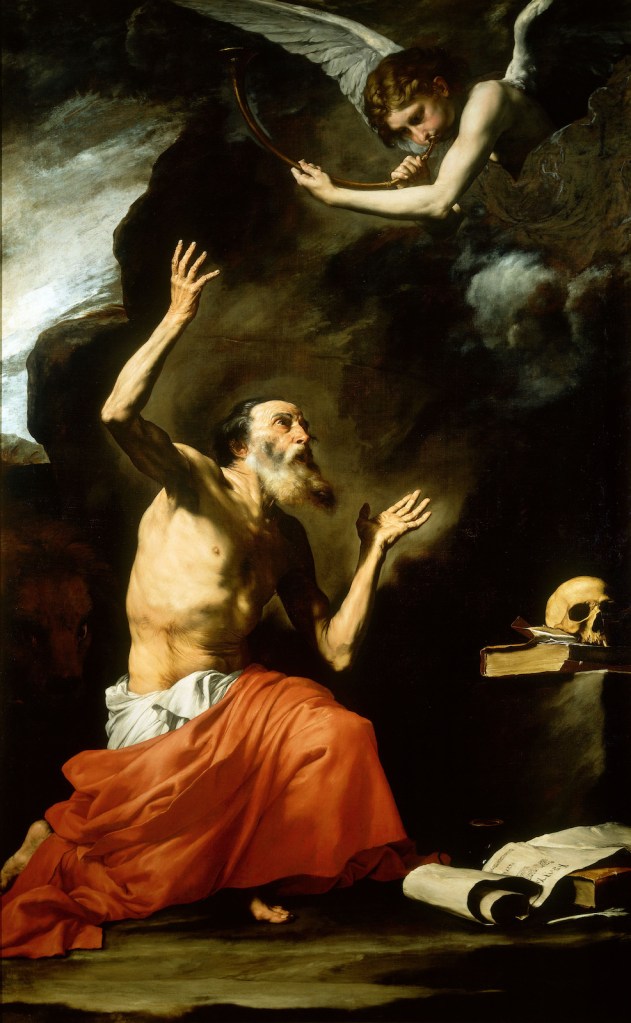
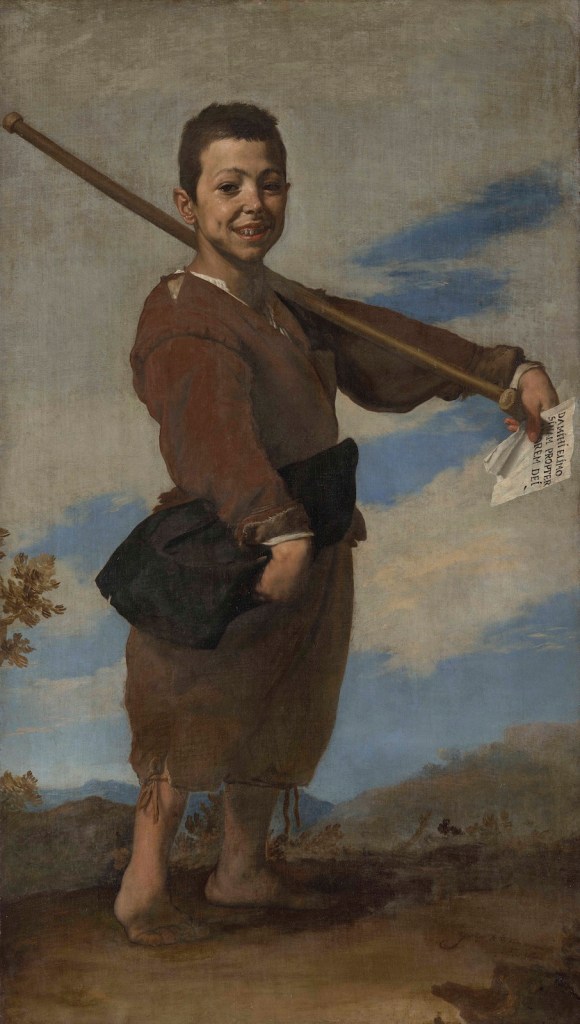
He arrived in Rome circa 1605 at the same time his mythical contemporary and source of inspiration Caravaggio left for Naples. He moved to Naples in 1616 which at the time was under Spanish rule. He also created historical paintings including traditional Biblical subjects, a series on the five senses and scenes from Greek mythology, like Silenius, drunk with Pan hanging around in the background. Highly realistic slices of daily life were a theme as well, notably his interpretation of a beggar looking straight into the « camera » so to speak, a clubfooted boy, and an exceptional portrait of a bearded woman with her husband and child, titled Portrait of Magadalena Venturi, rather taboo material in the 17th century or most centuries for that matter. He was the star of the Neapolitan art world for 40 years and favored with numerous commissions. By the end of his life he was the most in demand of the Caravaggisti, the followers of Caravaggio’s Baroque style, by the elite in the art world.
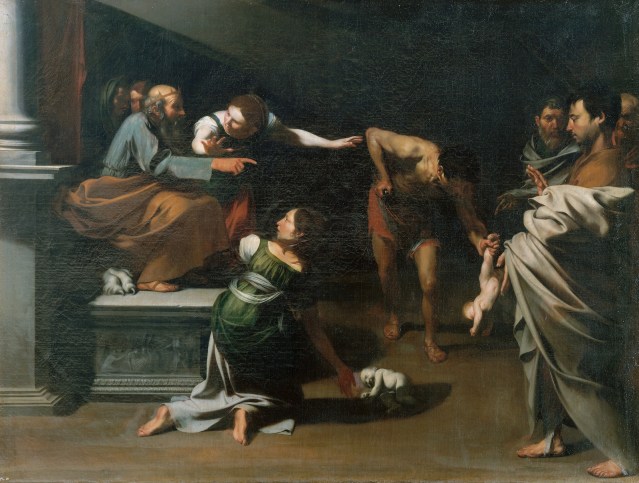
The Petit Palais museum in Paris is currently holding the first French retrospective devoted to Jusepe de Ribera bringing together over 100 paintings, drawings and prints from all over the world with loans from major institutions including the Louvre, the Metropolitan Museum of Art in New York, the Prado in Madrid and the Palazzo Pitti in Florence.
The show retraces Ribera’s entire career for the first time including the Roman years which have just recently been re-discovered and presents new scientific evidence that enabled an exceptional ensemble of paintings to be re-attributed to Ribera. The show is entitled Shadows and Light, reflecting the darkness and lightness of his subjects as well as the shades of luminosity in the works of Ribera whose contemporaries considered to be « darker and more ferocious » than his master Caravaggio.
The Ribera show is on until February 23rd but the Petit Palais, the Museum of Fine Arts of the City of Paris, is worth a visit in and of itself for its permanent collections. Housed in a building that was built for the 1900 Universal Exhibition in Paris, its four wings revolve around a beautiful circular inner garden with its enticing café. Avenue Winston-Churchill, 75008 Paris, France. Tel: +33 1 53 43 40 00. https://www.petitpalais.paris.fr/en
©Trish Valicenti for The Gourmet Gazette
Discover more from The Gourmet Gazette
Subscribe to get the latest posts sent to your email.
Categories: Gourmet Fair
 The Gourmet Gazette