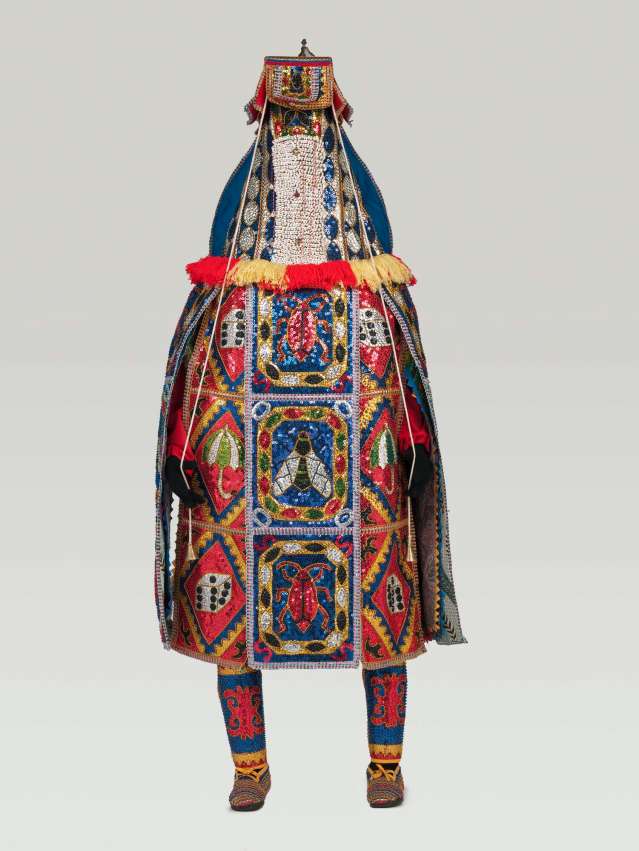
Paris, France — Cowry shells, an antelope horn and anthropomorphic masks. Annual festivals of spiritual well being, ritual objects that incarnate protective spirits. The world of the zombie has come to Paris in a fascinating exhibition being held at the Musée du Quai Branly-Jacques Chirac. The Oxford English Dictionary defines a zombie in several ways: the ghost or spirit of a dead person; a reanimated corpse, or a being likened to or resembling one. They are largely regarded in popular culture as dreadful demons of the dead come back to haunt us, usually in a mob-like fashion to make us one of their own. The cultural and folkloric reality is a different story. The exhibition currently underway in Paris entitled Zombies, Death is Not the End?, attempts to explain the difference between fantasy and scientific reality which as the show reveals, is not so easy to do.
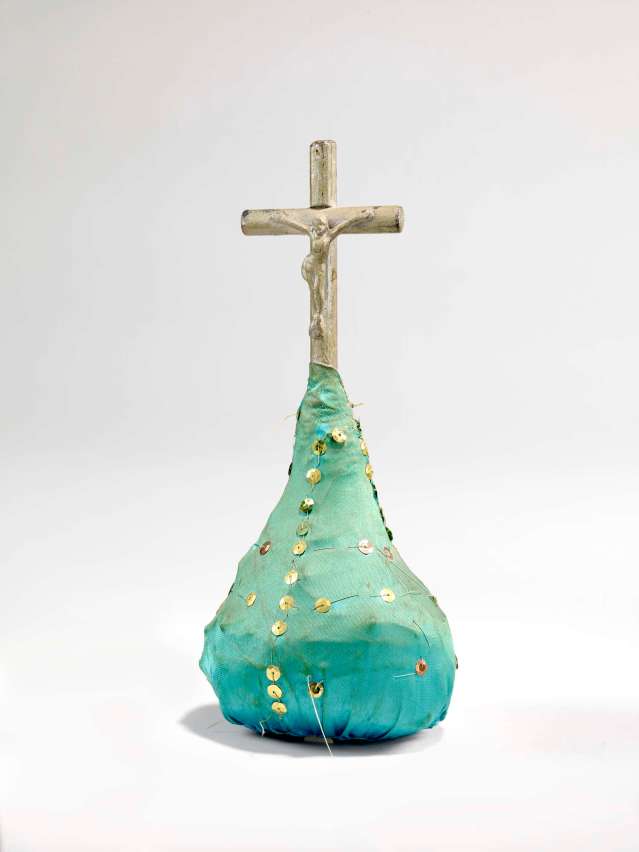
The exhibition transports the visitor to the Caribbean land of Haiti where the original meaning of the word zombie underwent a trans-Atlantic transformation. In Haiti the zombie came in contact with voodoo, a religion practiced in parts of the Caribbean, particularly Haiti and the southern United States which combines elements of Roman Catholic ritual with traditional West African magical and religious rites as well as a belief in sorcery and spirit possession. In Haiti on the fringes of voodoo culture, a secret society in charge of justice, the bizango society, has the power to turn a person into a zombie. Drugged, deprived of freedom and kept in a stupor, the zombie is in fact a slave in the service of a sorcerer (the bokor).
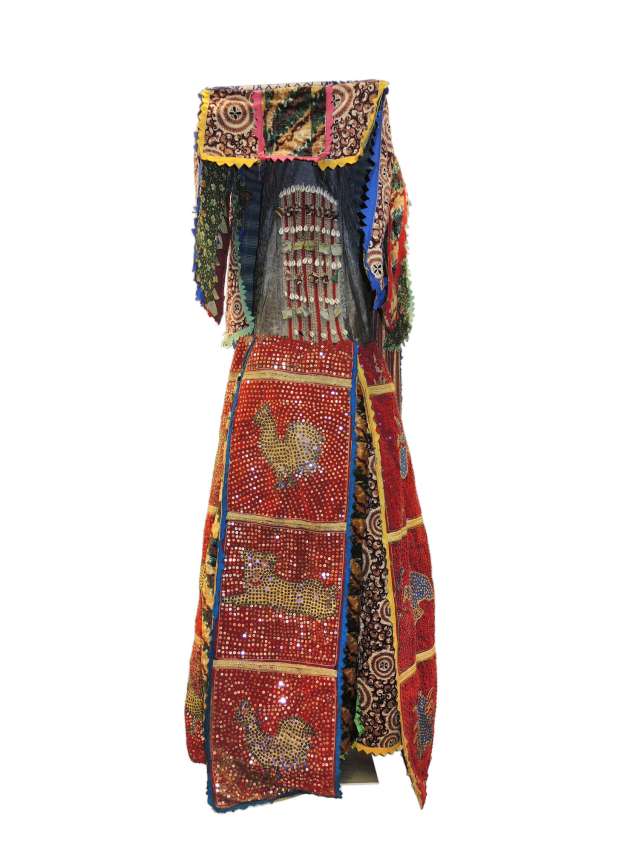
« For some, death is not the end. And particularly for zombies. So how do you become a zombie? Certain individuals who do wrong – especially those who have sold land that does not belong to them, which is a very serious offence in Haiti – run the risk of being judged by secret societies in charge of parallel justice, and of suffering a punishment “worse than death: zombification, » explains Philippe Charlier, the curator of the exhibition and Director of the Laboratory of Anthropology, Archaeology and Biology (LAAB),at the UFR Simone Veil – Santé UVSQ/Paris-Saclay University and a coroner, « They are then cursed and poisoned by a bokor, buried alive, exhumed, drugged and deprived of freedom and free will for the rest of their lives. »

The show brings together ritual objects, documents and spectacular recreations of a voodoo temple and cemetery. A section of the exhibition is devoted to the representation of zombies in popular culture, especially films. The zombie show is on until February 16th and the permanent collections of the museum devoted to the tribal arts of the world is worth a visit in and of itself. And not to be missed is the unique concert given by the Haitian voodoo priest, actor and dancer Erol Josué, entitled The Language of the Gods on February 2nd in the museum’s theater. https://www.quaibranly.fr/en/
Discover more from The Gourmet Gazette
Subscribe to get the latest posts sent to your email.
Categories: Everything Gourmet, Gourmet Fair
 The Gourmet Gazette