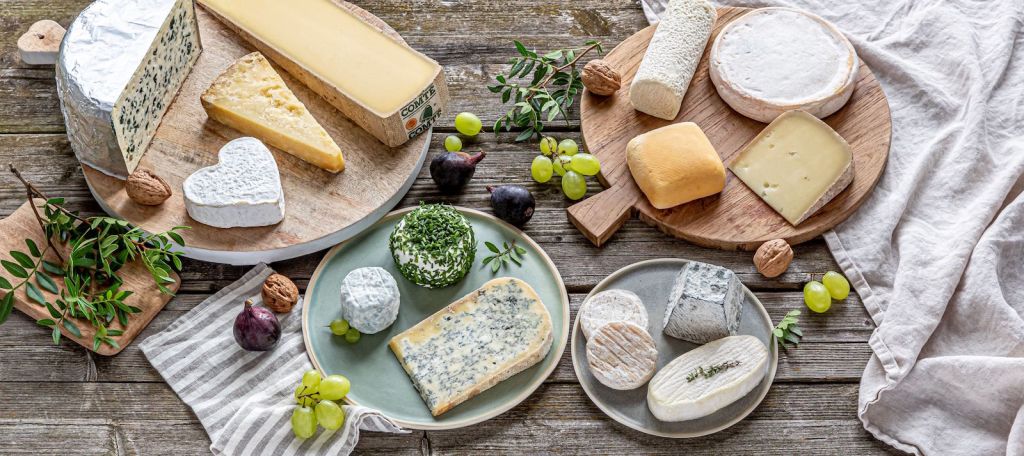
Paris, France — You can purchase raw milk products in some of the U.S. states, but with restrictions and usually only on the farm and there was a time in New York City when you needed a prescription to get a hold of raw milk. In the 1980s, when I went to the University of Vermont, one of the country’s great dairy states, I discovered Shelburne Farms, a family-owned farm whose specialty was raw milk. I bought it by the half gallons. They make Vermont cheddar cheese with raw milk, too. Then I went to France and raw milk cheeses and yogurts are made and sold all over the country from all kinds of milk: cow, goat and ewe. One out of every 10 cheeses in France is made out of raw milk and eight out of 10 AOP or designated label of origin cheeses are made from raw milk, according to the CNAOL, the French acronym for the National Council of Designated Labels of Origin Dairy Products.
There are the Camemberts and Livarots of Normandy in western France, the Reblochons, the Laguioles and the Tommes from the mountains. Sumptuous Roqueforts made with ewe’s milk and the myriad goat’s milk cheeses. Raw milk cheeses in France are made right on the farm from milk with the herds raised right on the farm. The milk cannot be heated to more than 104 degrees F (40 degrees C) before the fabrication process. Raw milk farm-made cheeses have the words fermier (farmer) and lait cru (raw milk) stamped on their packaging. Their flavors often reflect the pasture lands the herds graze in as well as the breed of cow, goat or sheep.
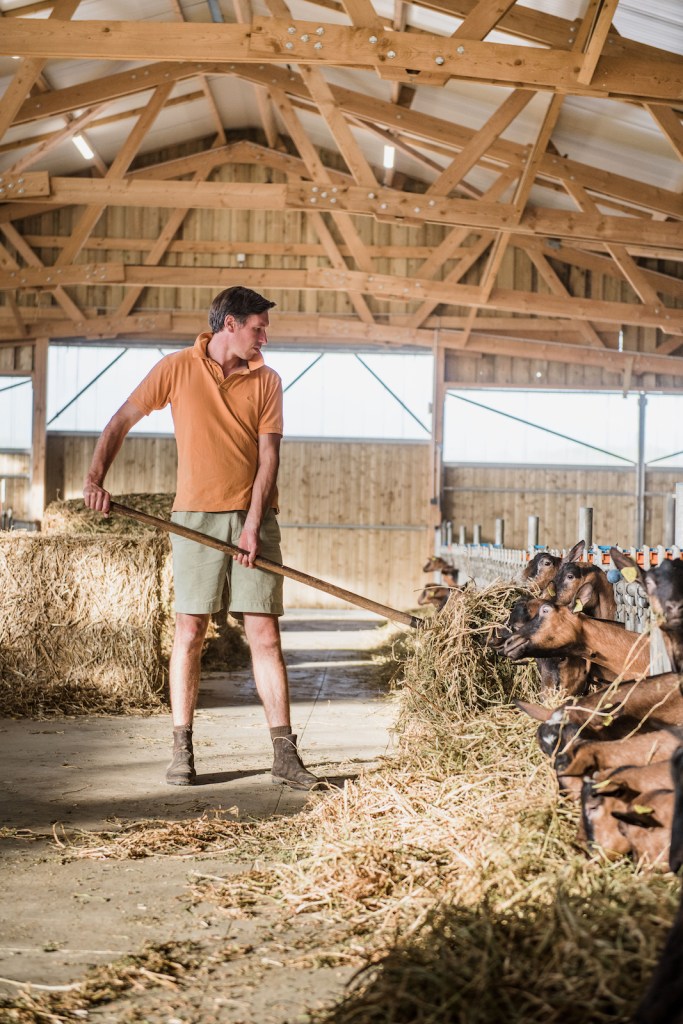
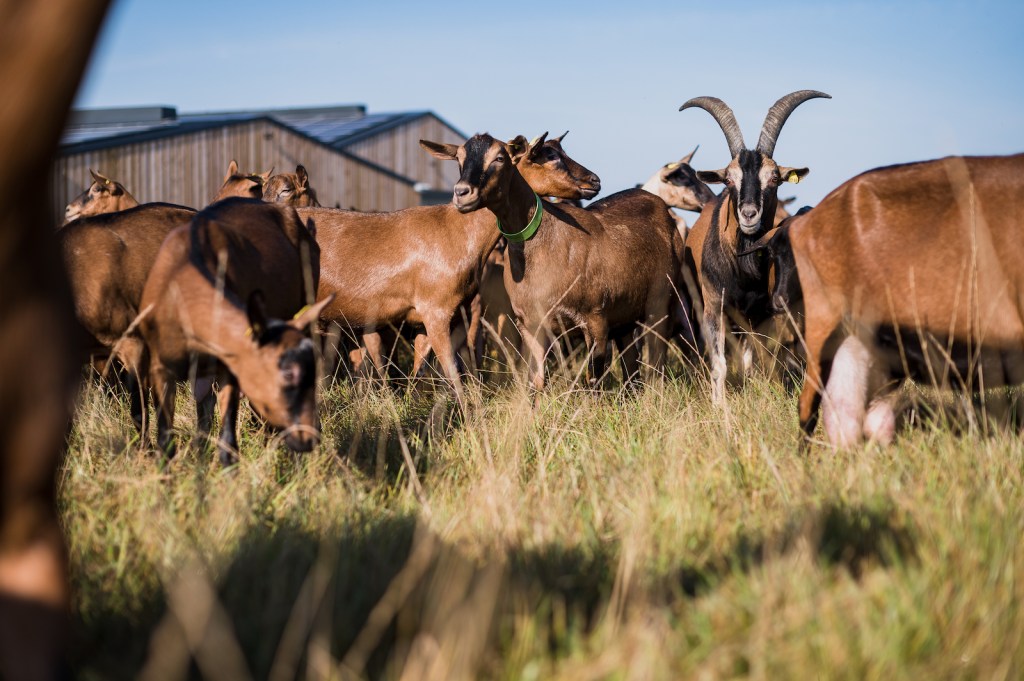
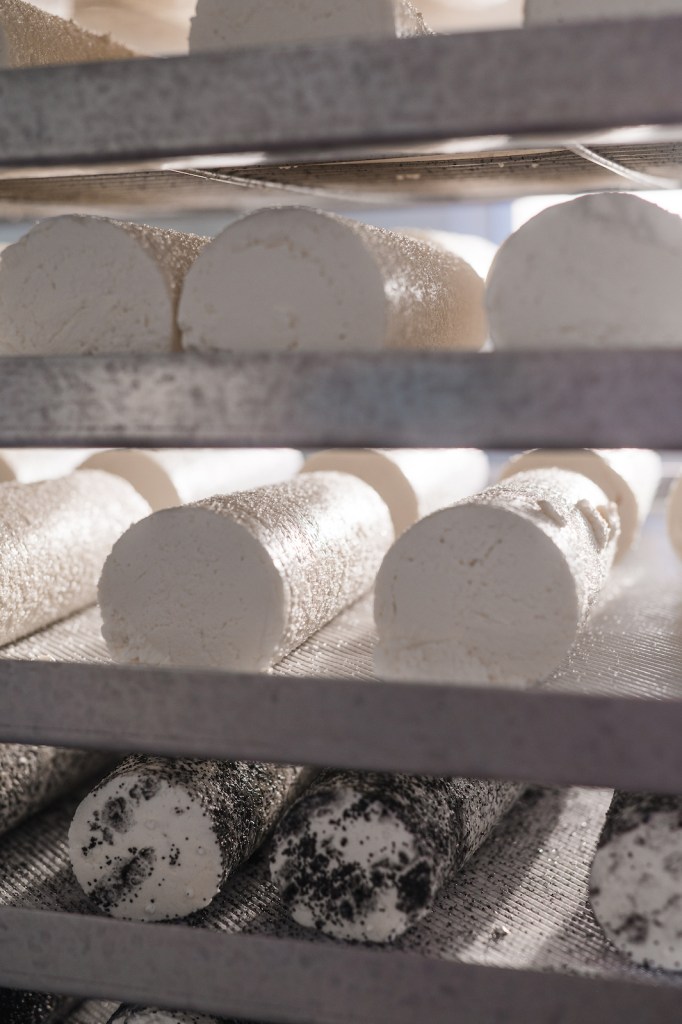
The Gourmet Gazette recently visited the farm of Bertin Moret in the rich farmlands of the Greater Paris region, just a 30-minute train ride from the French capital. Here in a small village in the Seine-et-Marne region, the fifth generation of the family tends the land, Clément, Mathilde and Bertin, a trio of cousins. Here are raised 200 Alpine goats that feed on cereals grown on the farm and produce some 53,000 gallons (200,000 liters) of milk annually producing over a 10-month period. Daily production ranges in the neighborhood of 211 gallons (800 liters). For an individual goat cheese, known as a crottin, one quart (one liter) of milk is required. The farm transforms the raw milk into a host of different goat cheeses, yogurts, and milk which can be purchased directly on the farm. You can also make arrangements to attend the 5pm milking session. But If you are returning to or visiting a country that has restrictions on agriculture, look into any rules concerning farm visits.

According to several studies cited by the CNAOL, notably the EU-funded Pasture Study Group, the consumption of raw milk products by children lowers the risk of allergies and respiratory infections. However the CNAOL also recommends that children under five, pregnant women and people with compromised immune systems, not to consume raw milk products. However the good news here is that pressed cooked cheeses with a hard rind are an exception and these include the delicious Beauforts, Comtés and Emmenthals. ©Trish Valicenti. Additional reporting Sylvain Loire. Special to The Gourmet Gazette.
http://www.fromagesaulaitcru.fr
Discover more from The Gourmet Gazette
Subscribe to get the latest posts sent to your email.
Categories: Everything Gourmet, Gourmet Fare
 The Gourmet Gazette