Paris, France — The largest nature conservation conference drew to a close on November 2nd in Colombia without reaching an agreement to ramp up a game plan and spending to protect the diverse species of our world. The 16th Conference of Parties (COP16) to the United Nations’ Convention on Biological Diversity did not make any notable advances in hastening progress to stop or even slow down the destruction of nature by the usual suspects, humans. According to the International Union for the Conservation of Nature (IUCN) more than 46,300 species are threatened with extinction. Fortunately some humans are working to protect species and the planet’s biodiversity.

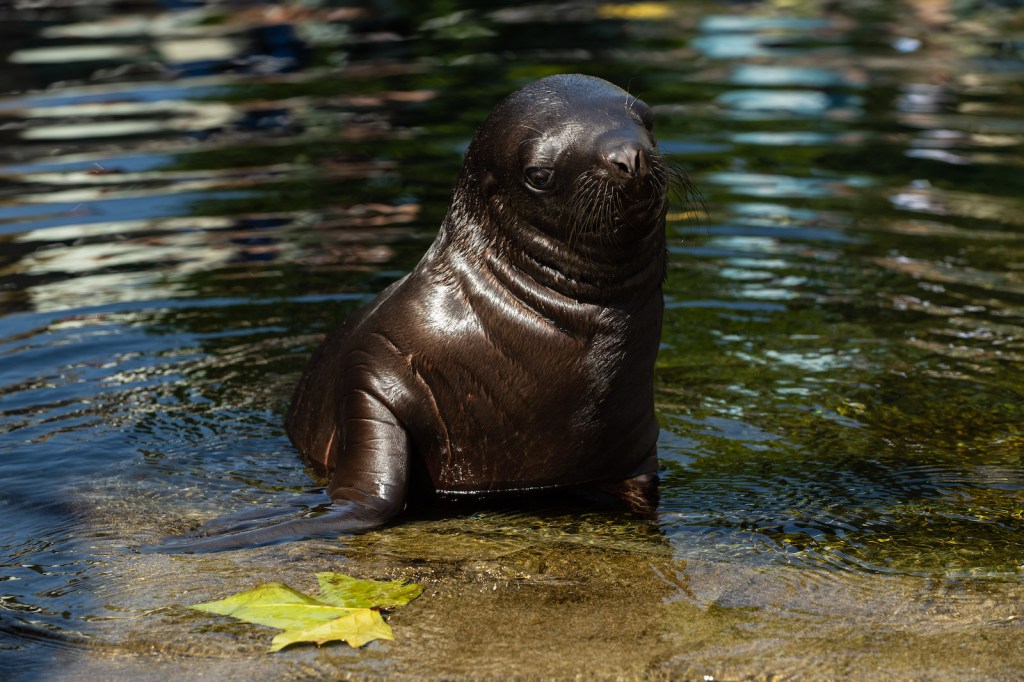
The Zoological Park of Paris, which is operated by the National Natural History Museum has had some 130 births since the beginning of the year with some of the species involved in captive breeding programs to shore up numbers in the wild and to maintain genetic diversity within a captive population. One of the more endearing newborns was a female Patagonian sea lion born last July 28 weighing in at 28 pounds (12.8 kilos) and whose birth greatly contributed to the European reproduction program for this species. Current populations of this species in the wild have been assessed by the IUCN as stable, for now.

Meanwhile a red-bellied lemur was born in the Zoological Park’s Madagascar bio-zone. This is the second lemur of this species to be born in the Parisian park . And this is a success for conservation of the species which is listed as vulnerable according to the IUCN. Its numbers have declined by more than 30% in the forests of Madagascar, often collateral damage from the practice of slash and burn agriculture as well as logging and wood harvesting. The population of these lemurs is also severely fragmented. Meanwhile another tiny creature of Madagascar weighing in at less than half an ounce (12 grams) hatched out of its egg after seven months of an incubation controlled by the keepers backstage at the reptile house. This beautifully-patterned spider tortoise is found only in the sandy coastal areas of southwestern Madagascar. This birth in captivity was of great importance to the conservation of this species which is listed as critically endangered by the IUCN. This ravishing reptile can live to be 70-years-old.
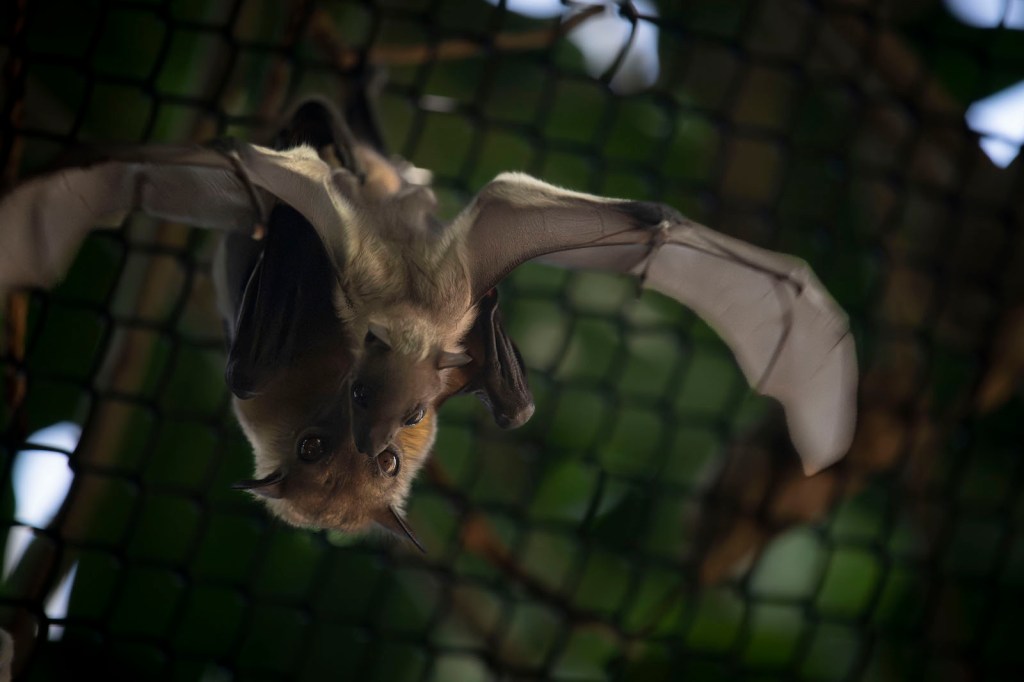
Other births at the Parisian Zoological Park included seven African straw-colored fruit bats whose numbers are declining in the wild and are listed as near threatened by the IUCN. A tiny pudu was born as well this year. This South American species is the world’s smallest deer and the southern pudu is listed as near threatened while there is a data deficiency for the northern pudu. Six Humboldt penguins (listed as vulnerable) were born inside the zoo as well. ©Trish Valicenti for The Gourmet Gazette. Parc zoologique de Paris, Avenue Daumesnil, 75012 Paris, in the Bois de Vincennes woods.+ 33 (0)1 44 75 20 00. https://www.parczoologiquedeparis.fr/fr
See also:
Discover more from The Gourmet Gazette
Subscribe to get the latest posts sent to your email.
Categories: Gourmet Fair
 The Gourmet Gazette
1 reply »