
Jouy-en-Josas, France — Lovers of a good night’s sleep have always known about the wonders of a horsehair mattress. It is just one of life’s affordable luxuries, well somewhat affordable. But horsehair, taken mainly from the tail and manes of horse, has been over the centuries put to a number of good uses: fashionable hats, paint brushes, hair brushes, bows for musical instruments, fishing lines and more, much more as displayed in an exhibition currently underway in the Musée de la Toile de Jouy just outside of Paris and not far from Versailles where the equestrian events for the Olympics and Paralympics were resoundingly held this summer. Entitled Le Crin dans tous ses éclats meaning horse hair in all of its splendor, the exhibition offers a discovery of this fibre which has been used by mankind through the ages and this since pre-historic times. And it played an emblematic role in the region of Jouy-en-Josas where the local nobility and bourgeoisie took to the hunt.

Fine and flexible, horsehair fabrics are woven from the wefts of tail and mane hair taken from horses. It is a long lasting fibre outfitted with great luster and can be easily dyed. The show brings together some 60 pieces and objects illustrating the myriad uses of horsehair and delves into horsehair weaving, a traditional savoir-faire that has existed in Europe since the 17th century but had already existed in Asian societies centuries before. Today a workshop in France perpetuates the tradition using Jacquard looms, producing fabrics for the textile house of Métaphores. Those not very practical, rather stiff petticoats known as crinolines of the 19th century were made of horsehair and the word, crinoline, is derived from the French word for horsehair, crin. The show also delves into its use in furnishings past and present and contemporary art works and creations underscoring the ongoing fascination for this unique fibre.
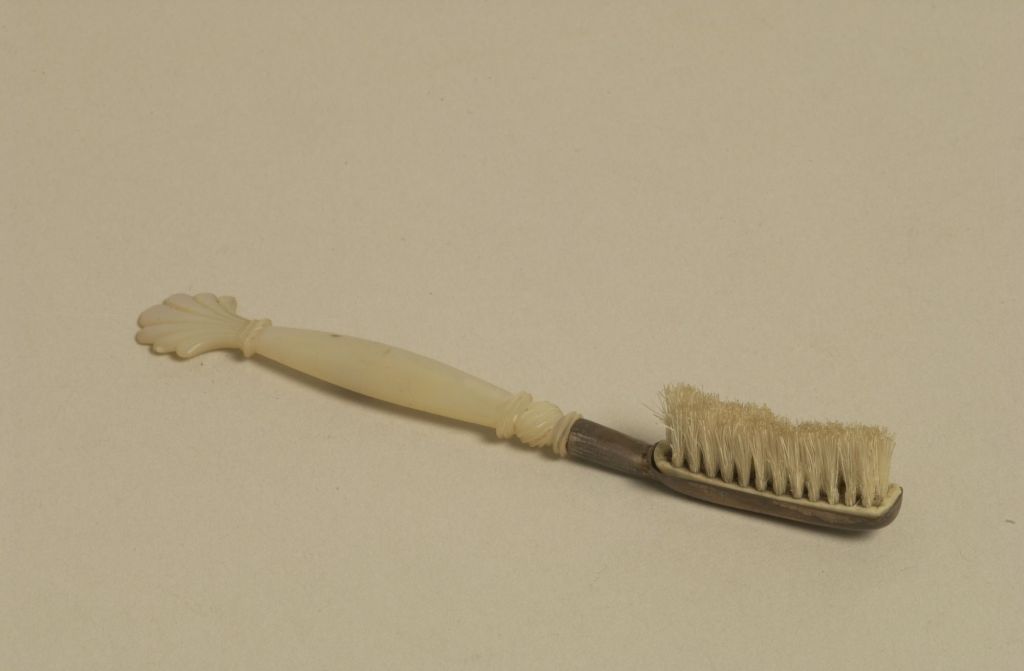
It is just another aspect of what this noble being, the horse, has given to mankind over the years. The horse has worked side by side with man on the fields of farms and the fields of battle, becoming a major mode of transportation until the post-World War I era. They remain a symbol of prestige, strength, vitality and then there are the great leisure and sporting activities associated with the horse from hunting, to dressage to the great thrill of the steeple chase. In pre-historic times horsehair was used to sew together pelts, and in the modern era in agriculture to fashion harnesses and to decorate military uniforms.
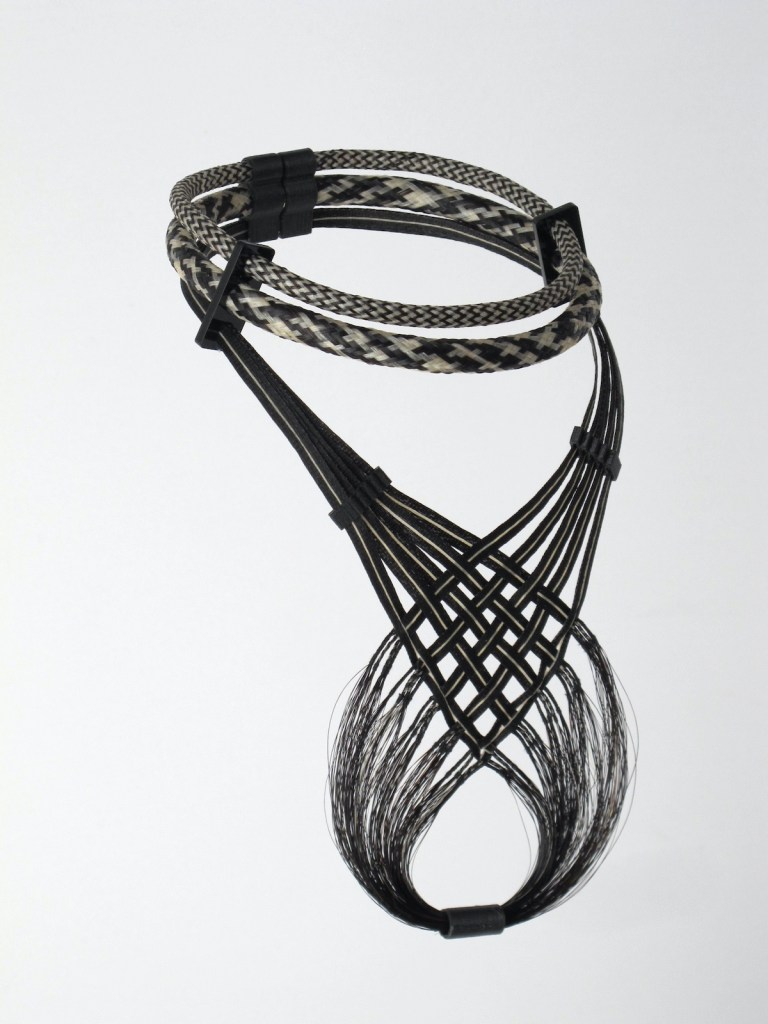
The Musée de la Toile de Jouy, founded in 1977, is located in the Château de l’Églantine, in the heart of the scenic Yvelines region west of Paris. It was created to conserve the memory of the production of the world-famous Jouy fabric. The Jouy fabrics were produced in the Manufacture Oberkampf in Jouy-en-Josas, between 1760 and 1843. Jouy fabrics are cottons produced in over 30,000 patterns. A boutique offers a variety of items made with the fabrics in the Jouy repertoire. The exhibition, which has received the Olympiade Culturelle label, is on until January 12th 2025. Workshops for children and adults, conferences, guided tours of the museum’s permanent collections and a string concert round out the agenda. ©Trish Valicenti for The Gourmet Gazette. Château de l’Eglantine, 54, rue Charles de Gaulle 78 350 Jouy-en-Josas, France. Tuesdays: 2pm until 6pm; Wednesdays to Sundays: 11am until 6pm. Tel: +33 (0) 1 39 56 48 64. https://www.museedelatoiledejouy.fr
Discover more from The Gourmet Gazette
Subscribe to get the latest posts sent to your email.
Categories: Gourmet Fair, Gourmet Wear
 The Gourmet Gazette