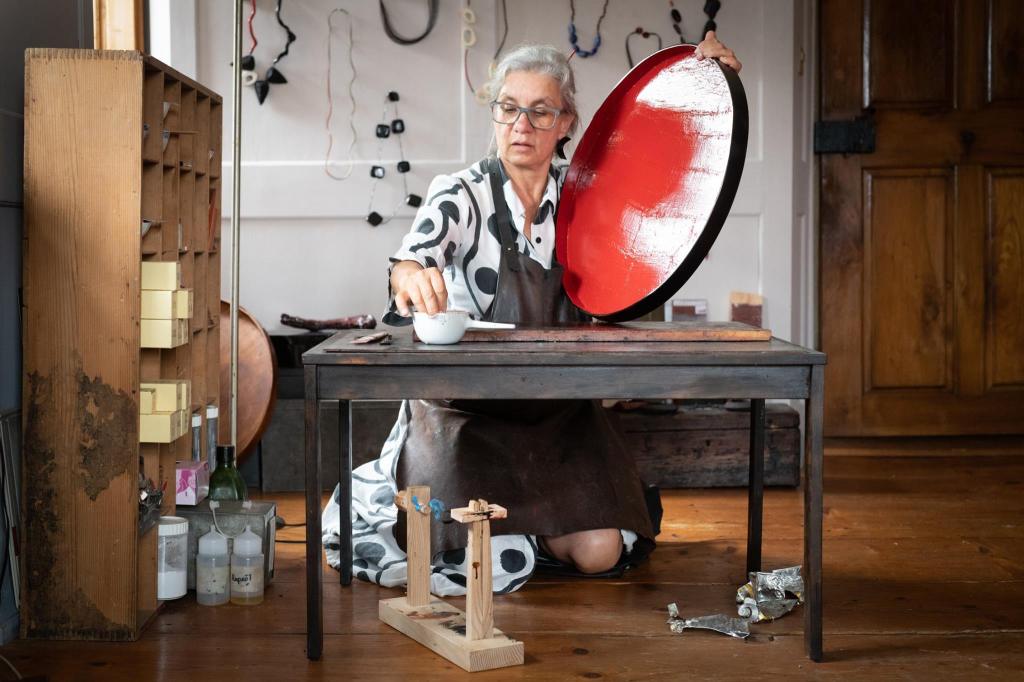
Paris, France — The wondrous world of natural lacquer is unfolding on the Left Bank of the Seine at the Galerie Anne-Sophie Duval. Beautiful pieces of hand-crafted jewelry, objects and furniture invite the visitor into this mysterious art form that originated in Asia thousands of years ago and continues to fascinate today. Irish designer Eileen Grey and Jean Dunand showcased the art and craft of laquer in their works in the Art Deco period while contemporary Swiss artist Salomé Lippuner and French designer Sylvain Dubuisson have kept the flame alive and well. Works by both artists are on display at the gallery along with several pieces by two celebrated masters of lacquer art: Katsu Hamanaka and Jean Dunand.
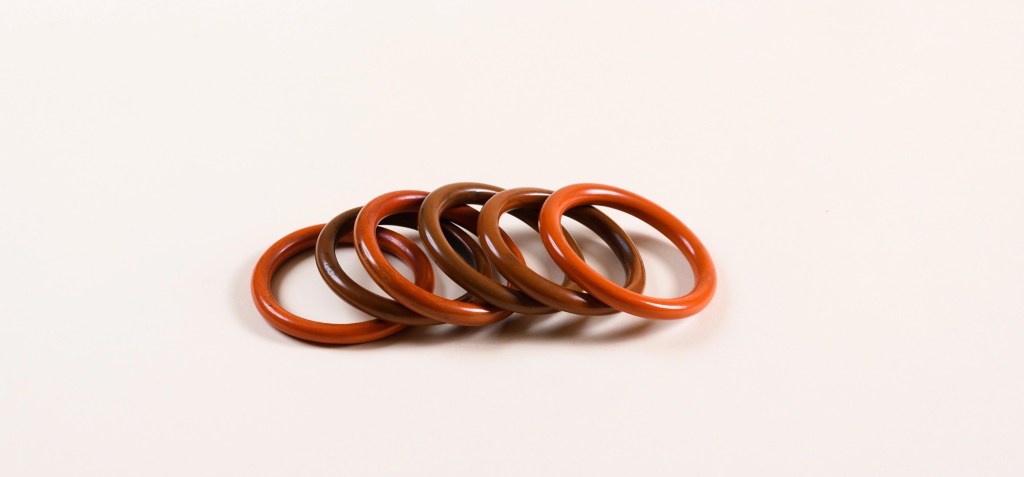
East Asian lacquer is a resin made from the highly toxic sap of the Rhus verniciflua tree, which is native to the area and a close relative of poison ivy. In essence, lacquer is a natural plastic; it is remarkably resistant to water, acid, and, to a certain extent, heat. High-quality lacquer may require thirty or more coats, its production is time-consuming and extremely costly. In Japan it is called Urushi and is made from the sap of the sumac tree. Salomé Lippuner began her journeys to Japan in 2002 and specifically to Wajima, the cradle of Urushi lacquer and there Japanese craftsmen taught her this art of millennia. Ms. Lippuner, who trained as a goldsmith and jeweler in Zurich, began creating lacquer jewelry using the Wajima-nuri technique with its 30 coats of Urushi natural lacquer, long drying periods and polishing to a lustrous shimmer, resulting in brilliant, silky and robust surfaces. An engaging book in French and English, Salomé Lippuner, the Timeless Glow of Lacquer, dedicated to the jewelry artist’s journey and the tradition of Japanese lacquer and lacquerware has been published by the house of Gourcuff Gradenigo.
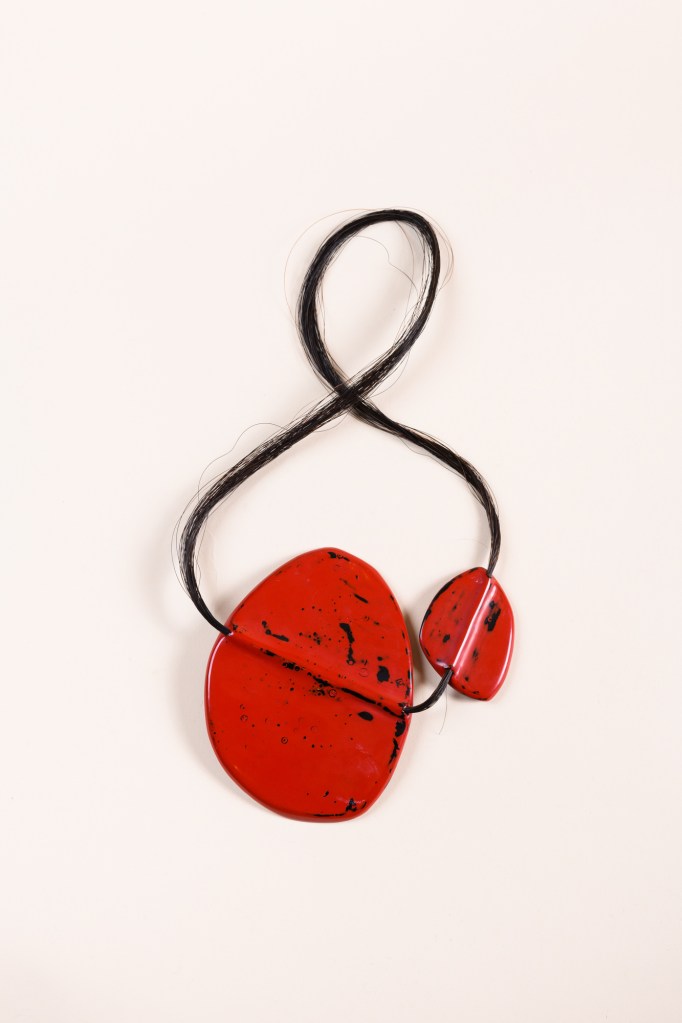
The word lacquer is derived from the Sanskrit word, laksa, a type of shellac resin secreted by the female lac bug on the trees in the forests of India and southeast Asia. Queen Marie-Antoinette of France was fond of Japanese lacquer and her collection is conserved at the Chateau of Versailles. Today, largely because of its popularity, artificial and synthetic lacquers pervade the marketplace. And natural lacquer jewelry, like the pieces fashioned by Salomé Lippuner, are extremely rare.
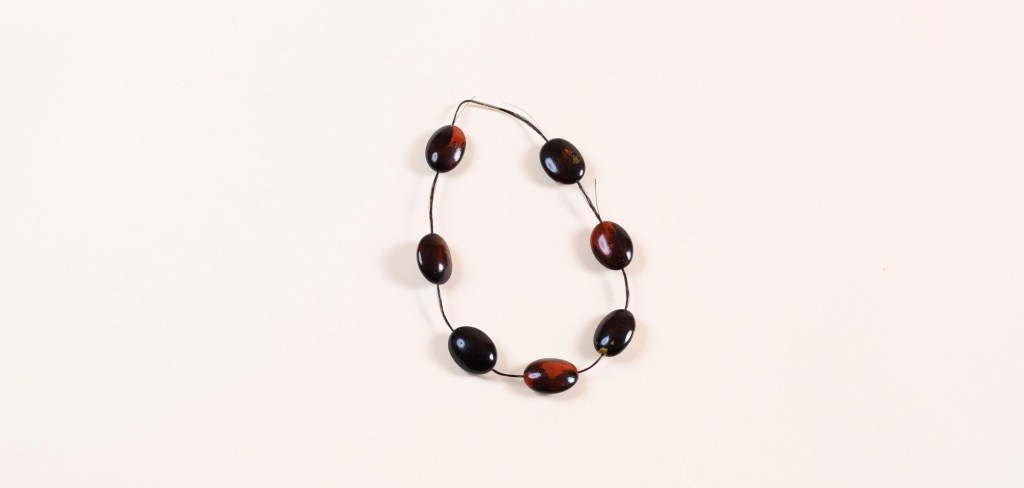
Wajima lacquerware is made with a high quality powder called jinoko (powdered diatomaceous soil), which can be found only in Wajima and which ensures the enduring durability of this lacquerware. Its origins remain shrouded in mystery as it is attributed, variously, to a Buddhist monk either in the 14th, 15th, 16th or 17th century. It was commonly used as a household lacquerware for important ceremonial occasions because it is solid and sturdy. It was registered as a traditional craft by the Japanese government in 1975.
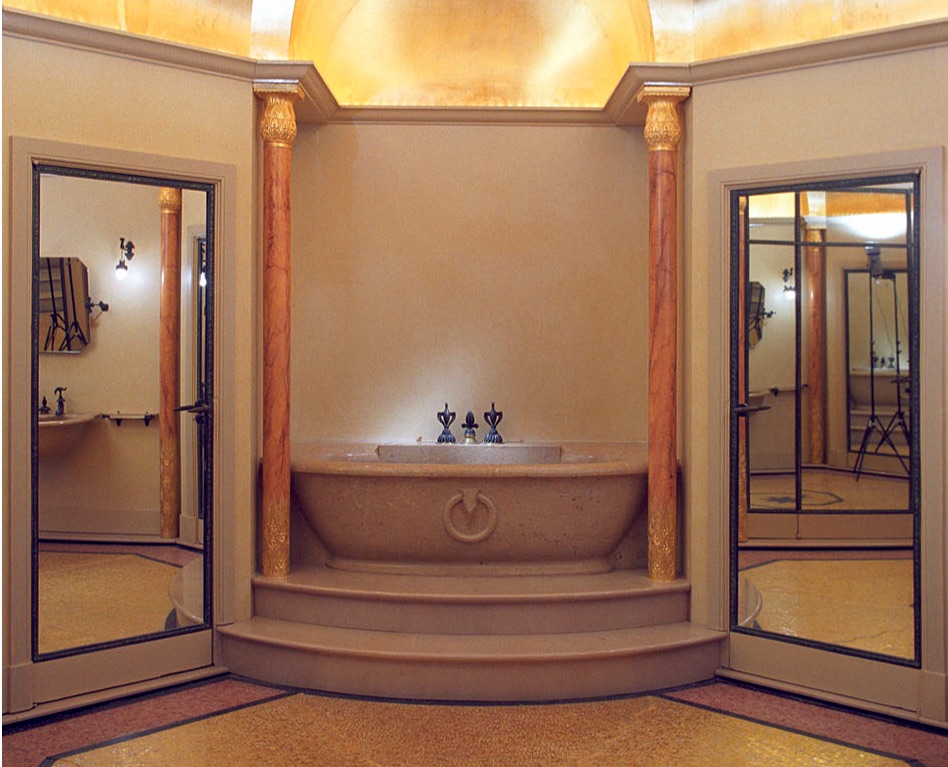
The Galerie Anne-Sophie Duval is located in an 18th century private mansion on the Seine and is specialized in Art Deco and the decorative arts of the 20th century. Today Julie Blum, Anne-Sophie Duval’s daughter and the granddaughter of the gallery’s founder, Yvette Barran, is at the helm of this gallery that has been directed solely by women since its inception, a rarity in a milieu that is mainly and historically masculine. The gallery recently created a sensation at Fine Arts Paris — presenting a major and unique display at the prestigious art fair of a Byzantine bathroom — in working condition — fashioned in 1928 by Armand-Albert Rateau. This astounding ensemble (pictured above) is still available and a model can be viewed in the gallery. Lacquer exhibition until January 30th. 5, quai Malaquais, 75006, Paris. Tel: + 33 (0) 1 43 54 51 16. https://www.annesophieduval.com/
©Trish Valicenti for The Gourmet Gazette
Discover more from The Gourmet Gazette
Subscribe to get the latest posts sent to your email.
Categories: Gourmet Fair, Gourmet Wear
 The Gourmet Gazette