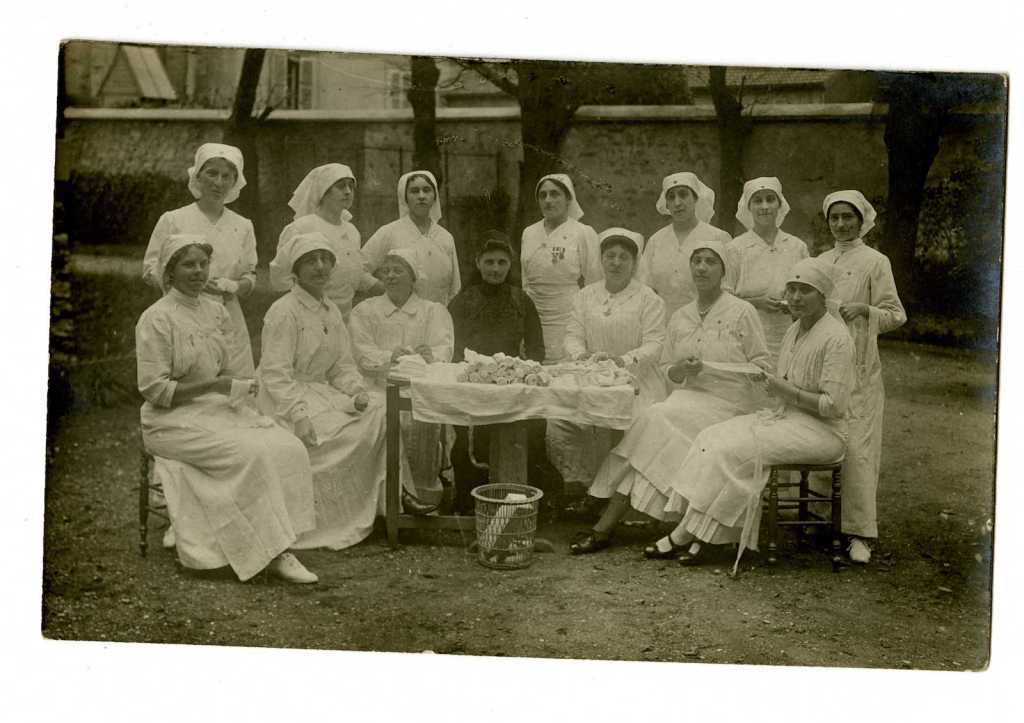
Meaux, France —The war raged. The wounded and suffering arrived, massively in 1914. World War I in France would become a turning point for the nursing profession, a profession which at that point was a profession that wasn’t particularly well-defined and for which diplomas had only been recently put into place. Few of the nurses had had professional training, many were from the religious orders like the Sisters of Charity of Saint Vincent De Paul who already in the 17th century organized community hospitals and which was established in the United States by Elizabeth Ann Seton. The French Red Cross and French women’s organizations would also train some 68,000 volunteer nurses, many of whom came from the upper classes of society and had no professional experience.
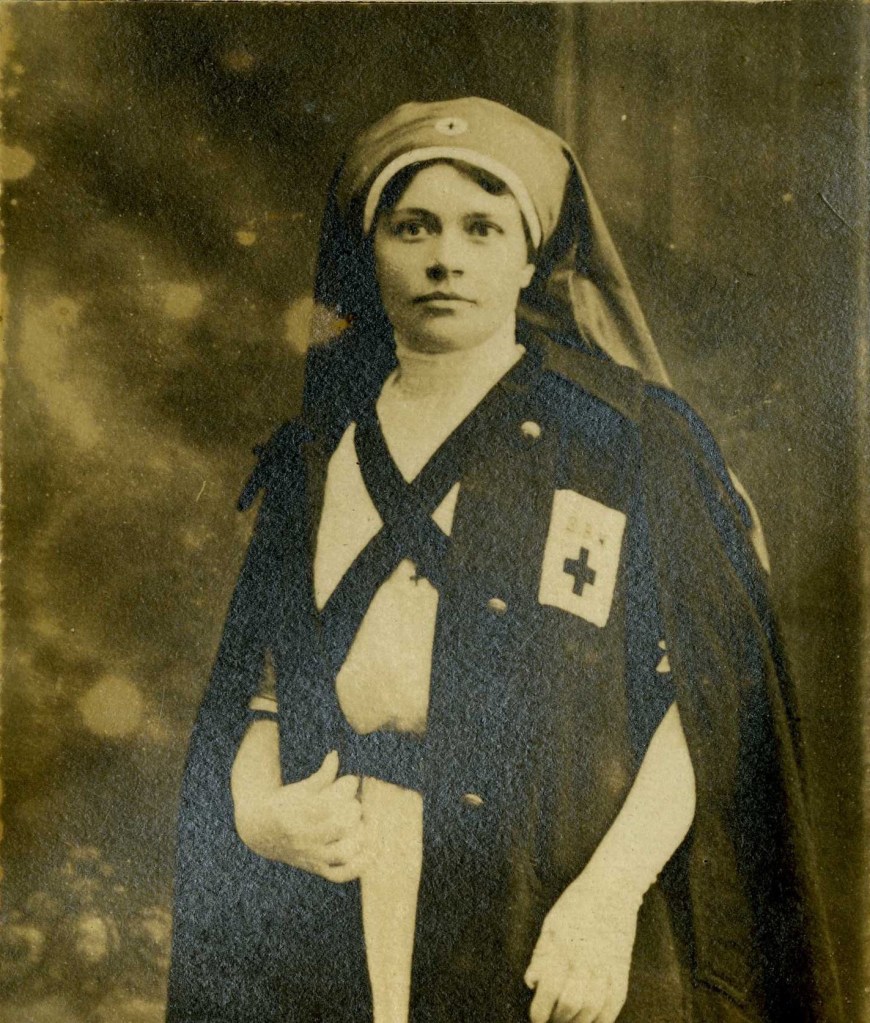
Portrait of a World War I nurse in France. Musée de la Grande Guerre, Meaux. Handout via The Gourmet Gazette
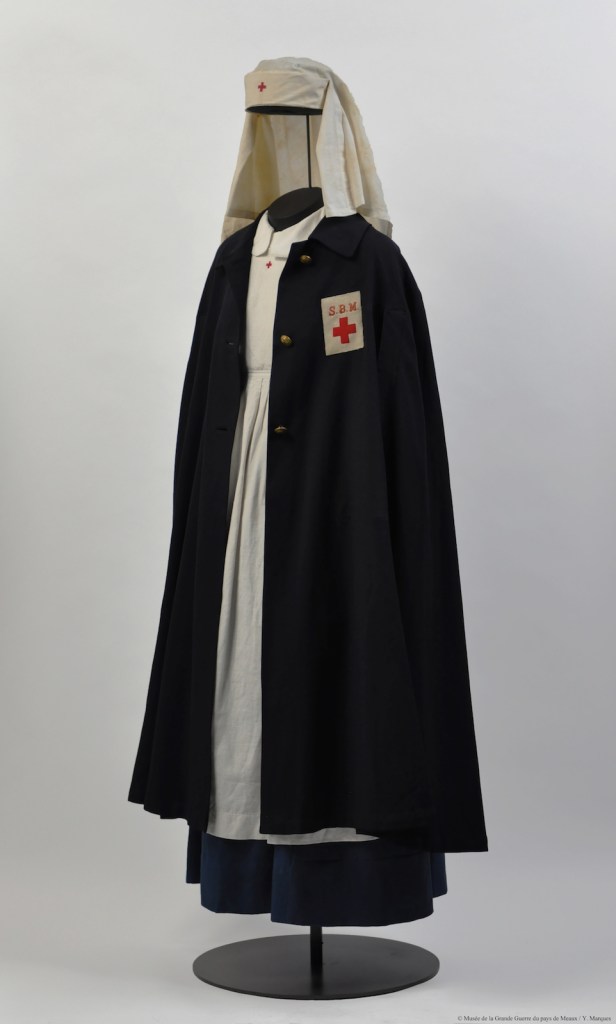
The Musée de la Grande Guerre (The Museum of the Great War) in Meaux, sits in the midst of the Marne Valley, one of the major theaters of World War I. The museum, mainly drawing on its extensive collections and with loans from other museums and private collections, is currently featuring a temporary exhibition devoted to World War I nurses entitled Nurses, the Silent Heroines of the Great War, through objects, uniforms, photographs, documents and archives enabling the visitor to understand the nature of nursing, and in some cases the nurses themselves for most of the uniforms and objects are identified, during the Great War.
The need for caregivers was enormous. There were only some 12,000 religious care givers and few professional nurses that were mobilized for a war that changed the face of warfare and required rapid changes and adaptations to known treatments. The nurses and caregivers from the religious orders were joined by women from the working class and the farms and villages of the countryside. The French Health Service trained specialized army nurses who numbered 5,000 by 1918. These women along with the entire medical profession would all have to adapt to patients wounded by a new range of weapons and warfare like shells, mustard gas, suffering from gaping wounds and illnesses specific to trench warfare: dysentery, typhus and the dreaded trench foot.
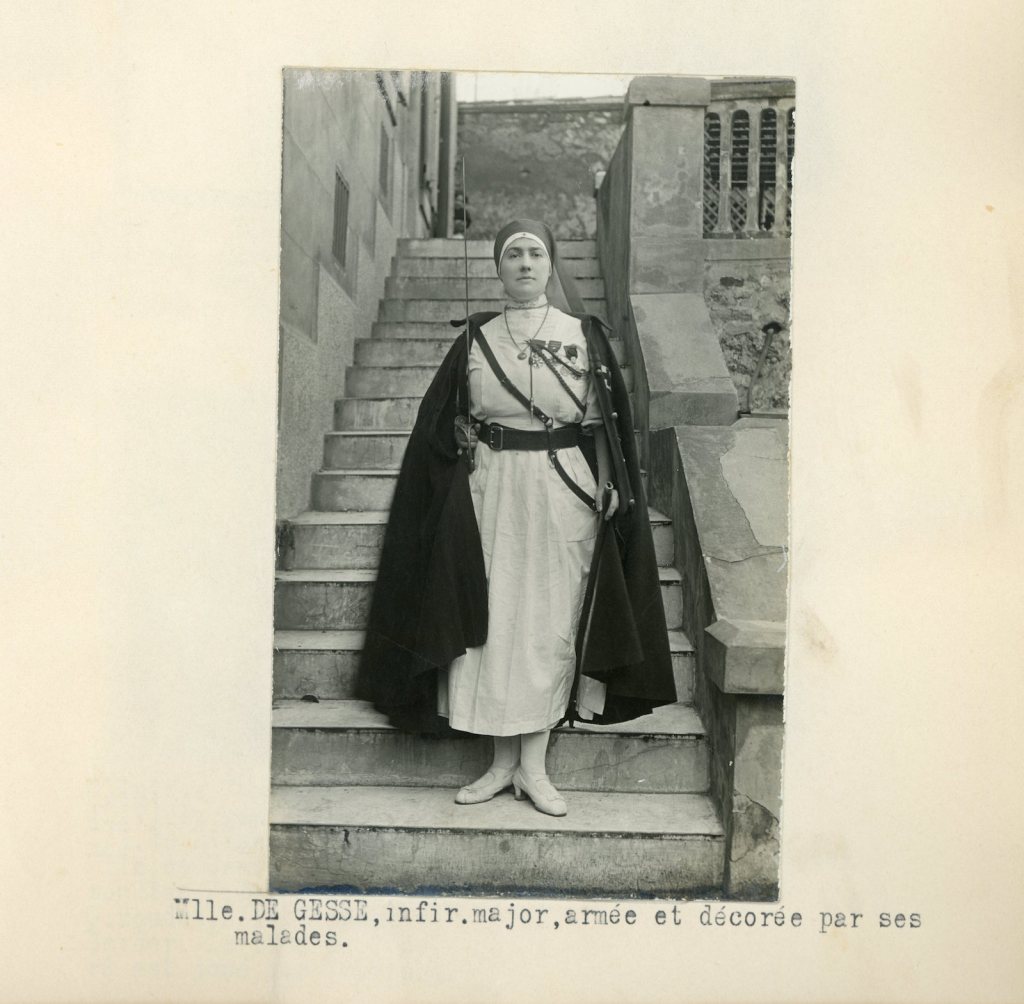
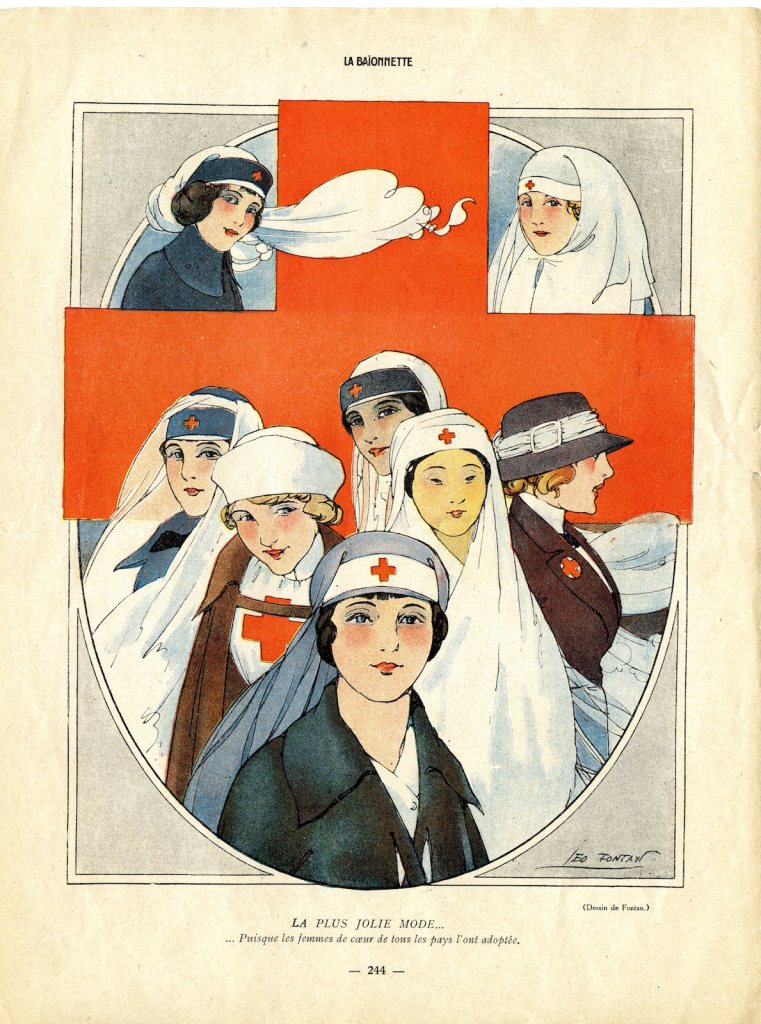
Nurses would become icons in France during World War I celebrated by the press. Even their uniforms, practical and simple, became fashionable. These were the white angels, devoted and competent women who washed, dressed wounds and helped those who were suffering, at times accompanying them in their very last moments.
The Musée de la Grande Guerre in Meaux, which opened its doors on November 11th, 2011 on the land of the first Battle of the Marne, is the largest museum in Europe devoted to World War I and is regarded as an institution of reference for the history of the Great War. It is worth a visit in and of itself. The nurses exhibition, which has been awarded the Exhibition of National Interest Label, is on through December 31st, 2023. ©Trish Valicenti for The Gourmet Gazette. https://www.museedelagrandeguerre.com/
Discover more from The Gourmet Gazette
Subscribe to get the latest posts sent to your email.
Categories: Gourmet Fair
 The Gourmet Gazette
Great article. I would love to have a tour of the WW I battlefields in France. Remember the Marne.
LikeLike
Great article ……very interesting. I Also would be very interested in visiting this museum.
LikeLike