
Paris, France — Lions and tigers and leopards, oh yes, but do you know all about Pallas’s Cat or the serval or the cloud leopard. There is even a fishing cat, a solitary feline that lives in the wetlands of southeast Asia. There are 38 species of felines roaming the planet, but for how long? Many of the species are endangered for they are confronted with numerous threats throughout the world, mainly from man (hunting, poaching, deforestation) and the continual encroachment of mankind. They appear in legends and lore and have been revered and feared since Antiquity. There is a cat mummy museum in Egypt in turn home to the cat-like Great Sphinx. The world of felines and the world surrounding them is being played out in an extensive exhibition at the Muséum national d’Histoire naturelle, France’ s national natural history museum, in Paris in a grand and grandiose exhibition entitled Felines.
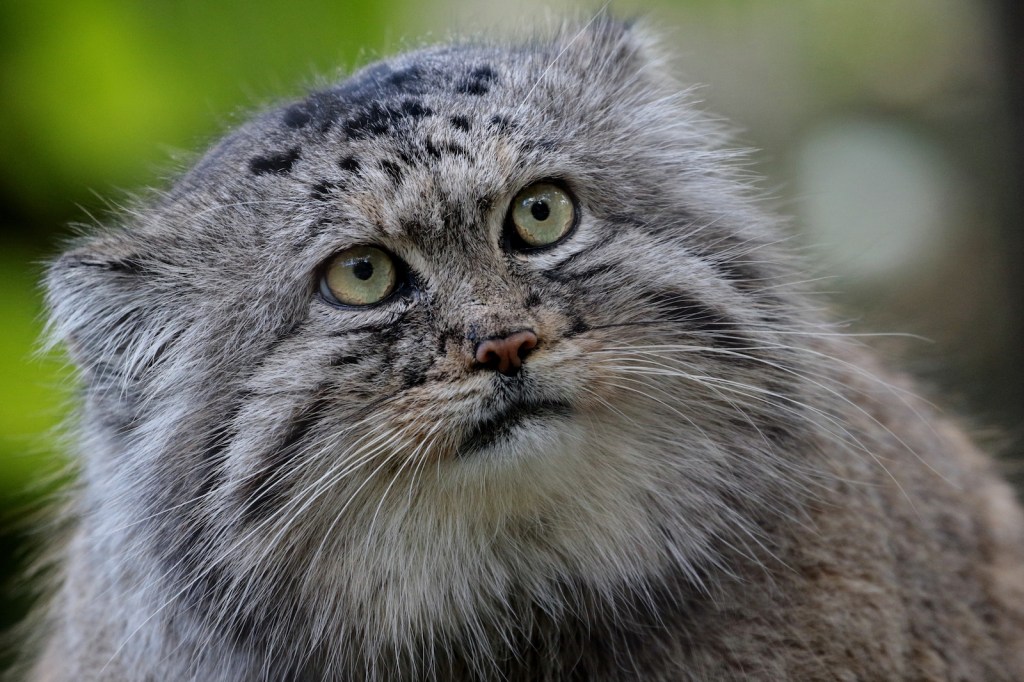
The museum possesses one of the most extensive collections of naturalized animals in the world and the cats, great and small, are no exception. The exhibition brings together 150 objects including 80 naturalized felines. The visitor discovers the ingenious characteristics of the feline: they all purr and no one has formally figured out why, when and how. Contentment, stress, does purring heal? Studies abound. The show underscores the unique features of felines, notably their highly developed senses. They also possess vibrissae, better known as whiskers but which are also found on their cheeks, chin, above the eyes and at the back of their back paws. These are specialized organs that enable them to detect nearby objects and to move around in the dark without bumping into things, like we would. Felines also have night vision.
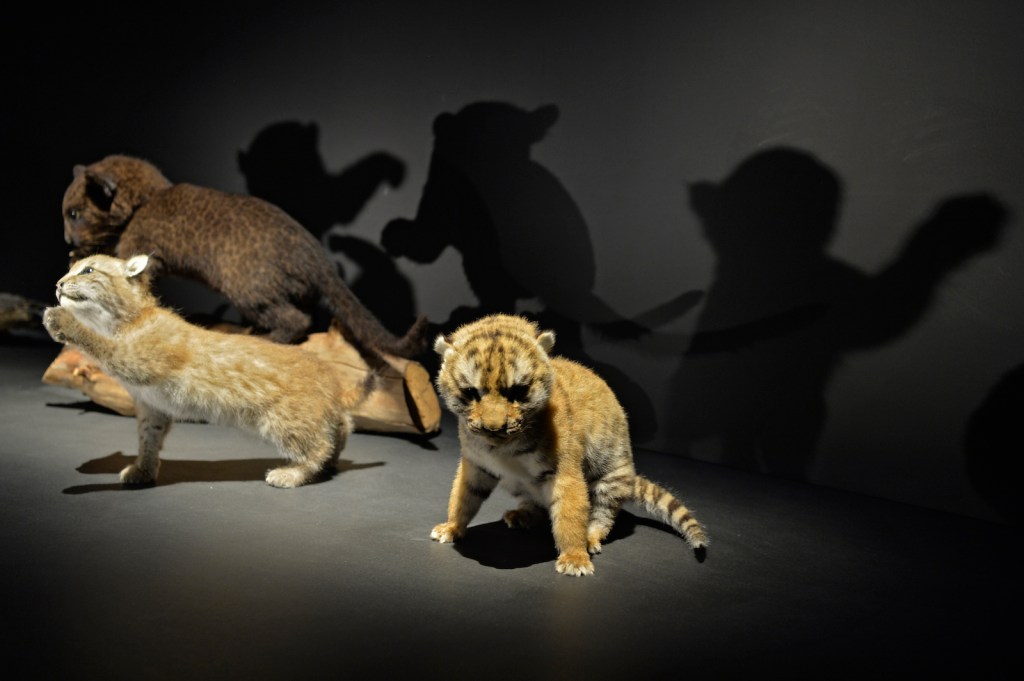
The exhibition explores the role of felines in civilizations dating back to Antiquity and into the present. For it is no secret that cats have in their own catlike way taken over the internet. Early Egyptian and Mesopotamian divinities, like Sekhmet the goddess of war with the head of a lion, were given feline attributes. Western cultures saw them as images of courage and nobility, a case in point King Richard I of England known as Richard the Lionheart. Fun fact: Louis XV of France introduced domestic cats into the court at Versailles which had previously seen only dogs, birds and the occasional monkey.
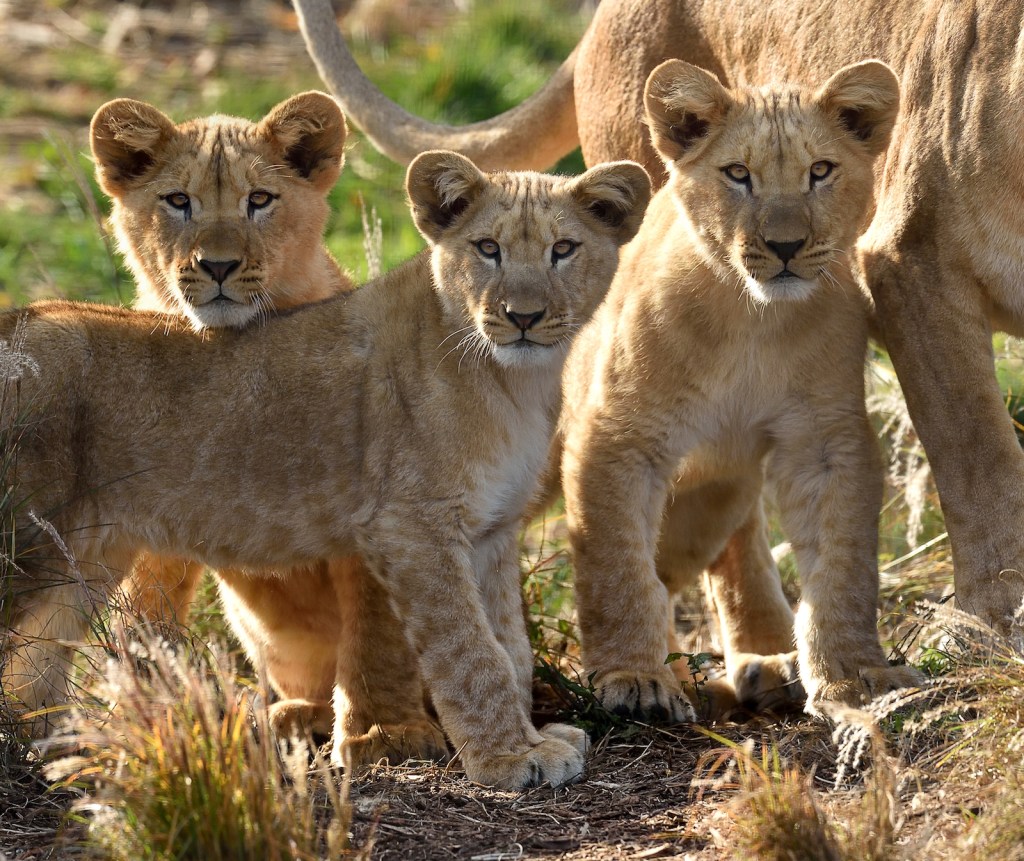
the Parc zoologique de Paris, the zoological park of Paris, in the Bois de Vincennes. Photo ©MNHN-F.J. Grandin. Handout via The Gourmet Gazette
The exhibition also takes a look at man’s relationship to the domestic cat of which there are more than 600 million in the world encompassing some 60 species. Conferences, documentary film projections, guided tours and workshops are all on the agenda. You can also post a picture, a story or a drawing of your cat on the museum’s social media sites. Running parallel to the exhibition at the museum is a visit at the beautifully renovated Zoological Park of Paris, which is part of the museum, in the Bois de Vincennes focusing in on predators. Not just felines but also birds, insects, snakes, frogs and others. The predator itinerary is on until November 5th while the Felines are on until April 21st, 2024. https://www.mnhn.fr/en
©Trish Valicenti for The Gourmet Gazette
Discover more from The Gourmet Gazette
Subscribe to get the latest posts sent to your email.
Categories: Gourmet Fair
 The Gourmet Gazette