Paris, France — La Monnaie de Paris, the French mint, sits majecticalsy on the banks of the Seine in Paris. It is arguably the oldest manufacture still in operation in the world as it has been minting coins since 864 and continues to do so. The institution hosts temporary exhibitions as well in addition to its permanent collections and visits to the actual mint to see the process. The current show is a fitting one indeed for it relates the complex and uncanny relationship between art and money. Money as it is depicted in art works, used in a transaction, as a messenger and illustrating its use in society and it also takes a look at the art market which began emerging in the 19th century and which today has become one of the most lucrative markets in the world. The extensive exhibition, entitled L’Argent dans l’Art (Money in Art), brings together some 200 works and kicks off with a look at ancient myths and the origins of money.
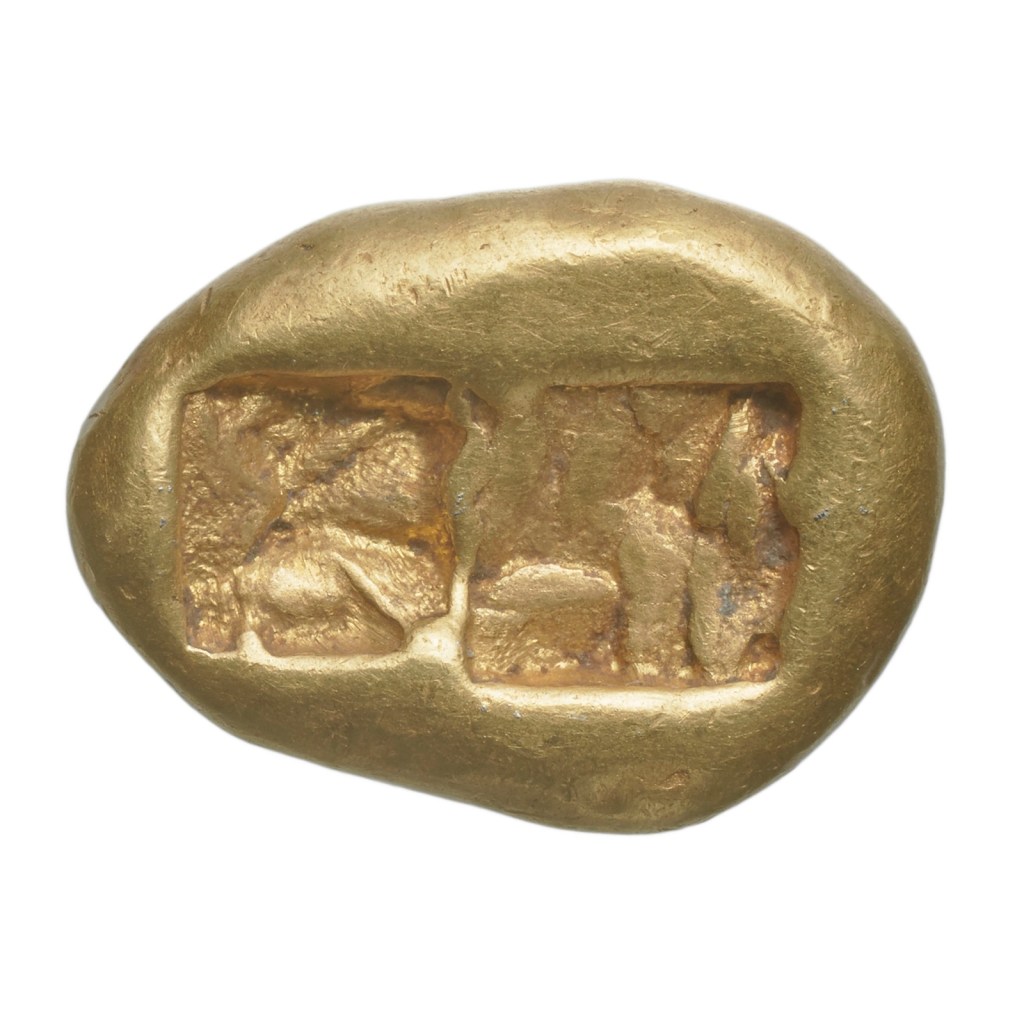
It all opens up with the story of Danaë being showered in gold by Zeus illustrated by an oil on canvas of the mythological character and a Greek vase from Antiquity, circa 430 B.C. Objects in gold can be traced back at least to the fifth millennium B.C. and gold was regarded as a treasure yet sacred as well. The Mesopotamians created their first jewels in gold circa 2600 B.C. The ancient Egyptians used it to decorate the tombs of their kings. The first gold coins appeared in 630 B.C. in Lydia under the legendary reign of Croesus. The Lydians invented metallic coinage and were the first people to establish permanent retail shops. Croesus, the last king of Lydia, was know far and wide for his great wealth. A piece of Lydian gold currency emanating from La Monnaie’s historical collections and dating from circa 561-541 B.C., in other words during the reign of Croesus, is on display in the exhibition.

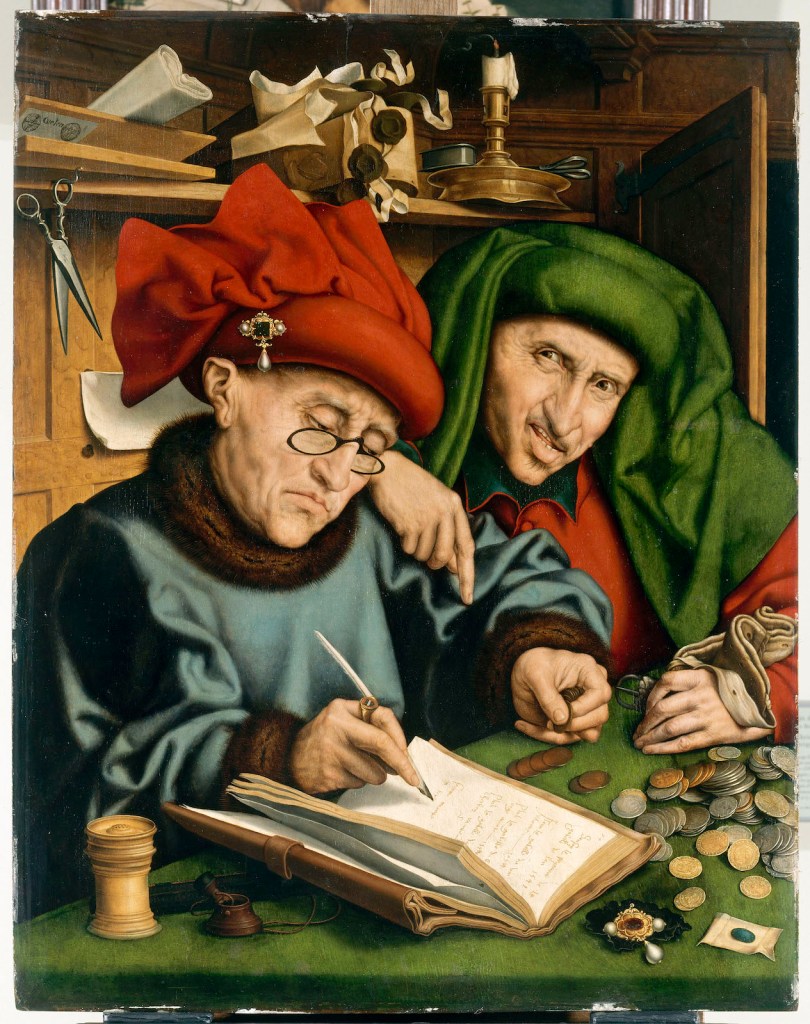
The show takes a look at unusual objects of desire that drew money, of note the tulip imported into Holland in the middle of the 17th century and which became so popular that its trading price literally exploded. The vast exhibition wends its way through the ages and includes some all not too flattering works depicting money lenders, tax collectors and bankers. Heading through to capitalism and its condemnation by the church, which collected money itself through tithes and during the offering at mass, through to the 19th and 20th centuries when money became a core business and entered dramatically into the world of art with the emerging art market. Guided tours, conferences and workshops are all on the agenda. The exhibition is running through September 24th. Entrance to the permanent collections and the exhibition is free from August 1st until August 31st. ©Trish Valicenti for The Gourmet Gazette. https://www.monnaiedeparis.fr/fr
Discover more from The Gourmet Gazette
Subscribe to get the latest posts sent to your email.
Categories: Gourmet Fair
 The Gourmet Gazette