
Paris, France — Builder, warrior, he brought peace and prosperity to the ancient Egyptians and plenty of gold and artifacts as well. The civilization of Ancient Egypt reached its apogee during the reign of Ramses II, also fittingly known as Ramses the Great. He reigned for 67 years from 1290-1224 BC, the longest reign ever recorded for an Egyptian pharaoh and he lived to the age of 92, a feat in Antiquity. The builder would leave behind countless temples, monuments and statues. Closely associated with the sun god Amun-Re, he was venerated as a divinity by his people. He had a number of great royal wives the best known being Nefertari and Isetnofret.

His reign and the always fascinating world of Ancient Egypt are being showcased in Paris in an exhibition organized by World Heritage Exhibitions in collaboration with the Egyptian Department of Antiquities and being held at the Grande Halle de la Villette on the eastern edge of the French capital. Entitled Ramses II and the Gold of the Pharaohs, the show brings together some 180 objects along with films and interactive displays. Workshops and an immersive experience are also on the agenda along with an escape game played outdoors in the vast Parc de la Villette.
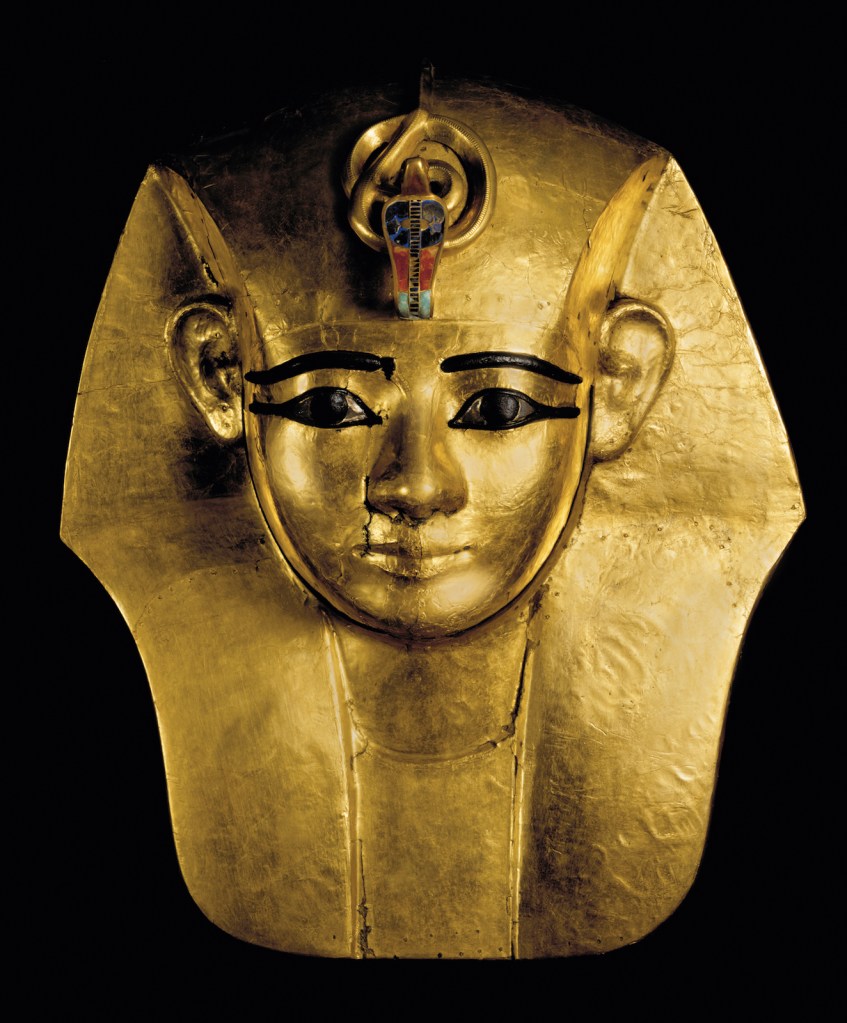
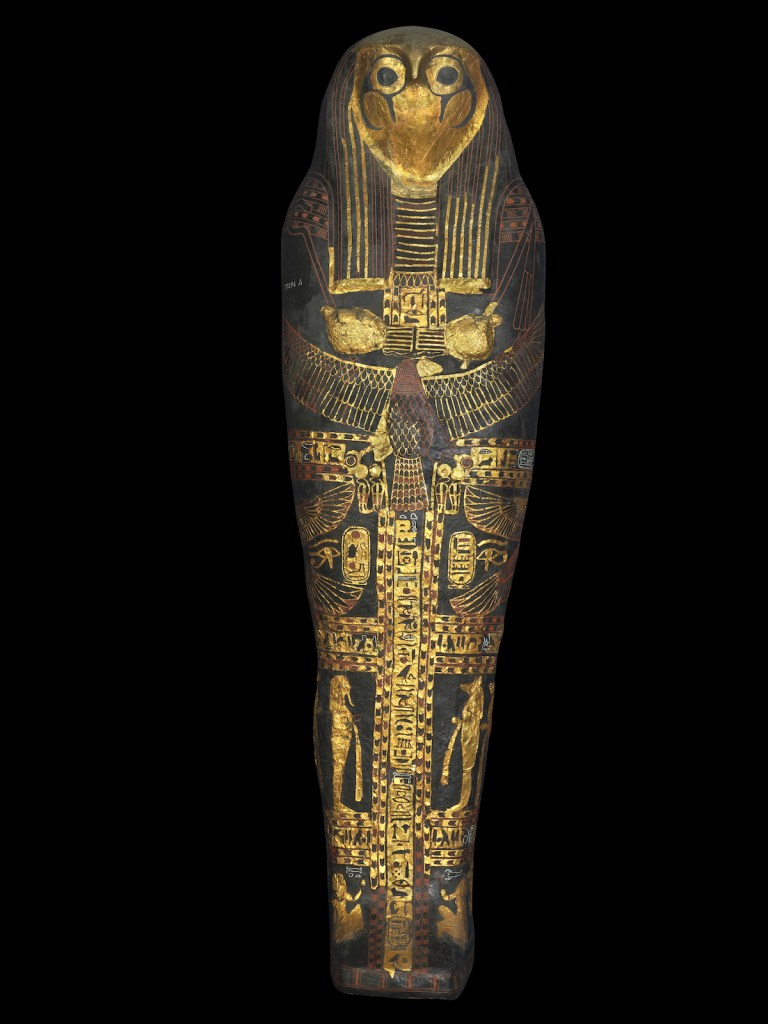
Treasures from the royal tombs of the descendants of Ramses II at the ancient capital of Tanis were discovered by the French Egyptologist Pierre Montet in 1939. Vases, statuettes precious jewelry in precious materials like gold, silver, electrum —a naturally occurring alloy of gold and silver — lapis lazuli, turquoise and the translucent and mysterious chalcedony known for its healing properties and ability to assist people in finding the light, were all part of the treasure. Gold amulets, necklaces, funerary masks and objects in gold are all on display along with massive statues and ritual objects.
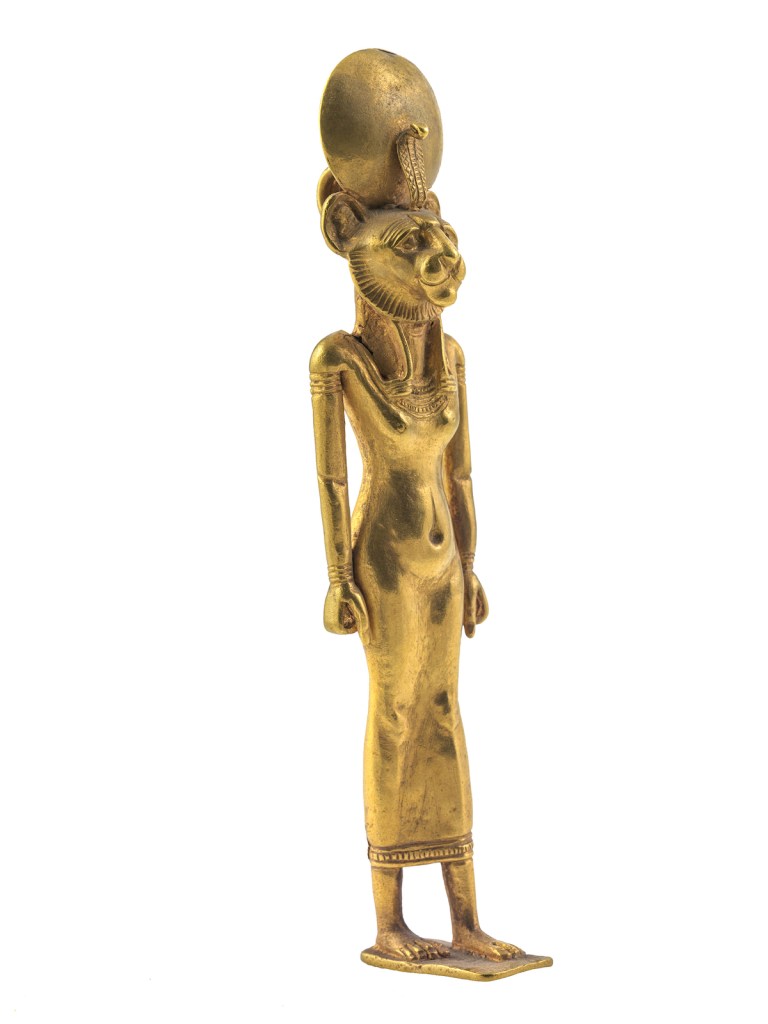

Bastet amulets from the 21st dynasty, circa 1070-945 BC. Bastet or Bast was the goddess of protection and the bringer of good health. She had the head of a cat and body of a slender woman. Cats were important to the ancient Egyptians and were buried with ritualistic honors after death. ©World Heritage Exhibitions. Handout via The Gourmet Gazette
Many of these objects are on display in the exhibition. While the show focuses on Ramses II, his descendants and predecessors figure in as well along with his great enemies, the Hittites, another of the great civilizations of Antiquity. The exhibition is running until September 10th. ©Trish Valicenti for The Gourmet Gazette. 211 Av. Jean Jaurès, 75019 Paris, tel: + 33 (0)1 40 03 77 01. https://en.lavillette.com/

Discover more from The Gourmet Gazette
Subscribe to get the latest posts sent to your email.
Categories: Everything Gourmet, Gourmet Fair, Gourmet Wear
 The Gourmet Gazette