
Paris, France — All agree, the Tour de France, the famous French cycling race that began back in 1903, is one of the great ways to see France during the live television broadcasts which last several hours during the three-week tour. And the Tour de France isn’t only about cycling. It is about heritage sites and biodiversity as well. The Biodiversity Tour of France is now in its 11th year. France Télévisions, which broadcasts the Tour, ASO, the organizers of the Tour de France in association with the National Natural History Museum (Le Muséum national d’histoire naturelle) present exceptional natural sites just before each leg of the race. The brief broadcast lasts for about one minute and 20 seconds and this year viewers can tune into no less than 21 spectacular nature reserves and natural and national parks on the path of the Tour’s 21 legs. They are introduced this year by Alexandre Pasteur the sports commentator who covers the Tour for France Televisions before a local scientist, naturalist or local player in the ecology of the site takes over at the actual site itself. This year the Tour kicked off in Spain in the Basque country neighboring France in the southwest. The exceptional biodiversity and marine species of the spectacular water canyon of Capbreton and Bay of Biscay in the Atlantic Ocean, which is equivalent in size to the Grand Canyon, were showcased. A Spanish fisherman explained the importance of preserving the marine life in the canyon as whales (once a staple of the Basque economy), dolphins and an octopus were seen swimming in this water wilderness.
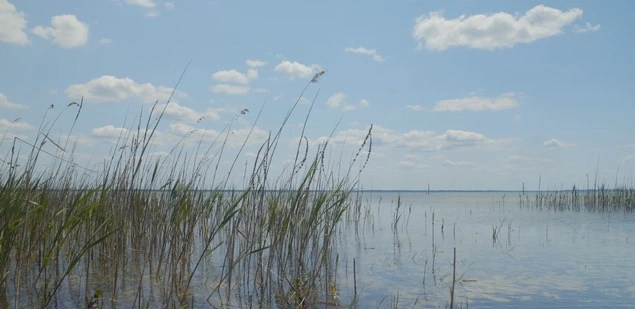
The seventh leg of the Tour will offer a glimpse into the wilds of Bordeaux country as it heads from Mont-de-Marsan, a beautiful medieval city, to the city of Bordeaux. The region is home to an incredible lacustrine, wetland and water dominated, habitat which is somewhat surprisingly located on a base of the French Air Force that trains French and foreign fighter pilots. Cazaux LifeNaturArmy as it is called is part of the European Union’s Natura 2000 network of core breeding and resting sites for rare and endangered species. Here one finds cross-leaved heather and Dorset heather, species which are central to the moors of the Landes region as well as several species of amphibians, the class of animal that is disappearing the fastest from the planet. Meanwhile the eighth leg of the Tour starts out from the southwestern city of Libourne, the wine-making capital of the northern Gironde region, before arriving in Limoges, known for its porcelain and enamel. The biodiversity segment on this leg is devoted to the Perigord- Limousin Regional Natural Park which is home to a host of natural habitats like moors and meadows and brooks and smaller rivers, lakes and pools. A wealth of flora and fauna can be found here including wild-growing orchids, the European otter and the European pine marten.
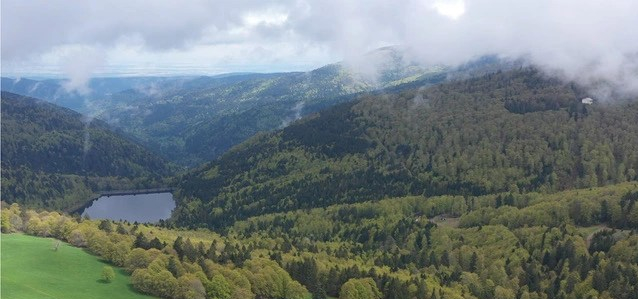
The next to last leg of the Tour, just before the cyclists power their way into Paris and the Champs-Elysées, strides from Belfort, which is technically a territory, and on to Le Markstein Fellering in the Vosges mountains.This leg of the Tour rolls around the Grand Ventron Nature Reserve with its forest and peat lands which provide habitat for myriad species like the peregrine falcon and the eye-catching cranberry fritillary, an endangered butterfly. The biodiversity spots which are produced by the production company Gédéon Programmes are aired on the channels of France Télévisions from July 1 to July 23 but you can also tune in on one of these links: mnhn.fr/TDFbiodiversite20, letour.fr and france.tv/sport . And to find out more about the Natural History Museum: https://www.mnhn.fr/en
See also: https://thegourmetgazette.com/2023/06/27/industrious-insects/
Reporting Sylvain Loire. ©Trish Valicenti for The Gourmet Gazette
Discover more from The Gourmet Gazette
Subscribe to get the latest posts sent to your email.
Categories: Gourmet Fair
 The Gourmet Gazette
1 reply »