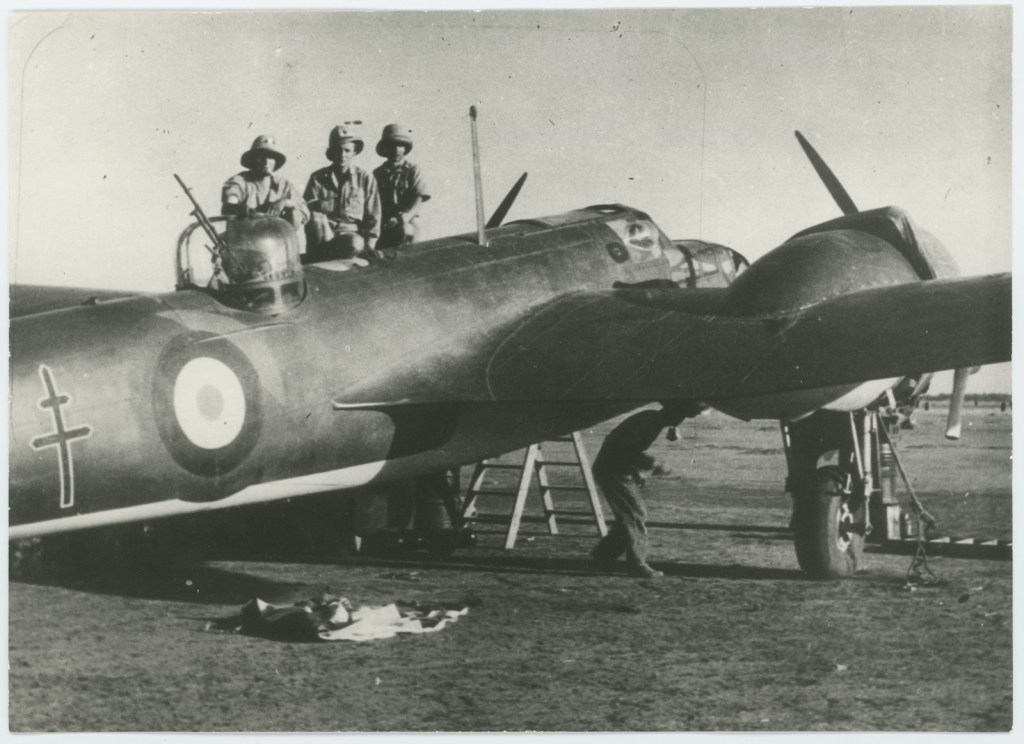
Paris, France — It was 79 years ago that the invasion of Normandy unfolded ultimately bringing an end to World War Ii in Europe. But before the June 1944 landings, the war also had been engaged on another continent in the tough terrain of the African desert where the Free French forces teamed up with British forces touching off the Saharan epic of the war. In August of 1940 when France was in the hands of the Nazis, General Charles de Gaulle sent Philippe Leclerc de Hauteclocque, better known as Leclerc, to equatorial Africa with an exceptional mission: to prove that the Free French did not accept the terms of the Armistice of June 1940 and continued to fight, in Africa, where they would eventually be assisted by British troops and the colonies of French west Africa. This little known chapter of World War II is being played out in an exhibition in Paris at the fascinating Musée de la Libération de Paris – Musée du général Leclerc – Musée Jean Moulin, a museum devoted to the liberation of Paris, the General Leclerc and the great resistant Jean Moulin.
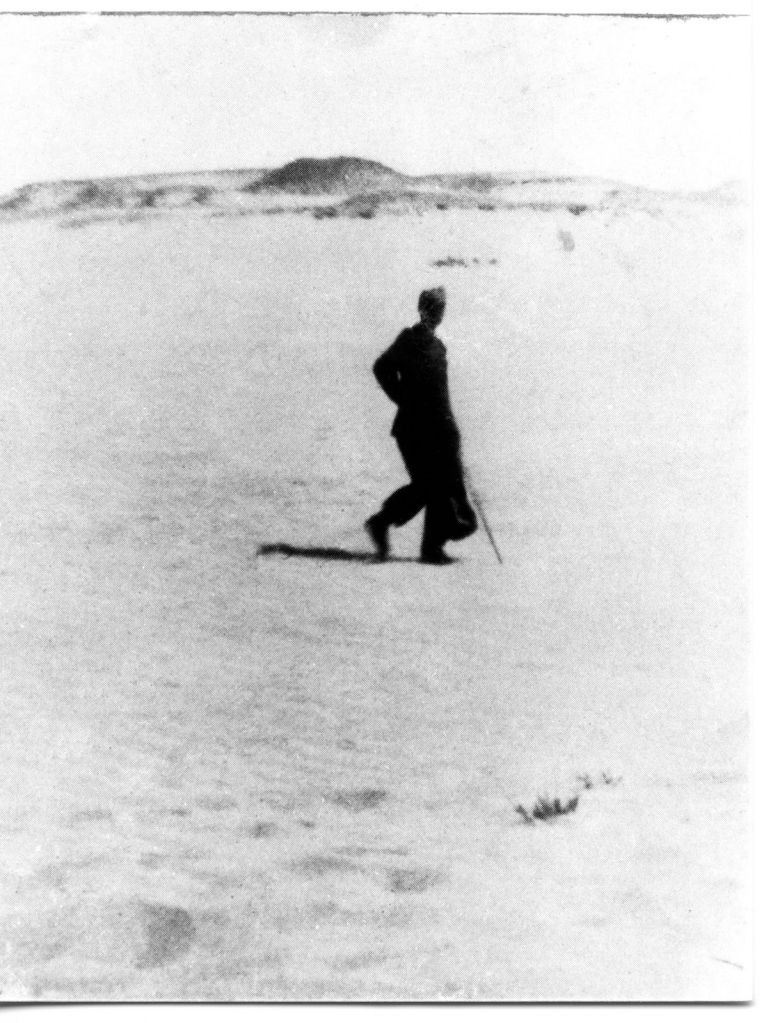
Entitled the Soldiers of the Desert, Leclerc and the British (1940-1943), the show brings together some 50 rarely, at times never seen before, documents, photographs, uniforms, films and equipment and tells the story of the Franco-British collaboration on the African continent confronting the Italian army, the German Expeditionary Force in Africa known as Africa Korps and what was possibly their deadliest enemy, the desert. While the British were fighting the Italians, a small force of the Free French lead by Leclerc arrived in French West Africa. They would benefit from supplies from the British. The exhibition traces the story of this African campaign from Nigeria to Chad, to Libya all the way to Tunisia.
While Charles de Gaulle and Winston Churchill led the strategy from London it was Leclerc and Ralph Bagold, the British desert explorer, geologist and soldier who was a specialist in navigating the desert and the creator of the Long Range Desert Group running operations in the Sahara. Among the exceptional objects on display are equipment and materials used by the Long Range Desert Group on loan from the Imperial War Museum and the National Army Museum in the United Kingdom and interactive exhibitions allowing visitors to understand the difficulties of maneuvering in the harsh conditions of the desert. The permanent collections — which are free — of the Musée de la Libération de Paris – Musée du général Leclerc – Musée Jean Moulin take a look at the story of the Liberation of Paris, the Resistance and it is where the command post of Colonel Rol-Tanguy ,the leader of the French Forces of the Interior, is located. It can also be visited but many stairs must be braved to reach its secret underground location. The temporary exhibition runs until July 16th. ©Trish Valicenti for The Gourmet Gazette. 4, avenue du Colonel Rol Tanguy Place Denfert Rochereau, 75014 Paris, 01 71 28 34 70. museeliberation-leclerc-moulin.paris.fr
Discover more from The Gourmet Gazette
Subscribe to get the latest posts sent to your email.
Categories: Gourmet Fair
 The Gourmet Gazette